


A conservatory in January is a glass box surrounded by cold air, with a roof facing straight at the night sky. It loses heat through every surface at once, which is why so many sit unused from October to April with a radiator quietly failing to make a difference.
The order matters more than the equipment. Stop the heat escaping first, then add a heat source sized for what is left. Doing it the other way round is how people end up with an expensive heater and a room that is still cold.
Understand Where the Heat Actually Goes

Glass is a poor insulator compared with a cavity wall, and a conservatory is mostly glass. The roof is the worst offender because it faces the sky, which is effectively the coldest surface available on a clear night.
After the roof come the frames themselves, then gaps around opening windows and doors, then the floor if it sits on an uninsulated slab. Every one of those is cheaper to address than it is to overcome with heating.
The wider guide is our conservatory ideas for UK homes.
Blinds Are the Cheapest Real Improvement
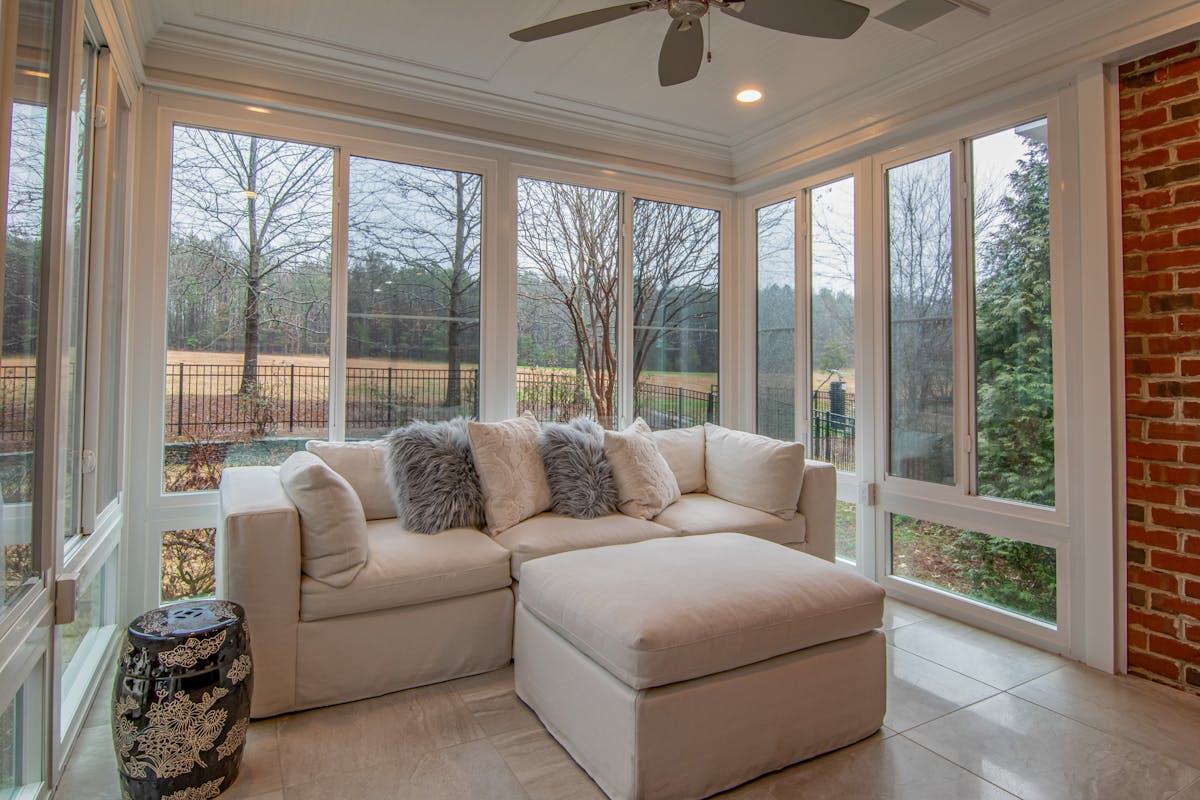
Roof blinds are bought to keep summer heat out and are just as valuable in winter, when closing them traps a layer of still air against the glass.
Cellular or honeycomb blinds do this best because the fabric itself is full of sealed air cells. Closing roof and side blinds at dusk, every day, is the single highest-value habit for a cold conservatory, and it costs nothing once they are fitted.
If remembering is the problem, blinds on a timer or a smart switch will do it automatically, which is the strongest practical argument for motorising them.
Draught-Proofing Before Heating
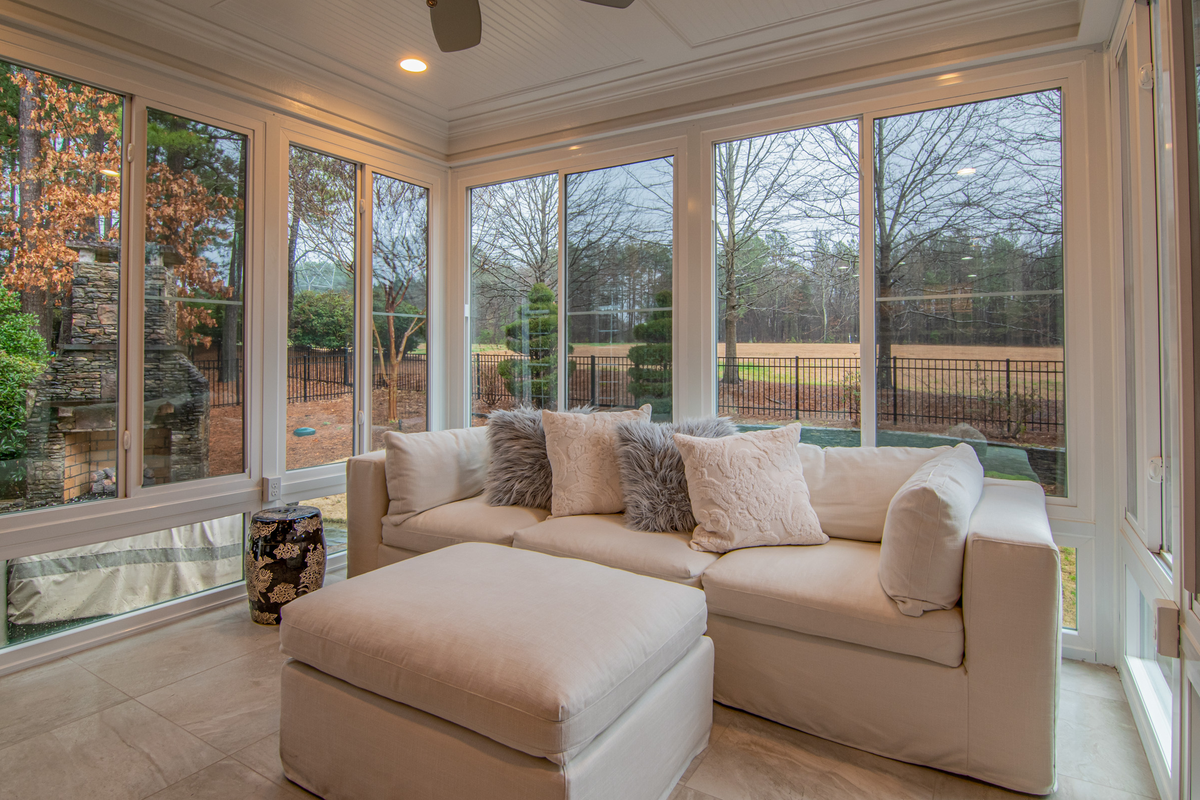
Most conservatories leak air, and moving cold air feels far colder than still cold air.
- Check the threshold of the garden door. This is the most common gap and the easiest to fix with a brush strip.
- Check trickle vents. They are there for a reason, but a stuck-open vent in December is a permanent hole.
- Run a hand around the frame junctions on a windy day. Failed sealant is common on conservatories over about fifteen years old.
- Check where the conservatory meets the house wall, which is where settlement opens gaps.
- Close the doors to the house. Many conservatories are exempt from building regulations precisely because they are separated, and leaving those doors open drags heat out of the whole house.
Heating Options That Suit a Glass Room
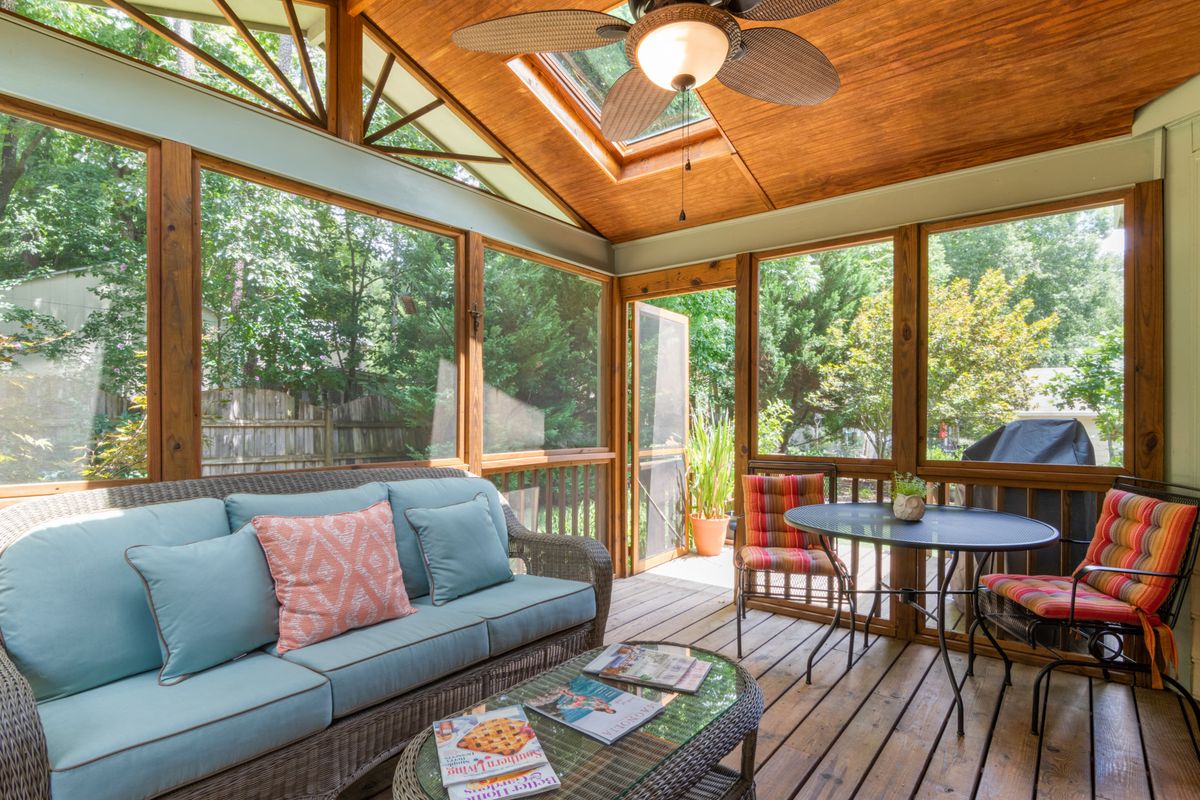
Because many conservatories must have independent heating controls under the exemption they were built with, extending the central heating is often not an option even where it would be convenient.
- Electric underfloor heating is the most comfortable, because it warms the coldest surface in the room and leaves the walls free. Best fitted when the floor is being replaced.
- Electric radiators with a thermostat and timer are the simplest retrofit and the easiest to control room by room.
- An air-source heat pump unit, the sort that also cools, is increasingly the sensible choice because it solves July as well as January.
- Infrared panels heat objects and people rather than the air, which suits a room that loses warm air quickly.
- Portable gas heaters are best avoided. They release a great deal of moisture, and a glass room is already prone to condensation.
The Roof Is the Long-Term Answer
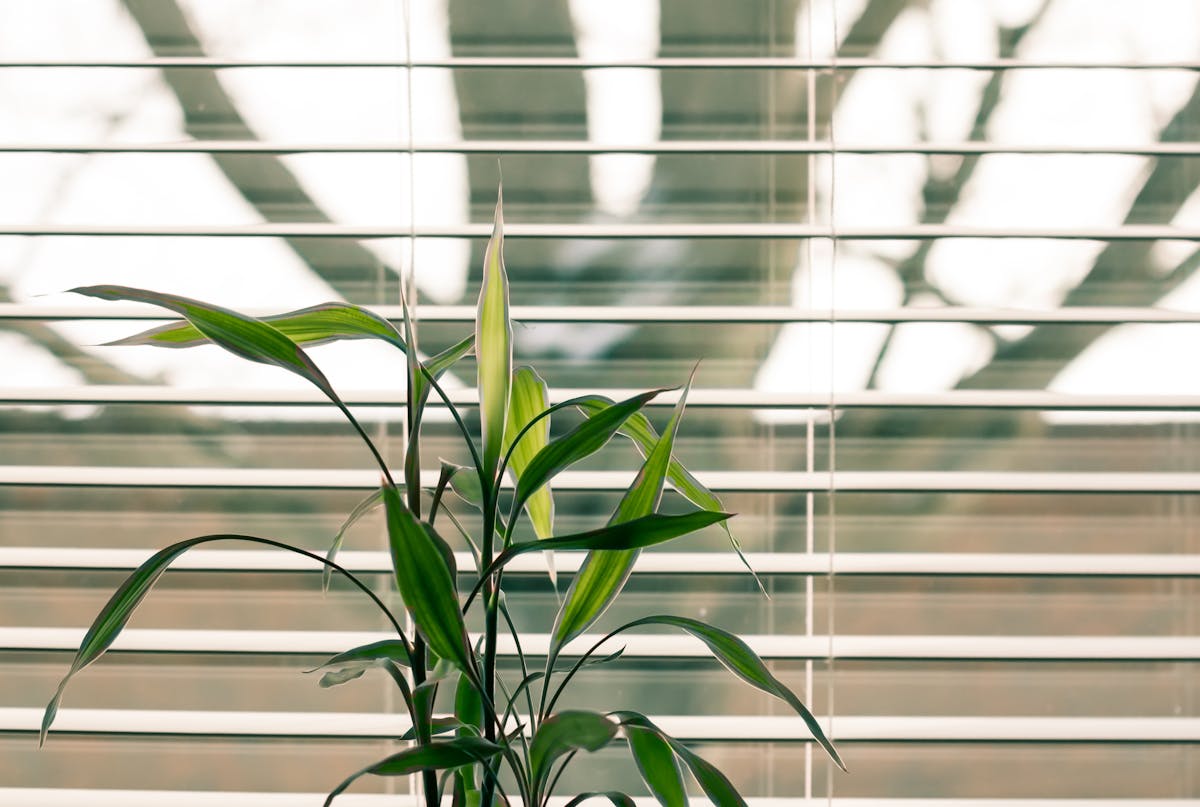
Everything above is a way of managing a fundamentally leaky room. If the conservatory is genuinely unusable for half the year, the roof is usually why.
Replacing an old polycarbonate roof with modern insulated glass makes a substantial difference while keeping the light. A solid or tiled roof, typically with roof lights, turns the space into something close to a normal extension thermally.
That is building work, and it can change the room’s status under building regulations, so it needs proper advice and possibly approval. It is also the only change that permanently fixes the problem rather than managing it.
Condensation, the Other Winter Problem
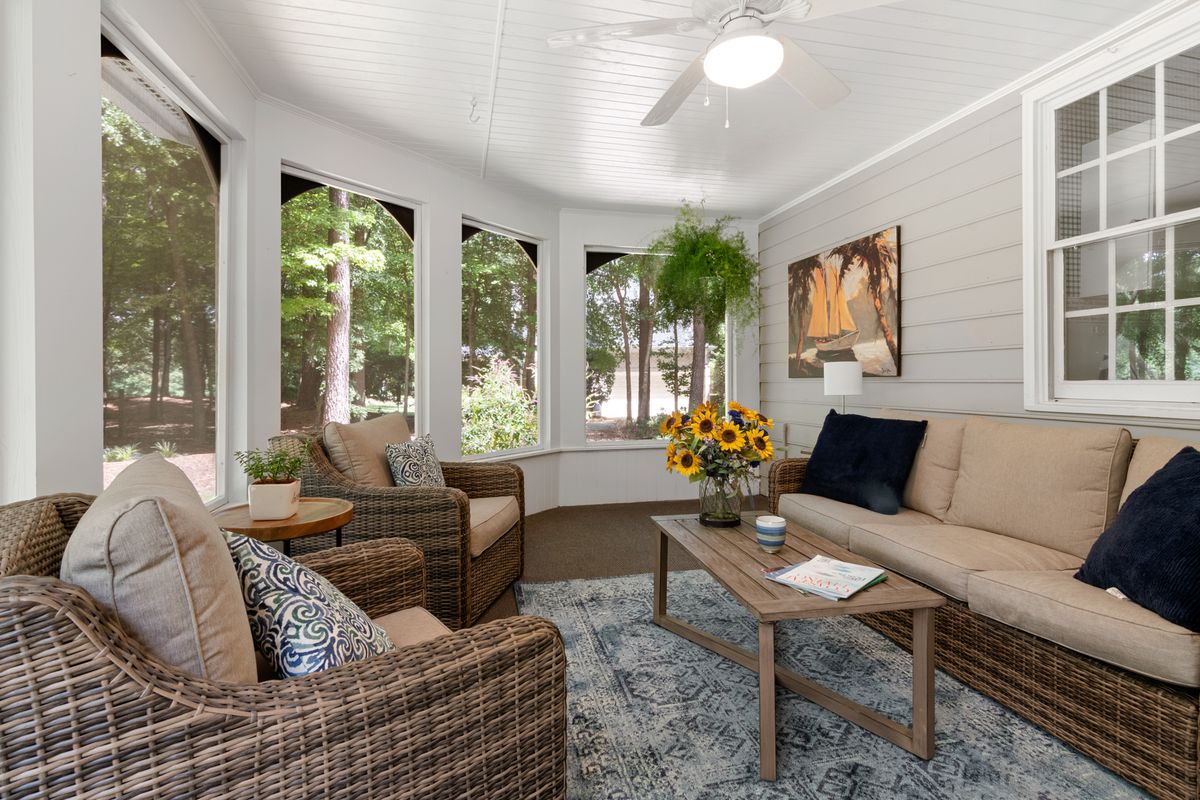
Cold glass plus warm moist air produces condensation, and a conservatory has more cold glass than anywhere else in the house.
The cure is ventilation and warmth together rather than either alone. Heating a conservatory and sealing it completely will simply move the moisture onto the glass. Trickle vents or a brief daily airing let humid air out.
Keep plants and drying laundry out of an unheated conservatory in winter. Both release a surprising amount of moisture, and laundry in particular is a common reason for streaming windows and eventually mould on the frames.
Soft Furnishings Do Real Work
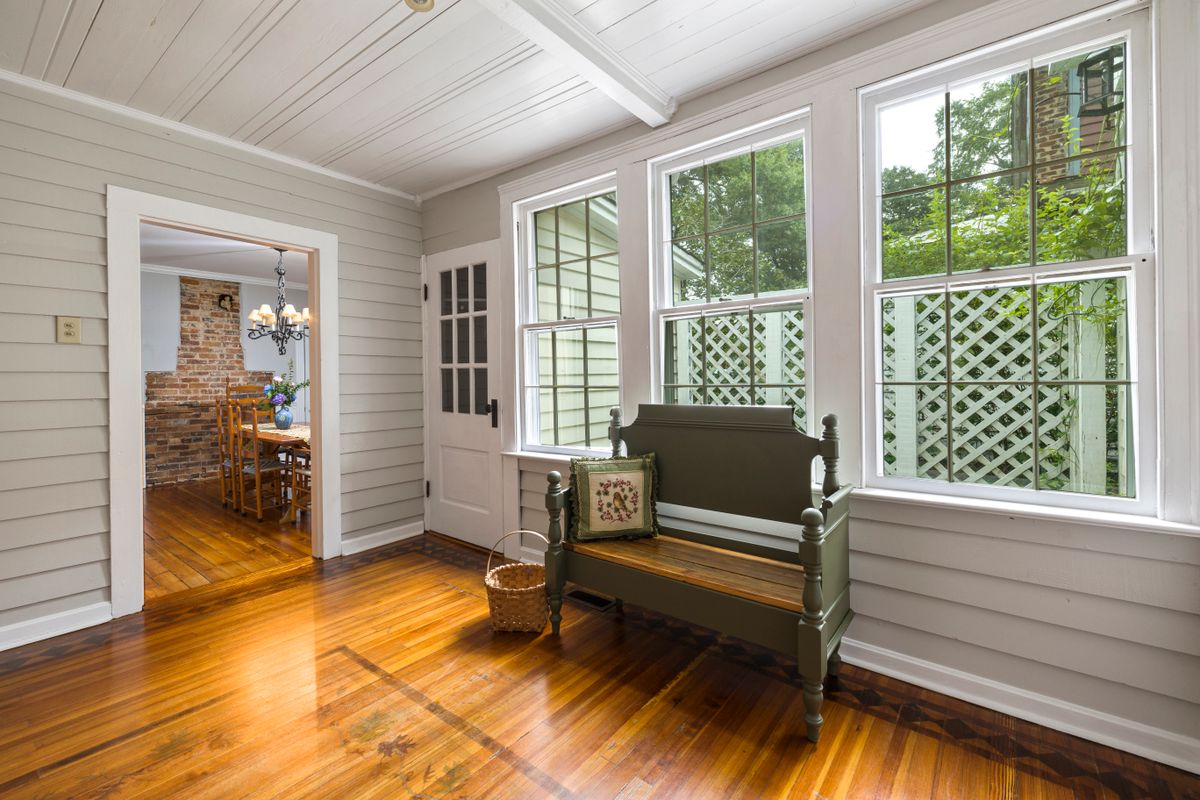
A room can be the same temperature and feel completely different depending on what is in it.
A rug over a cold hard floor removes the surface that makes people feel cold first. Heavy curtains over the doors, where the layout allows, add another layer beyond the blinds. Throws and heavier cushions in winter cost nothing and change how willing anyone is to sit down.
None of it reduces heat loss much. All of it changes whether the room gets used, which is the actual objective.
Running Costs and Being Realistic
Electric heating is expensive per unit compared with gas, and a conservatory is the least efficient room to heat. That combination is why the cost of running one matters more than the cost of fitting the heater.
The practical approach is zoned and timed rather than constant. Heat the room for the hours it is used, keep the doors to the house closed, and let it drop back the rest of the time. A thermostat with a timer pays for itself quickly.
Be honest about the target too. A conservatory that reaches eighteen degrees for the evening is a usable room; one held at twenty-one all day in December is an expensive hobby.
A Sensible Order of Spending
- Close the doors to the house and draught-proof the obvious gaps. Costs almost nothing.
- Fit or start using roof and side blinds, and close them at dusk.
- Add a rug, curtains and winter textiles.
- Fit a thermostatically controlled heat source sized for the room.
- If the room is still unusable, look at the roof.
- Working down that list stops most people spending on step four before doing steps one to three, which is the most common and most expensive mistake.
Final Thoughts
Stop the heat leaving before you pay to make more of it. Draught-proofing, closing the doors and closing the blinds at dusk cost almost nothing and change the room noticeably.
Then add heating that is thermostatically controlled and sized for the space, and accept that a glass room in a British January is a room you heat when you use it rather than one you keep warm all day.
Frequently Asked Questions
Why is my conservatory so cold in winter?
It loses heat through every surface, worst of all the roof, which faces the night sky. Gaps around frames and an uninsulated floor make it worse.
What is the cheapest way to warm a conservatory?
Draught-proof the gaps, close the doors to the house and close the blinds at dusk. Those cost almost nothing and should come before buying any heater.
What heating is best for a conservatory?
Electric underfloor heating is the most comfortable, and an air-source heat pump unit also cools in summer. Avoid portable gas heaters, which add moisture.
Do blinds keep a conservatory warm?
Yes, if closed at dusk. They trap a layer of still air against the glass, and cellular blinds do this best because the fabric itself contains sealed cells.
How do I stop condensation in a conservatory?
Combine warmth with ventilation. Sealing a heated conservatory completely just moves moisture onto the glass. Keep drying laundry out of the room.
Should I replace my polycarbonate conservatory roof?
If the room is unusable for half the year, the roof is usually the reason. Insulated glass or a solid roof with roof lights makes the biggest difference.
Disclaimer
This article is for general information only. Product specifications and building regulations vary by property and change over time. Check current guidance and manufacturer instructions before making changes.