
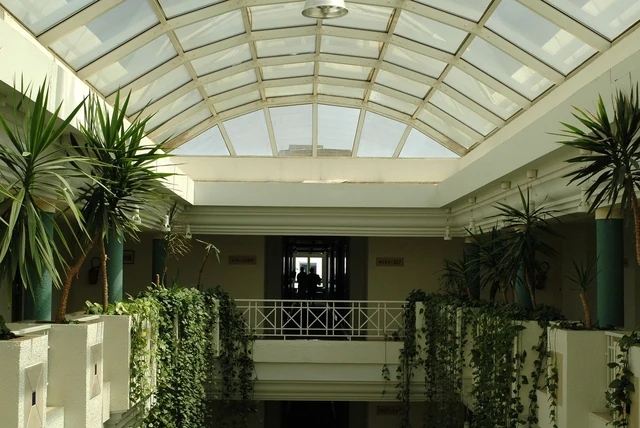

The roof decides almost everything about how a conservatory behaves. It governs how hot the room gets in July, how much heat it loses in January, how loud it is in rain, and how much daylight reaches the rest of the house.
It is also the most expensive part to change, which is why it is worth understanding the options properly before spending anything on heaters, blinds or furniture that a roof replacement might make unnecessary.
Polycarbonate: What Most Older Conservatories Have
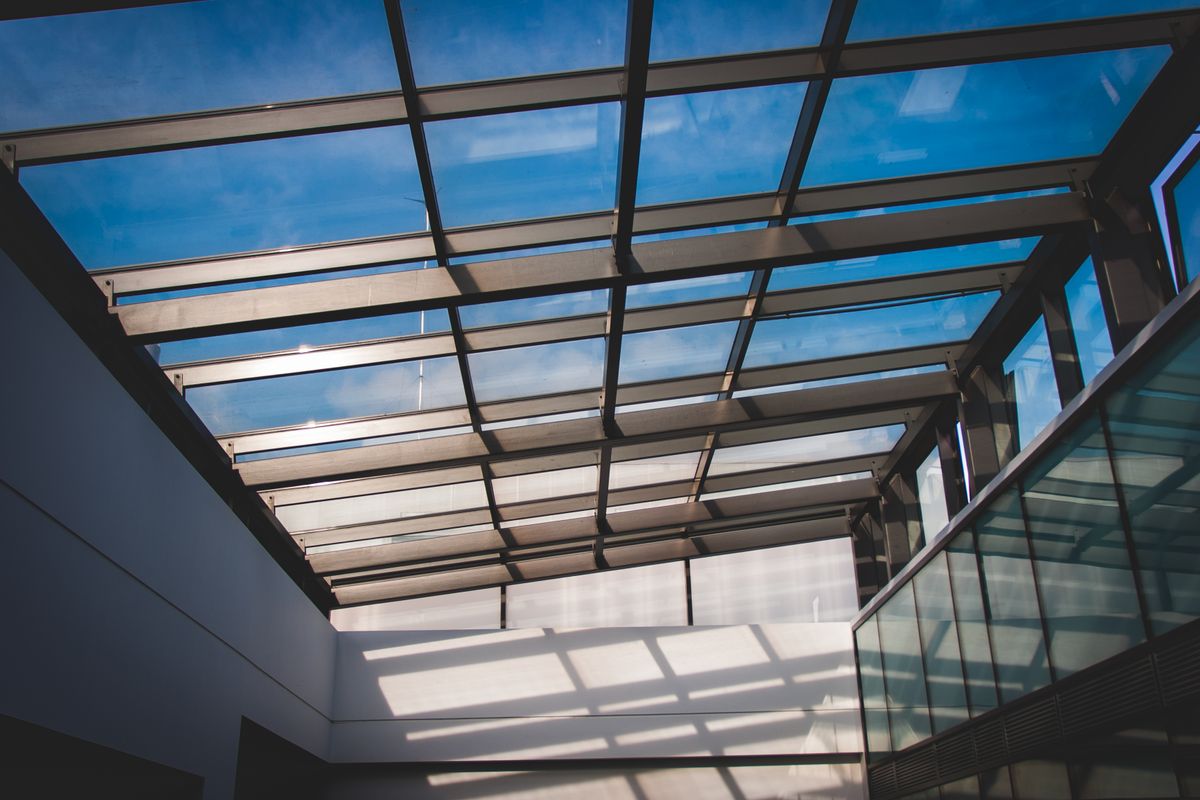
If your conservatory dates from the boom years and has never been touched, the roof is almost certainly multiwall polycarbonate.
It was chosen because it is cheap, light and easy to install, and it does let a lot of light through. Its failings are the reason so many conservatories are unused: poor insulation, significant solar gain in summer, and noise in rain that makes conversation difficult.
It also ages badly. Older panels yellow, algae collects in the flutes, and the sealing tapes at the ends fail, which lets in water and dirt.
The wider guide is our conservatory ideas for UK homes.
Modern Glass Roofs

A glass roof with a solar-control coating is the upgrade that keeps a conservatory feeling like a conservatory.
Modern units reflect a good proportion of solar heat while letting visible light through, and self-cleaning coatings use rain to keep the outer face reasonably clear, which matters on a pitch you cannot easily reach. Insulation is far better than polycarbonate, and rain noise is dramatically reduced.
It is heavier, so the existing frame and base must be able to carry it. That is a structural question for a professional rather than an assumption, particularly on an older conservatory.
Solid and Tiled Roofs
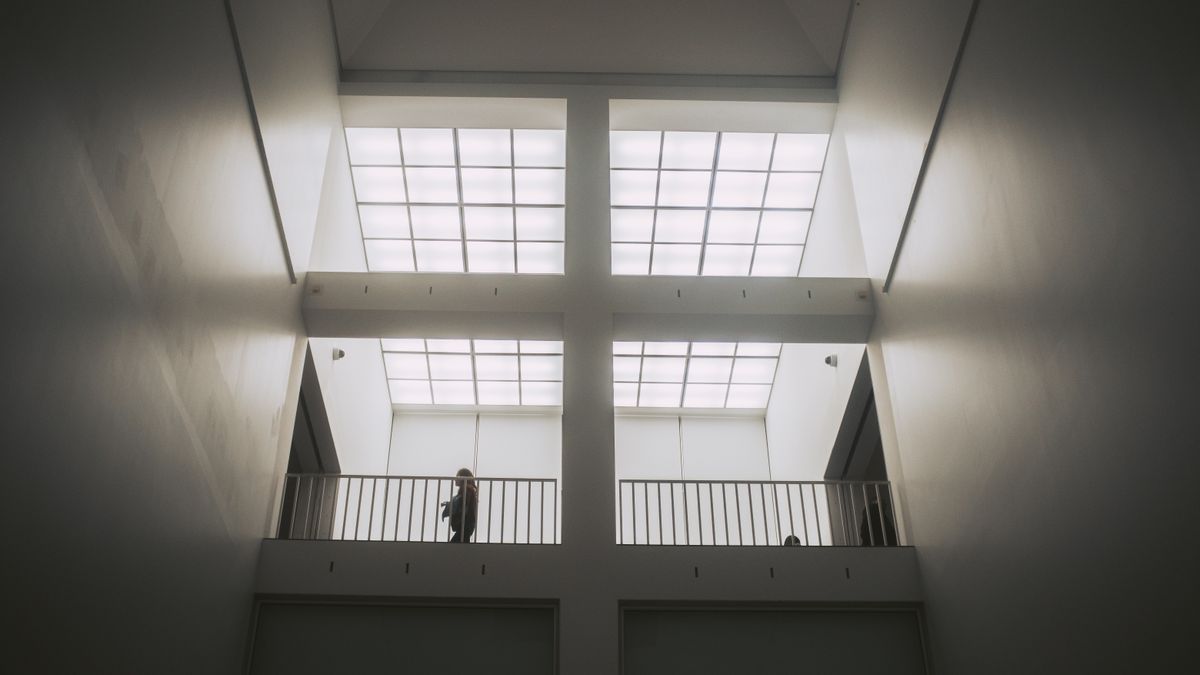
A solid roof turns a conservatory into something much closer to a proper extension: insulated, quiet, warm in winter and cool in summer.
The trade-off is daylight, both in the conservatory and in the room behind it, which has often relied on borrowed light for years. Fitting roof lights or a lantern recovers a good deal of that and is worth doing in almost every case.
This is real building work. It changes the weight on the structure, it usually takes the room outside the building regulations exemption it was built under, and it may need approval. Treat any supplier who says otherwise with caution.
The Hybrid: Solid With Roof Lights
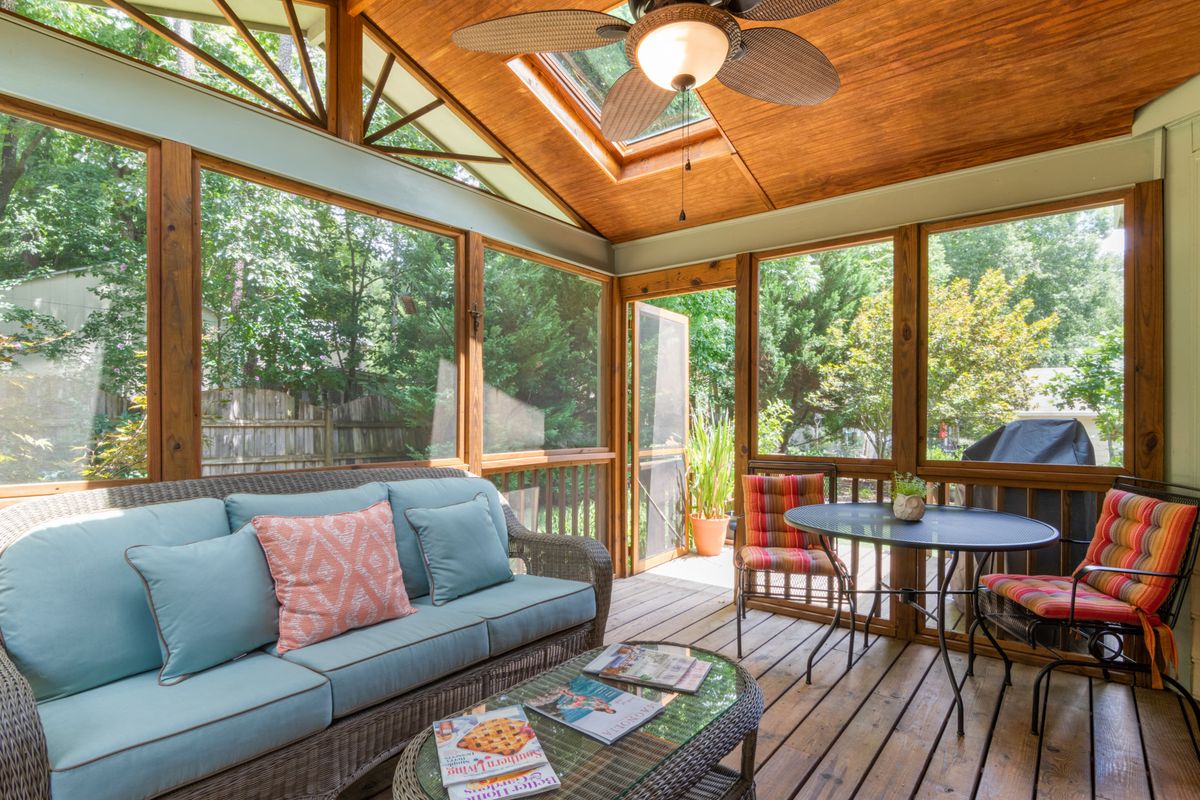
For most UK homes this is the sweet spot, and it is what people who have already replaced a roof most often recommend.
An insulated solid roof with two or three roof lights, or a central lantern, behaves thermally like a ceiling while keeping a strong sense of overhead sky. The room becomes usable year round without turning into a windowless box.
The proportion matters. Too little glazing and it feels like a garage; too much and you lose the thermal benefit that justified the work.
Noise, Which People Underestimate
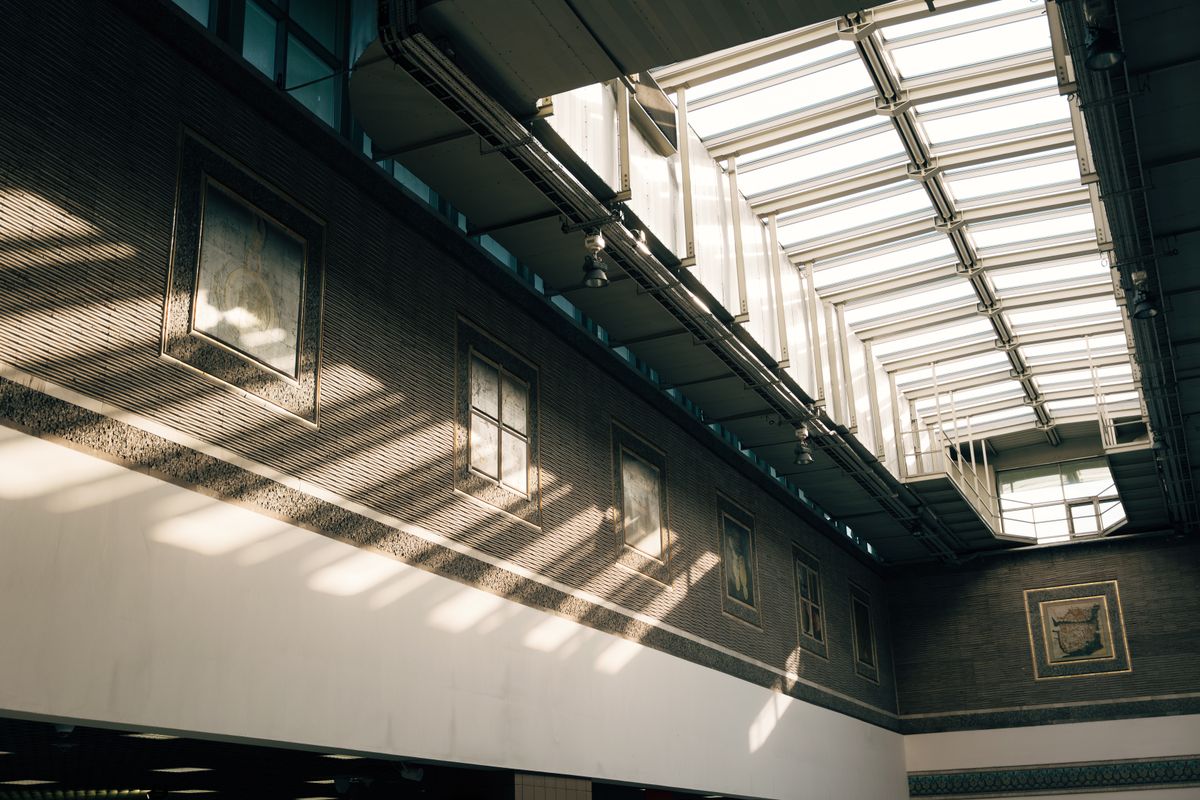
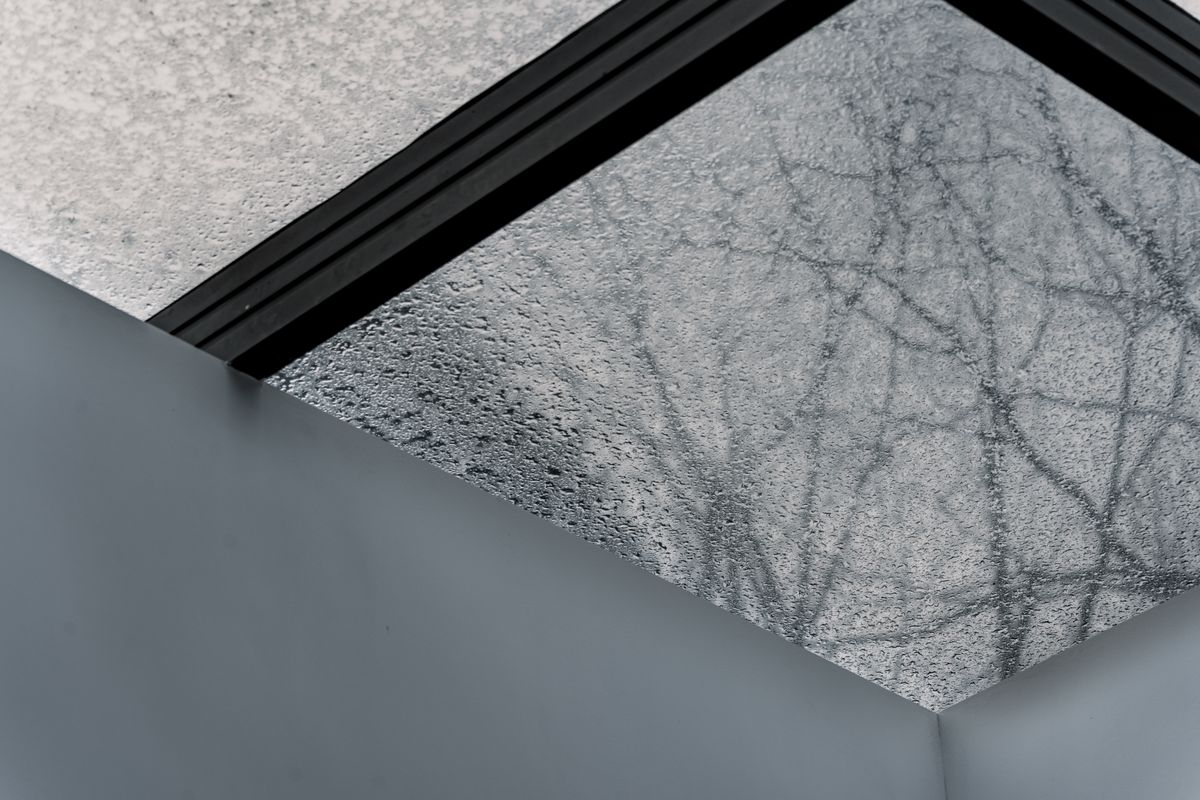
Rain on polycarbonate is loud enough to stop conversation, and in Britain that is not an occasional problem.
Glass is considerably quieter, and a solid insulated roof is quieter still, to the point where it sounds like the rest of the house. If the conservatory is used as an office or a room for watching television, noise alone can justify the change.
Hail and heavy rain are the tests, not drizzle. Ask anyone quoting how their system performs in a downpour and, if you can, visit an installation.
Light in the Room Behind
The conservatory is not the only room affected. In many houses the kitchen or living room behind it has relied on light coming through the conservatory for years.
Putting a solid roof on without roof lights can make that room noticeably darker, and it is the complaint that comes up most often after the work is done. It is easy to plan for and almost impossible to fix afterwards.
Stand in the adjoining room at different times of day before deciding, and think about where the roof lights need to sit to keep that light coming.
Building Regulations and Structure
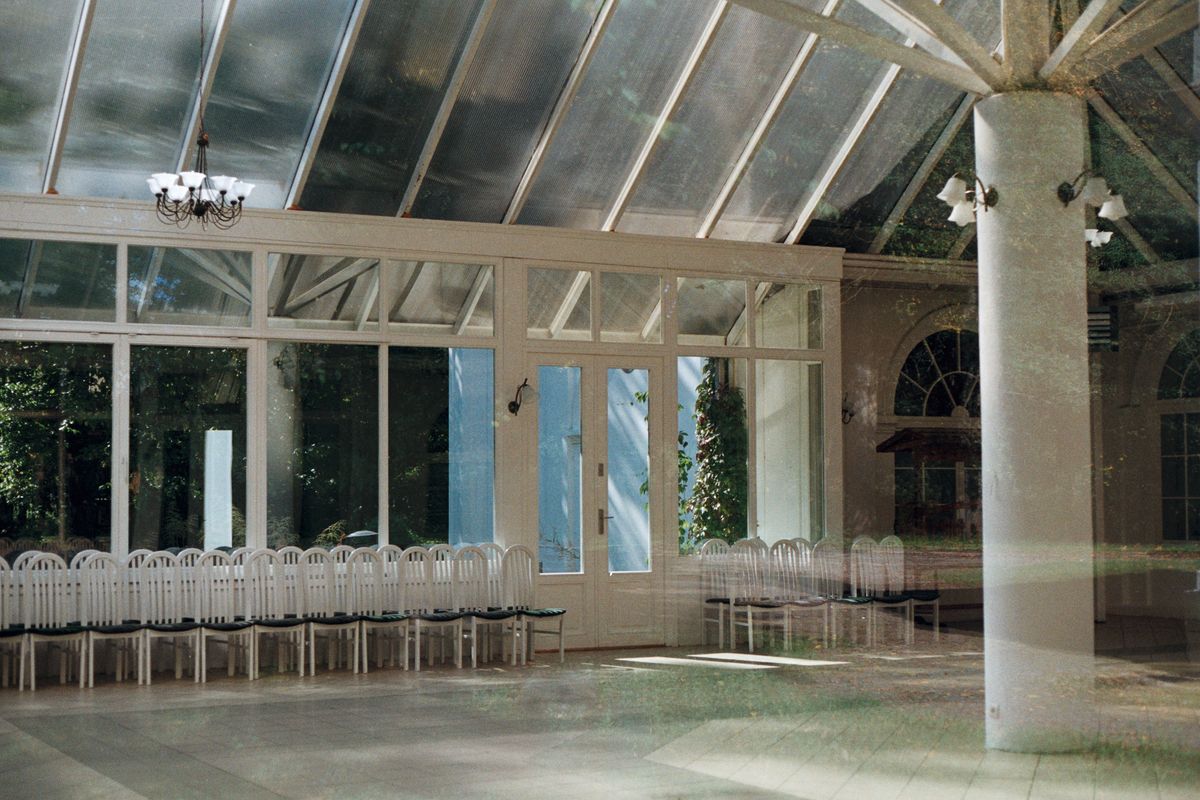
Replacing a conservatory roof is not the same as replacing a few panels, and the rules matter.
- The new roof will usually be heavier than what it replaces. The frame and base must be assessed by someone qualified.
- Changing to a solid roof commonly takes the room outside the exemption under which it was built, which can bring insulation and glazing requirements into play.
- Requirements differ across England, Wales, Scotland and Northern Ireland, and additional rules apply in conservation areas and listed buildings.
- Ask for written confirmation of what approvals the supplier is obtaining, and keep the paperwork. It will be asked for when you sell.
Cost and How to Compare Quotes
Roof replacement quotes vary enormously, and most of the variation is scope rather than product.
Check whether each quote includes removing and disposing of the old roof, any structural strengthening, new guttering, making good internally, and the building control application if one is needed. A quote that excludes half of that will look cheaper and will not be.
Ask what happens if the frame is found to be inadequate once the old roof comes off, because that is the most common mid-job surprise and you want the answer in writing beforehand.
Repair Before Replacement
Not every tired roof needs replacing. Plenty of polycarbonate roofs leak because of failed sealing tape at the panel ends or perished gaskets in the glazing bars, both of which are repairable at a fraction of the cost.
Algae inside the flutes is unsightly and does not affect performance. Yellowing does, because it cuts light, and that is a genuine reason to replace.
If the frame and base are sound and the only problem is heat and glare, fitting roof blinds may buy several comfortable years for a small fraction of the price of a new roof.
Final Thoughts
If the conservatory is unusable for half the year, the roof is nearly always the reason, and a solid roof with roof lights is the option most people end up happiest with.
Before committing, check the structure can take the weight, plan where the light for the room behind will come from, and get quotes that all cover the same scope. If the frame is sound and the problem is only heat, try roof blinds first.
Frequently Asked Questions
Can I replace a polycarbonate conservatory roof with glass?
Usually yes, but glass is heavier. The existing frame and base must be assessed by a professional before the work is specified.
Is a solid conservatory roof worth it?
It makes the room usable year round and much quieter. The trade-off is daylight, so fit roof lights or a lantern to keep light reaching the room behind.
Do I need building regulations approval for a new conservatory roof?
Often yes, particularly for a solid roof, which usually takes the room outside its original exemption. Rules also differ across the UK nations.
Why is my conservatory so loud in the rain?
Multiwall polycarbonate transmits impact noise. Glass is considerably quieter and an insulated solid roof is quieter again.
Will a solid roof make my kitchen darker?
It can, if the kitchen borrows light through the conservatory. Plan roof lights for that specifically, as it is hard to correct afterwards.
Can a leaking conservatory roof be repaired?
Often. Leaks are commonly failed end tapes or perished glazing bar gaskets, both repairable. Yellowing panels that cut light are a better reason to replace.
Disclaimer
This article is for general information only. Product specifications and building regulations vary by property and change over time. Check current guidance and manufacturer instructions before making changes.