
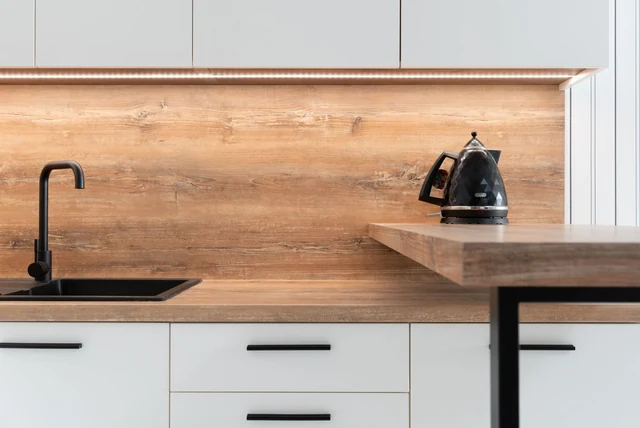

Laminate has a reputation as the thing you put up with until you can afford stone, and that reputation is about fifteen years out of date. Modern laminate is convincing enough that most people cannot identify it in a photograph, and it does several things stone cannot. What it does not do is forgive bad fitting. Almost every laminate worktops UK horror story comes down to the same failure, in the same place, and it is entirely preventable.
| What it is | Resin-infused paper layers pressed onto a chipboard or MDF core |
|---|---|
| HPL | High pressure laminate, the standard kitchen worktop material |
| Compact laminate | Solid laminate with no chipboard core; thinner and far more water-resistant |
| Postformed edge | Laminate wraps over the front, giving a built-in drip seal |
| Realistic lifespan | 10-20 years if the cut edges are properly sealed |
| Fatal weakness | Unsealed chipboard at the sink cut-out |
| Not repairable | Scratches, burns and swelling cannot be sanded out |
What Laminate Actually Is
What Laminate Actually Is
Image source: pexels.com
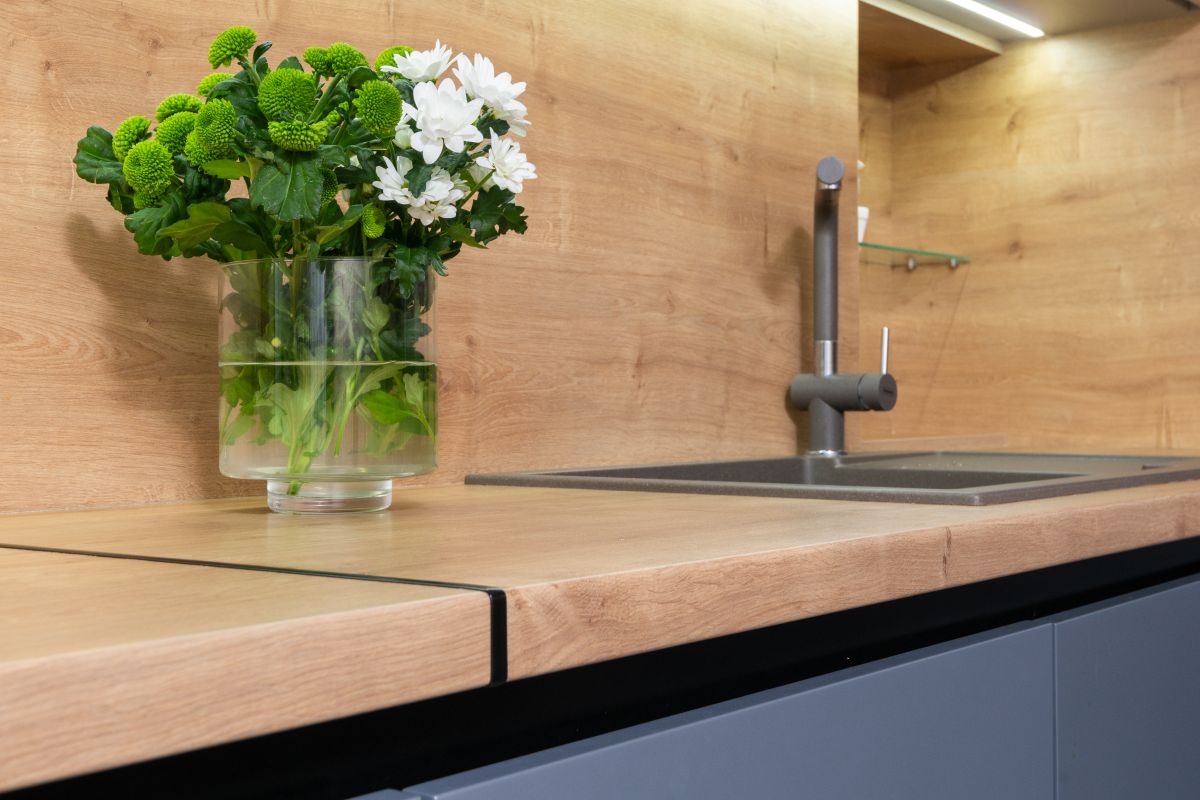
A laminate worktop is not a solid material. It is a core, almost always chipboard or MDF, with a thin decorative surface bonded to the top. That surface is high pressure laminate, or HPL, made from layers of resin-infused paper compressed together, and it is genuinely tough. The core is the vulnerable part. Understanding that division explains everything else about how laminate behaves: the top surface resists daily wear well, and the moment water reaches the core through an unsealed edge, the worktop is finished. Everything below follows from those two facts.
The Sink Cut-Out Is Where They Die
The Sink Cut-Out Is Where They Die
Image source: pexels.com
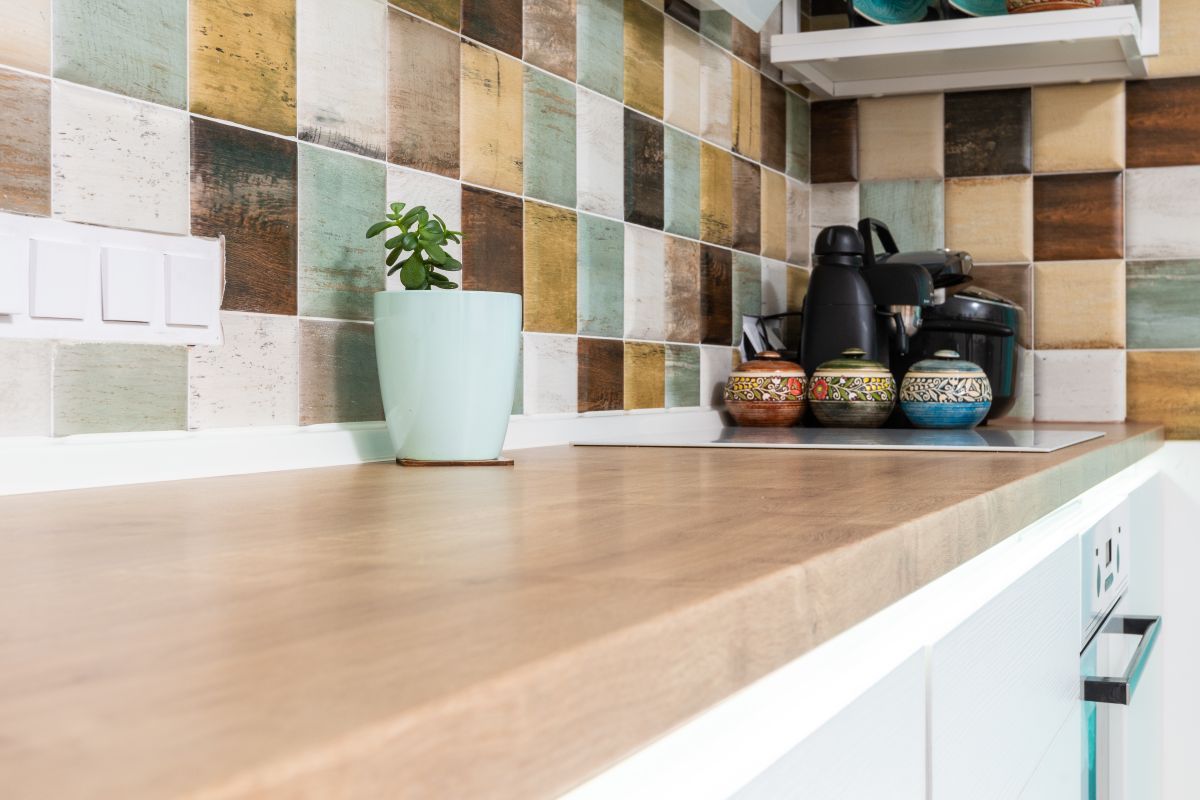
This is the single most important thing in this article. When a fitter cuts a hole for the sink or the hob, that cut exposes raw chipboard around the entire opening. If those edges are not sealed, water works its way in over months, the core swells, the laminate lifts away from it, and the section is scrap. It cannot be repaired or sanded back. A worktop can look flawless on the day of handover and fail within a year for exactly this reason, which is why the failure feels so unfair to the people it happens to. Ask directly whether the cut edges will be sealed, and check afterwards.
Postformed or Square Edge
Postformed or Square Edge
Image source: pexels.com
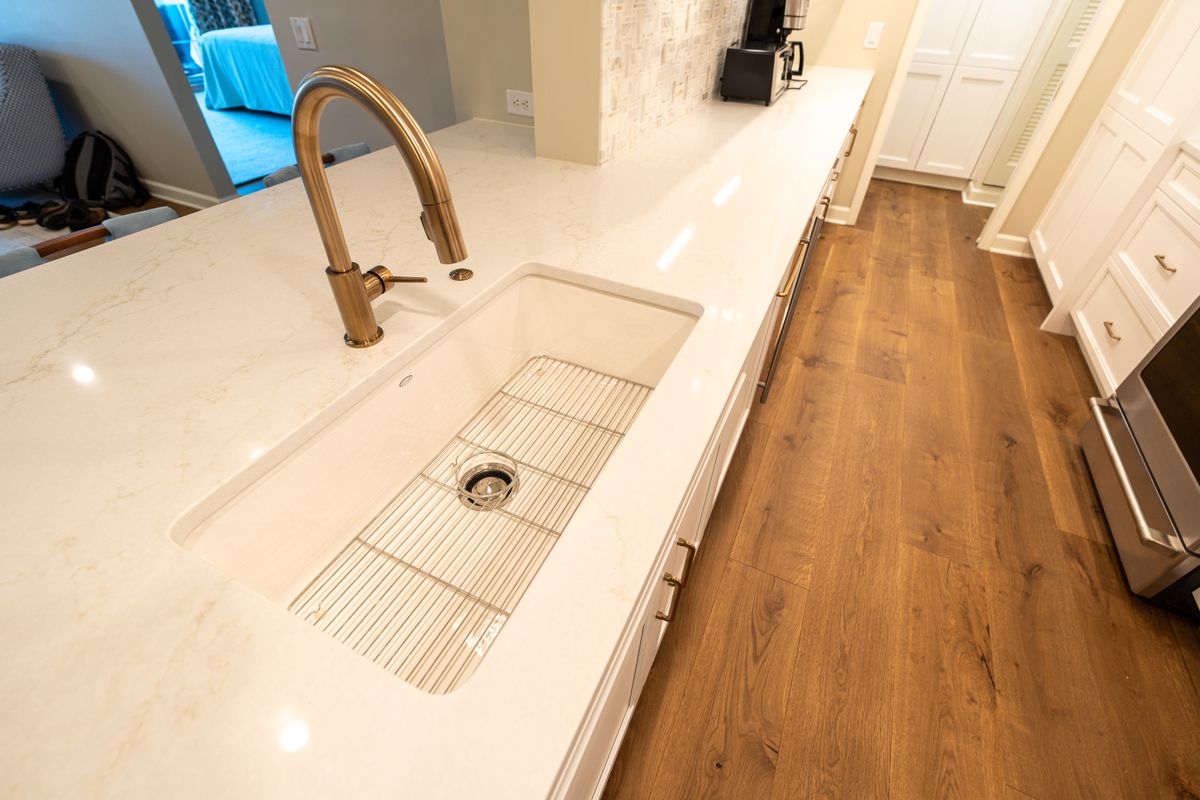
Postformed means the laminate wraps continuously over the top and around the front edge in one curve, rather than stopping at a square corner with a separate edging strip. That rounded front is not only a styling choice: it creates a built-in drip seal, so water running off the front edge cannot find a join. Square-edge laminate looks sharper and more contemporary, closer to stone, but it relies on the edge strip and its adhesive staying intact. In a busy family kitchen, particularly one with children, postformed is the more forgiving choice and the one that tends to still look right in ten years.
Compact Laminate Is a Different Product
Compact Laminate Is a Different Product
Image source: pexels.com
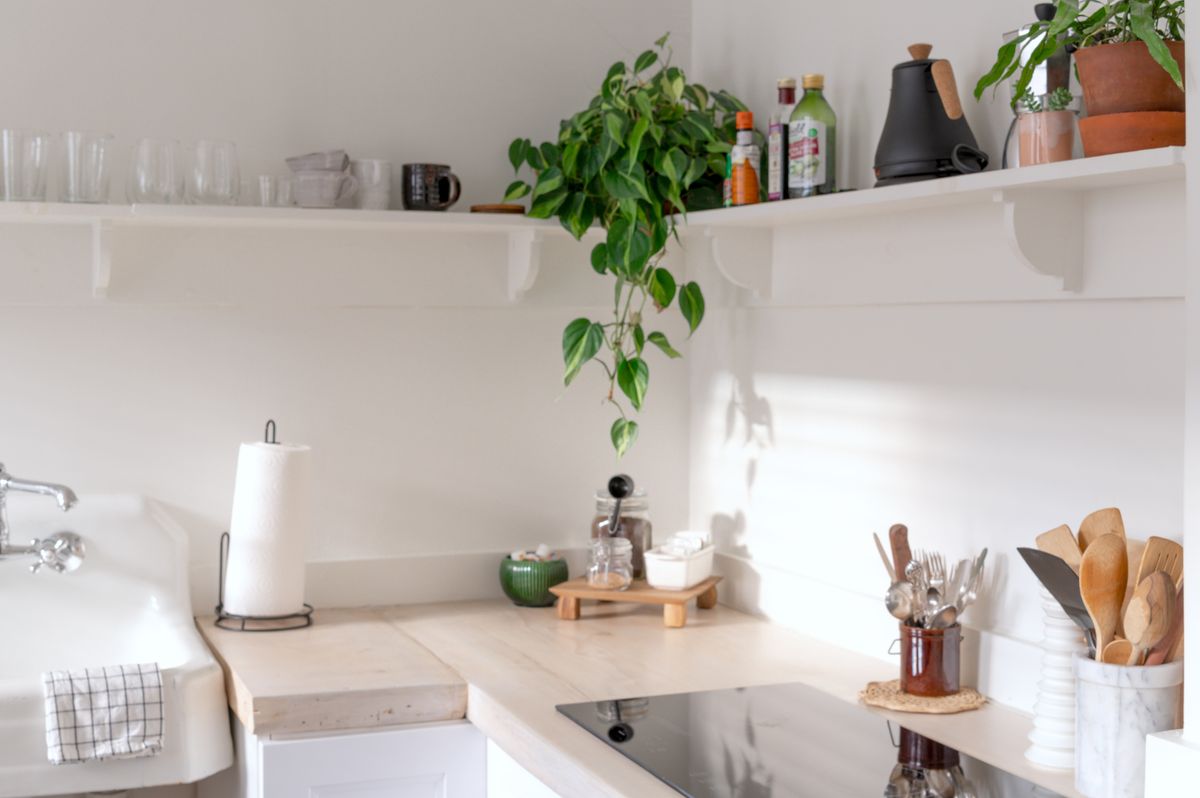
Worth knowing before you shop, because the names are confusingly similar. Compact laminate is solid laminate the whole way through, with no chipboard core at all. That removes the swelling failure mode entirely and allows a much thinner profile, typically slim enough to read as a contemporary stone worktop rather than a budget one. It costs considerably more than standard laminate and sits closer to the entry-level stone bracket. If the sink area is what worries you, or if you want the thin modern profile, compact is worth pricing before dismissing laminate as the cheap option.
How Long They Actually Last
How Long They Actually Last
Image source: pexels.com
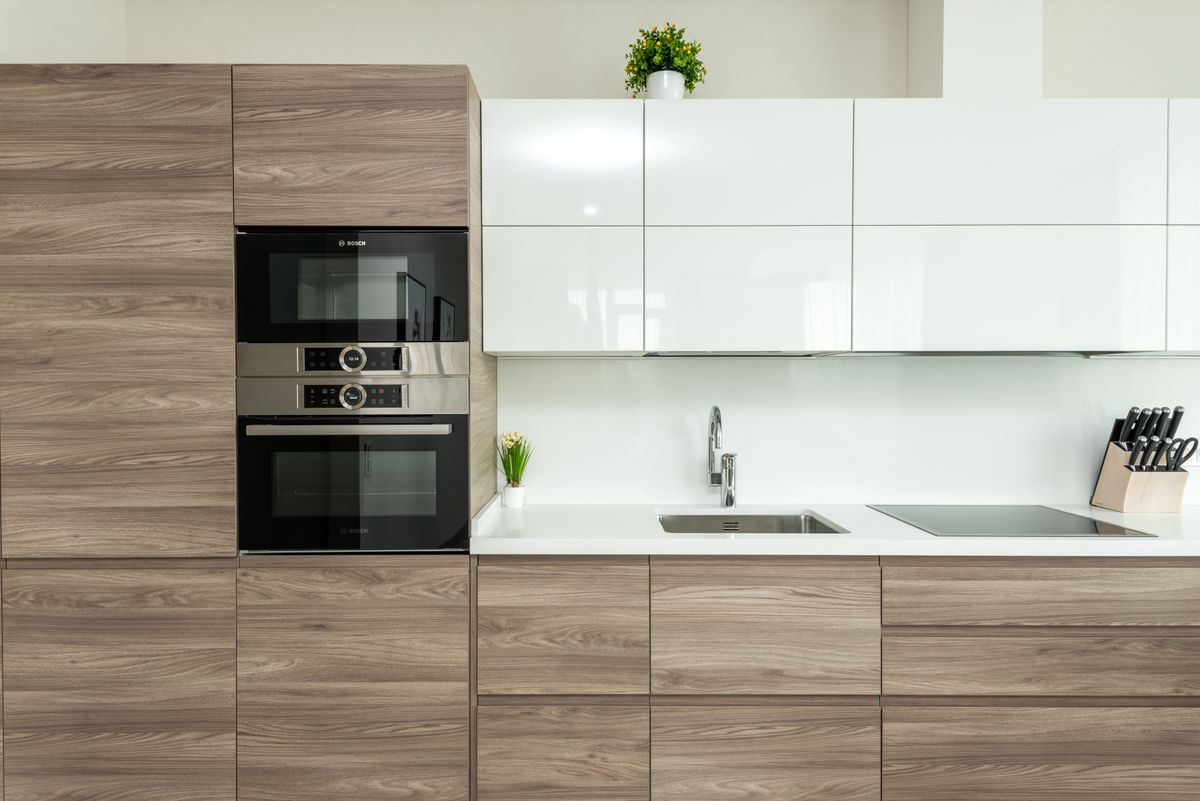
With good quality HPL, flush and well-clamped joints, every cut edge sealed and the sink properly siliconed, ten to twenty years in a normal home is realistic. Standard laminate fitted less carefully sits nearer the ten to fifteen mark and is more prone to scratching, swelling and heat damage. Those ranges are wide because the variable is not really the material, it is the fitting. A carefully fitted budget worktop will outlast an expensive one installed badly, which is not true of stone in the same way. Spend your attention on the installation rather than only on the product.
Heat, Scratches and the Repair Problem
Heat, Scratches and the Repair Problem
Image source: pexels.com
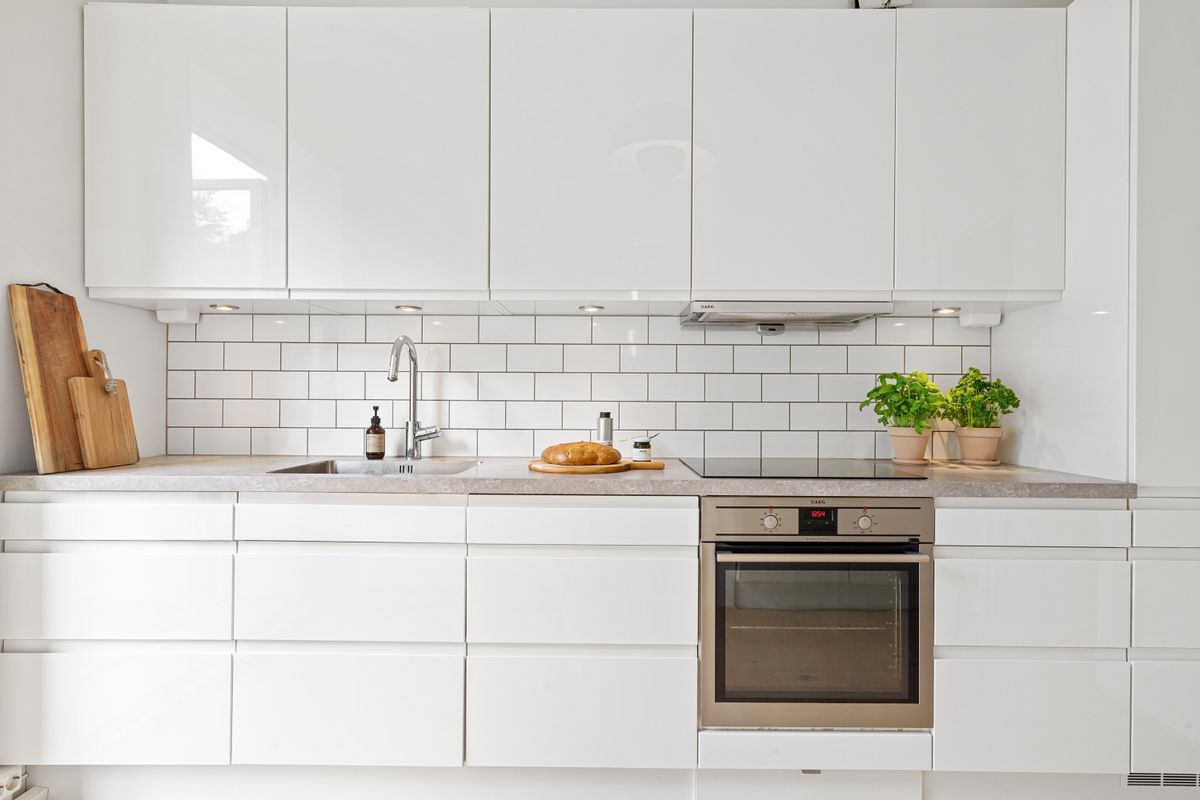
Laminate is not heat resistant. A hot pan straight from the hob will mark it, and unlike a stone worktop the mark is permanent. It also scratches, and while normal use is fine, cutting directly on the surface will show. The critical difference from stone is that none of this can be repaired. A chip in granite can be filled by a specialist; a burn in laminate is there for the life of the worktop. Use trivets and a chopping board without exception. If your household genuinely will not do that, the honest advice is to look at quartz or granite instead.
Where Laminate Genuinely Wins
Cost is the obvious answer but not the only one. Laminate offers a far wider range of colours, patterns and effects than natural stone can, and modern wood-grain, concrete and marble effects are convincing at normal viewing distance. It is light, which matters in a flat or on units that were never specified for a heavy top. It is easy to cut and fit, so a competent DIY installation is realistic in a way stone never is. And because it is inexpensive, changing it in eight years when you want a different look is a genuine option rather than a fantasy, which is a real advantage in a rental or a first home.
Joints, and Why They Matter
Anywhere two lengths of worktop meet is a potential entry point for water, so joints deserve the same attention as the sink. A properly made joint is cut with a jig, pulled tight with clamping bolts from underneath, sealed along its length, and sits flush enough that you cannot catch a fingernail on it. A joint you can feel is a joint that will collect water and grime. Corner joints near a sink are the highest-risk location in any laminate kitchen, so if you are planning the layout, keeping the sink away from a corner join is a small decision that prevents a large problem.
Choosing a Colour and Finish
The same principles apply as with any worktop, with one addition: matt and lightly textured finishes hide scratches and fingerprints considerably better than high gloss, and gloss laminate in a dark colour is the least forgiving surface in a kitchen. Wood-effect suits a warm scheme and hides crumbs and daily mess well. Pale stone effects keep a small kitchen bright. Very dark plain colours look sharp in a showroom and show every mark at home. Order samples and put them on the units in your own light, because laminate photographs better than it looks under fluorescent showroom lighting.
Cleaning and Everyday Care
Laminate is genuinely easy to look after, which is part of the appeal. Warm soapy water and a cloth is the whole routine, and it needs no sealing ever. Avoid abrasive creams and scouring pads, which dull the surface, and avoid leaving standing water anywhere near a join, an edge or the sink surround. Wipe spills reasonably promptly and dry the area around the sink at the end of the day. That last habit costs nothing and addresses the one failure mode that actually kills laminate worktops, so it is worth more than any product you could buy for it.
Is Laminate the Right Choice for You?
Choose laminate if budget matters, if you want a specific colour or effect stone cannot give you, if the kitchen is a rental or a stepping stone, or if you are fitting it yourself. For the warmth of timber with a repairable surface, see our guide to solid wood worktop care. Choose something else if hot pans get put down without thinking, if you want a worktop that will outlive the kitchen around it, or if the idea of a surface that cannot be repaired bothers you. Either way, the decision that matters more than the material is who fits it and whether they seal the cut edges. Keep the surrounding worktop clear with sensible kitchen storage and it will look good for years.
Final Thoughts
Modern laminate looks far better than its reputation and lasts ten to twenty years when it is fitted properly. The whole risk sits in one place: raw chipboard at the sink and hob cut-outs. Insist those edges are sealed, choose postformed unless you have a reason not to, use trivets and a board, and dry around the sink. Do that and a laminate worktop is a sensible choice rather than a compromise.
Frequently Asked Questions
How long do laminate worktops last?
Ten to twenty years with good HPL, flush sealed joints and properly sealed cut edges. Poorly fitted worktops sit nearer ten years or fail much sooner.
Why do laminate worktops swell around the sink?
Because the cut-out exposes raw chipboard. If those edges are not sealed, water gets in, the core swells and the laminate lifts. It cannot be repaired.
What is the difference between laminate and compact laminate?
Standard laminate is a surface bonded to a chipboard core. Compact laminate is solid throughout with no core, so it is thinner and far more water-resistant.
Can you put hot pans on a laminate worktop?
No. Laminate is not heat resistant and burns are permanent, because the surface cannot be repaired or sanded back. Always use a trivet.
Is postformed or square edge better?
Postformed wraps the laminate over the front edge and creates a built-in drip seal, making it more forgiving. Square edge looks sharper but relies on edging.
How do you clean laminate worktops?
Warm soapy water and a cloth. No sealing is ever needed. Avoid abrasives, and dry around the sink rather than leaving standing water at edges and joins.
Disclaimer
This article is for general information only. Products, core materials and manufacturer guarantees vary, so always follow the care and fitting guidance supplied with your specific worktop and confirm what is included with your fitter before work begins.