
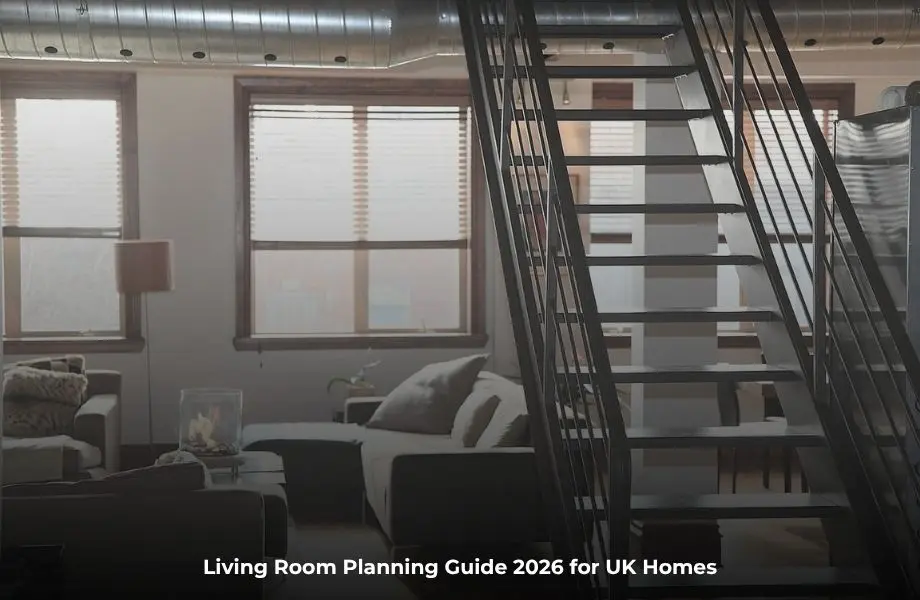

Last winter, a young couple in Manchester stood in the middle of their living room surrounded by unopened furniture boxes, wondering why the space still felt cold and unfinished. They had bought trendy décor, a beautiful sofa, and expensive lights, yet the room never truly felt like home. That moment reflects what many homeowners are experiencing in 2026. A living room is no longer just a place to sit; it has become the heart of everyday life, from movie nights and remote work to quiet mornings with coffee. This living room planning guide 2026 is designed to help you create a space that feels stylish, practical, and deeply personal. Whether you live in a small flat in London or a family home in Leeds, thoughtful planning can completely transform the way your home feels every single day.
Why Living Room Planning Matters More in 2026
There was a time when people decorated their living rooms simply to impress guests. Today, things are different. Families now spend more time at home than ever before, and living rooms have quietly turned into multifunctional spaces. One corner becomes a workspace during the day, while another turns into a cosy movie spot at night.
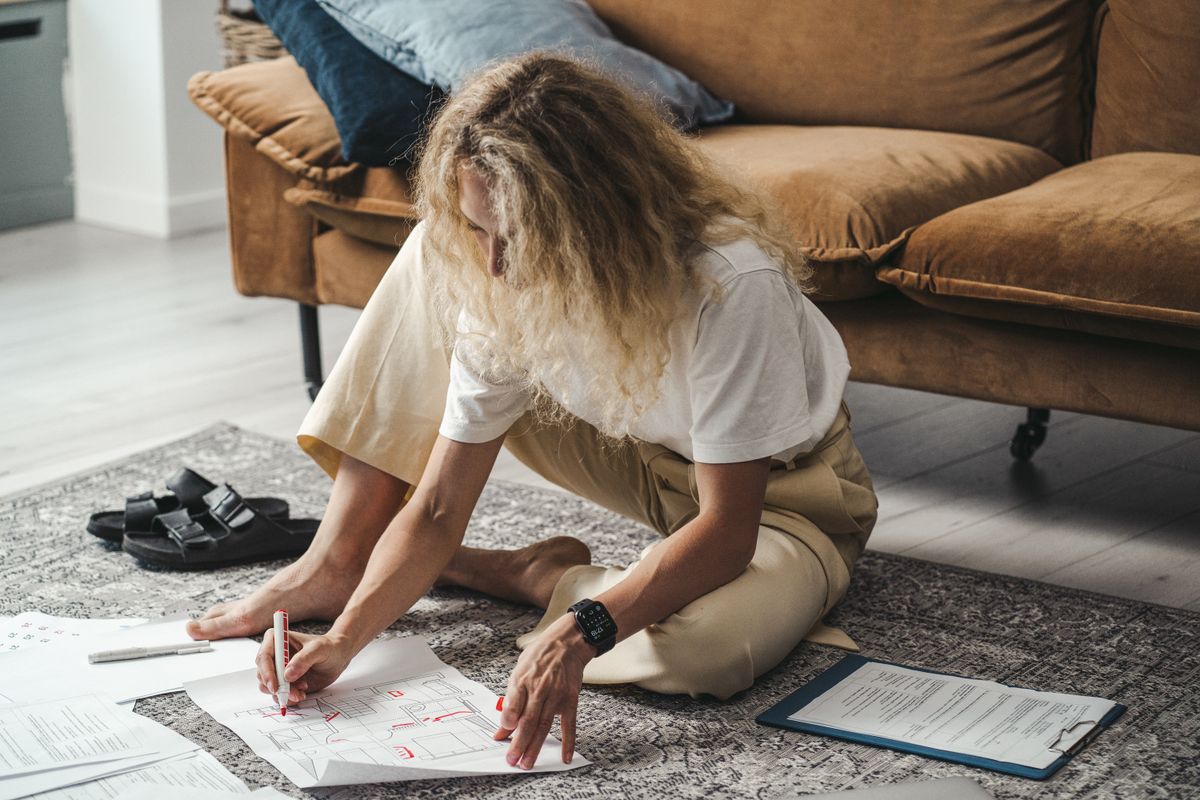
In 2026, homeowners are focusing on comfort and flexibility rather than just appearance. According to House & Garden’s interior design trends report, soft textures, adaptable layouts, and calming colour palettes are shaping modern homes across the UK. These trends reflect a growing desire for spaces that reduce stress and support daily life.
Imagine walking into a room where everything flows naturally. The lighting feels warm, the furniture fits perfectly, and there is enough storage to avoid clutter. That sense of balance does not happen by accident. Good planning helps you avoid expensive decorating mistakes and creates a room that works for your lifestyle for years to come.
Understanding the Purpose of Your Living Room
Before buying furniture or choosing paint colours, pause for a moment and think about how your living room is actually used. A retired couple may want a peaceful space for reading and conversation, while a young family might need durable furniture and hidden storage for toys.
One homeowner in Birmingham realised her living room felt chaotic because she had never defined its purpose. After rearranging the space into separate zones for relaxing, working, and entertaining, the room immediately felt calmer and more practical.
Modern interior experts now recommend “lifestyle-first design.” As reported by Decorilla’s 2026 design forecast, homes are increasingly designed around routines rather than trends alone. This shift is changing how people plan layouts, select seating, and organise storage.
Think about your everyday habits. Do you host guests often? Do children use the room for homework? Is the television the centrepiece or would you rather create a conversation-focused setup? Answering these questions first will shape every other decision naturally.
Choosing the Right Living Room Layout
One of the biggest mistakes homeowners make is forcing furniture into a room without considering movement and balance. A poorly planned layout can make even a large room feel cramped and uncomfortable.
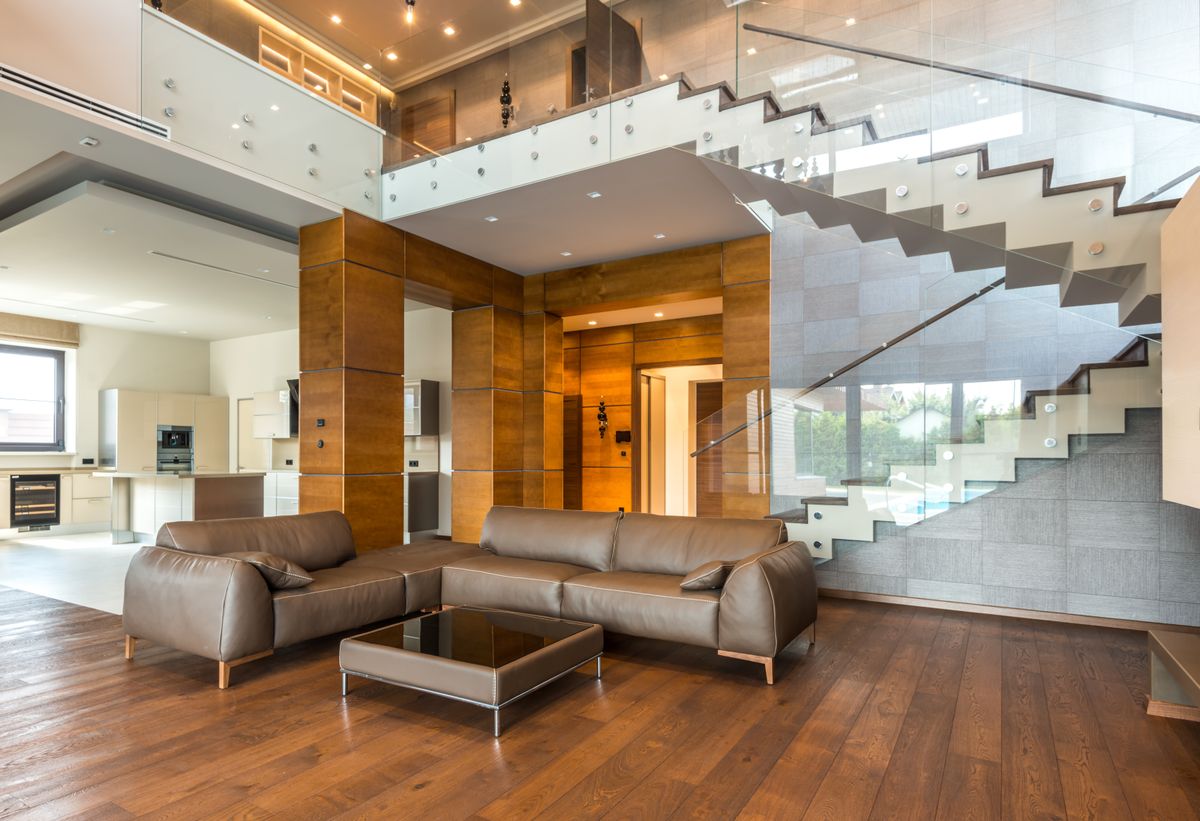
In smaller UK homes, smart furniture placement is becoming more important than ever. Open-plan spaces remain popular in 2026, but they require careful zoning to prevent the room from feeling messy. According to Naturewall’s 2026 interior design guide, homeowners are using rugs, lighting, and shelving to visually separate different functions within one room.
Picture a family gathering where everyone can move comfortably between seating areas without squeezing past furniture. That feeling comes from thoughtful spacing. Leave enough room for natural movement, avoid blocking windows, and keep focal points clear.
If you are struggling with layout ideas, exploring these tiny house interior ideas UK can provide clever inspiration for maximising space without sacrificing comfort.
Picking Furniture That Balances Comfort and Style
Furniture trends in 2026 are moving away from overly formal designs and focusing instead on comfort-driven living. Deep sofas, curved edges, and modular seating are becoming favourites because they make homes feel inviting and relaxed.
A family in Bristol recently replaced their bulky traditional sofa with a modular sectional that could be rearranged for guests, movie nights, or quiet evenings. Suddenly, the room became more flexible and enjoyable to use.
According to House Beautiful’s organisation experts, multifunctional furniture is one of the smartest investments homeowners can make today. Pieces with hidden storage or adaptable features help maintain a clean and spacious environment.
When choosing furniture, think beyond appearance. A beautiful sofa that feels uncomfortable will quickly become frustrating. Consider how fabrics handle daily use, especially in family homes. Soft neutrals remain popular, but earthy greens and warm browns are also trending strongly across UK living room trends 2026.
Creating a Warm and Inviting Colour Scheme
Colour can completely change the emotional atmosphere of a living room. Some shades create calmness, while others add energy and warmth. In 2026, many homeowners are moving away from cold grey tones and embracing softer natural colours inspired by nature.
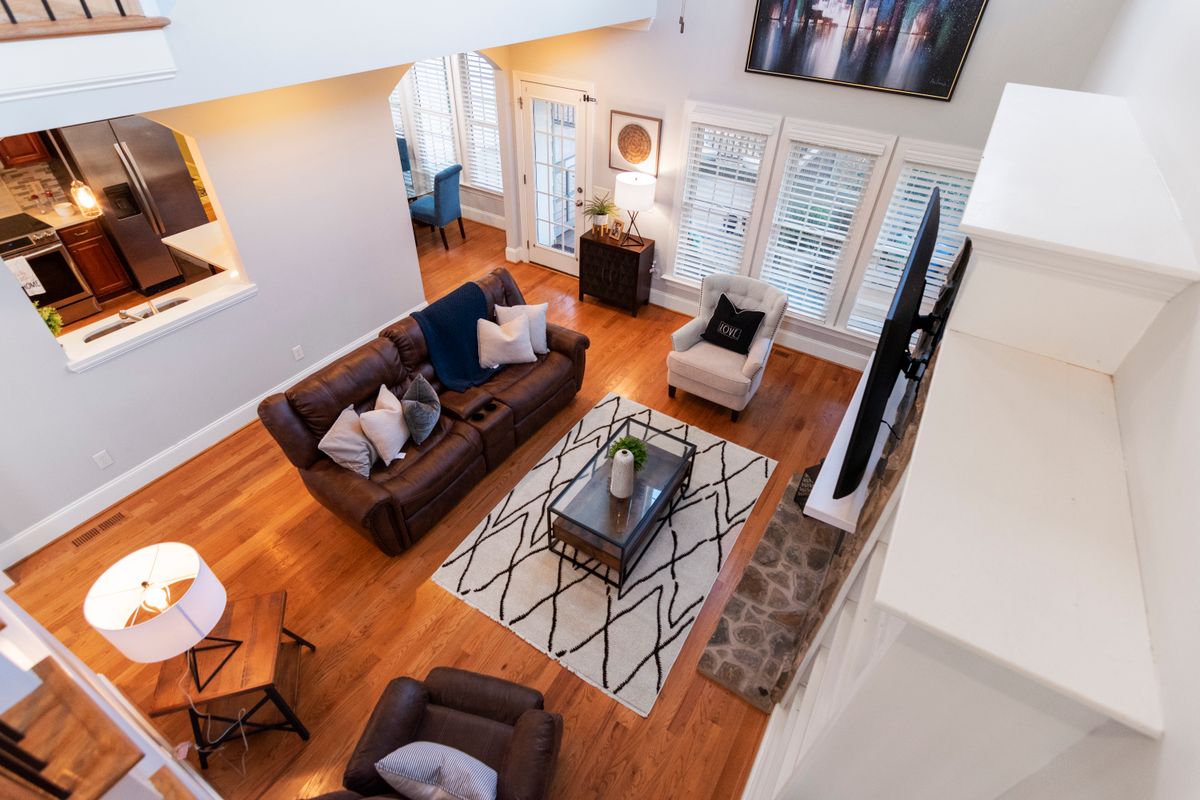
A homeowner in Edinburgh recently painted her living room a muted clay beige after years of bright white walls. She described the transformation as “finally feeling relaxed at home.” That emotional response is exactly why colour matters so much.
Interior trend analysts from House & Garden note that earthy palettes and layered textures are dominating modern living room ideas 2026 because they help spaces feel grounded and comforting.
Warm neutrals, sage green, terracotta, and soft blue tones are particularly popular this year. If you want more inspiration, these living room colour ideas UK offer practical combinations that suit both modern and traditional homes.
The key is balance. Too many bold colours can feel overwhelming, while overly neutral spaces may feel lifeless. Adding texture through cushions, rugs, and curtains can bring warmth without making the room feel busy.
Lighting Can Completely Change the Mood
One rainy evening in London, a homeowner realised her expensive living room still felt dull despite stylish furniture and décor. The real issue was lighting. A single harsh ceiling bulb made the entire room feel flat and unwelcoming.
Lighting design in 2026 is focused on layering. Instead of relying on one light source, homeowners are combining ceiling lights, table lamps, floor lamps, and wall lighting to create depth and atmosphere.
According to Decorilla’s 2026 lighting insights, warm ambient lighting is becoming essential for creating cosy and emotionally comforting interiors. Smart lighting systems are also growing in popularity because they allow homeowners to adjust brightness throughout the day.
Think about how your room changes from morning to evening. Bright natural light may work during the day, but evenings require softer tones for relaxation. If your sofa area feels dark or disconnected, these living room lighting ideas around your sofa can help create a much warmer atmosphere.
Adding Personal Touches That Tell Your Story
The most memorable living rooms are rarely the most expensive ones. They are the spaces filled with personality, memories, and small details that reflect real life.
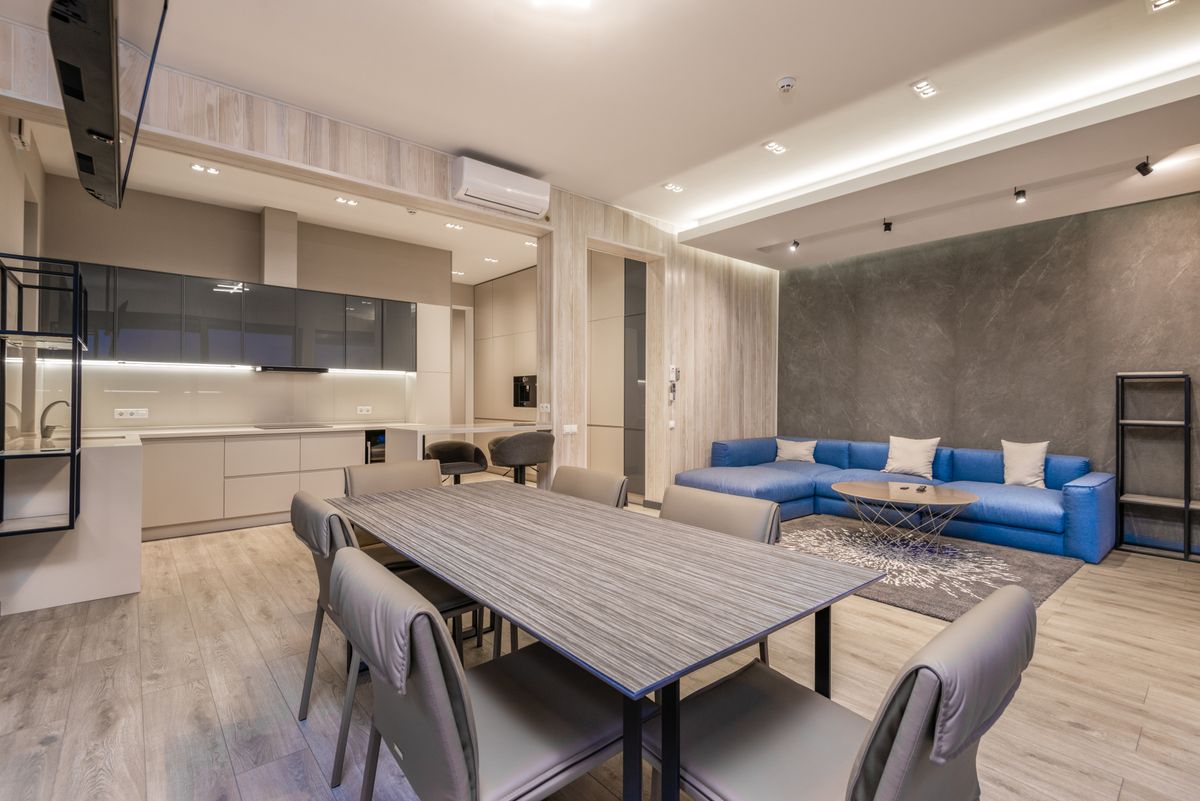
One homeowner proudly displayed travel photographs, handmade pottery, and books collected over twenty years. Guests immediately felt connected to the space because it told a story. That emotional connection matters far more than following every passing trend.
Design experts at Naturewall explain that personalised interiors are becoming increasingly important as homeowners seek authenticity instead of showroom perfection.
Adding character can be simple. A vintage coffee table, family artwork, or a cosy reading corner can make a room feel truly yours. Creating dedicated quiet spaces is also growing in popularity, especially for mental wellbeing. These living room reading corner ideas are perfect for adding comfort and personality without requiring major renovations.
Smart Storage Solutions for Modern Living
Clutter has a strange way of making even beautiful living rooms feel stressful. In many UK homes, especially smaller flats, storage is often one of the biggest challenges.
A couple in London transformed their small lounge simply by replacing open shelving with closed storage cabinets and multifunctional furniture. Suddenly, the room felt larger, cleaner, and far more peaceful.
According to House Beautiful, organised living spaces can improve focus and reduce everyday stress. That is why hidden storage solutions are becoming essential in modern living room planning guide 2026 strategies.
Ottomans with storage, floating shelves, slim media units, and built-in cabinets all help maintain a cleaner appearance. The goal is not to hide your personality but to prevent unnecessary clutter from overwhelming the room.
Storage should blend naturally into the design rather than feeling like an afterthought. A tidy room creates a calmer environment where people can genuinely relax.
Designing a Living Room That Adapts Over Time
One lesson many homeowners learned over recent years is that life changes quickly. A room designed only for one purpose can become frustrating when routines shift.
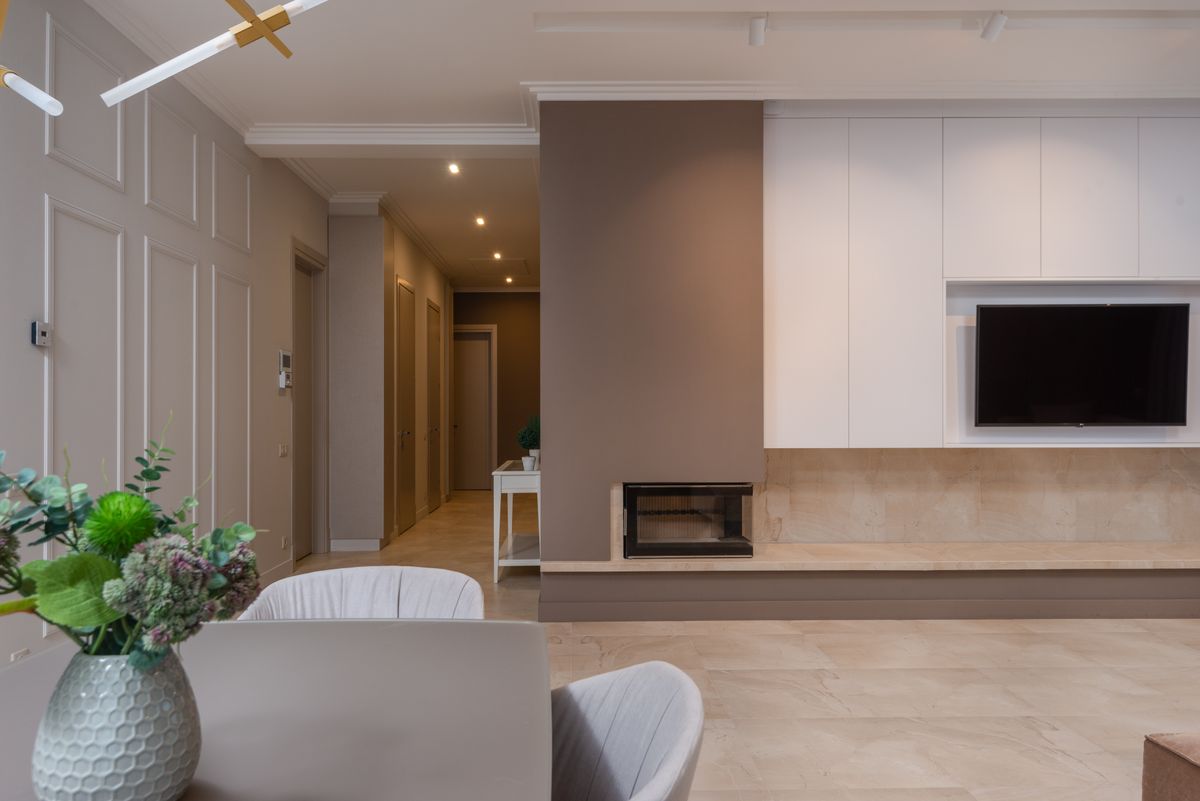
In 2026, flexibility is one of the most important design priorities. Families want living rooms that can adapt to remote work, entertaining guests, growing children, or quiet relaxation without requiring complete redesigns.
As reported by House & Garden, modular furniture and flexible layouts are now considered long-term investments because they allow spaces to evolve naturally with changing lifestyles.
Think about your future needs before making permanent decisions. A movable side table, adaptable seating arrangement, or neutral foundation can make updates easier later on.
The best living rooms are not frozen in time. They grow with the people who live in them. Planning with flexibility in mind ensures your space stays useful, stylish, and emotionally comforting for years ahead.
Author Bio – DailyLifestyleGuide UK
DailyLifestyleGuide UK is dedicated to helping readers create stylish, practical, and comfortable homes through expert-backed lifestyle advice and interior inspiration. From modern living room trends and smart storage ideas to cosy décor inspiration for UK homes, the platform shares easy-to-follow guides designed for real everyday living. The goal is simple: helping homeowners and renters create spaces that feel beautiful, functional, and genuinely personal.
Disclaimer
This article is intended for informational and educational purposes only. Interior design trends, furniture recommendations, and planning ideas may vary depending on personal preferences, property size, budget, and lifestyle needs. Readers are encouraged to research products, measurements, and professional advice before making major home improvement or renovation decisions. External sources referenced in this article were accurate and accessible at the time of writing in May 2026.
Finding Comfort and Balance Through Smart Living Room Planning
A well-designed living room is not about chasing perfection or copying trends from social media. It is about creating a space that supports your daily life, reflects your personality, and brings comfort into ordinary moments. This living room planning guide 2026 shows that thoughtful choices in layout, lighting, furniture, colour, and storage can completely change how a home feels. Whether you are redesigning a small flat or refreshing a family lounge, the most important thing is creating a room that feels welcoming every single day. Sometimes the smallest changes—a warmer lamp, a better layout, or a quiet reading corner—can make home feel entirely different. Take your time, trust your instincts, and create a living room that truly works for your life.
FAQs
What is the best layout for a modern living room in 2026?
The best layout depends on your lifestyle and room size. In 2026, flexible layouts with open movement, multifunctional furniture, and defined zones are especially popular. Many homeowners use rugs, lighting, and furniture placement to separate relaxation, entertainment, and work areas naturally.
How much does it cost to redesign a living room in the UK?
The cost varies based on furniture, décor, and renovation needs. A simple refresh with paint, lighting, and accessories may cost a few hundred pounds, while a full redesign with new furniture and flooring can reach several thousand pounds.
Is minimalist living room design still popular in 2026?
Yes, but modern minimalism in 2026 feels warmer and more comfortable than before. Instead of cold, empty spaces, homeowners are combining clean layouts with soft textures, earthy colours, and cosy lighting for a more welcoming atmosphere.
Why does lighting matter so much in living room design?
Lighting affects both mood and functionality. Layered lighting helps create a comfortable atmosphere for different activities, from relaxing evenings to working from home. Warm lighting also makes living rooms feel more inviting and emotionally comforting.
What colours are trending for living rooms in 2026?
Earthy neutrals, sage green, terracotta, warm beige, and muted blue shades are among the top living room colour schemes 2026 homeowners are choosing. These colours create a calming and timeless look while adding warmth to modern interiors.
How can I make a small living room look bigger?
Using multifunctional furniture, light colours, mirrors, and smart storage solutions can help small living rooms feel larger. Keeping clutter hidden and allowing natural light to flow freely also makes a significant difference in compact spaces.