
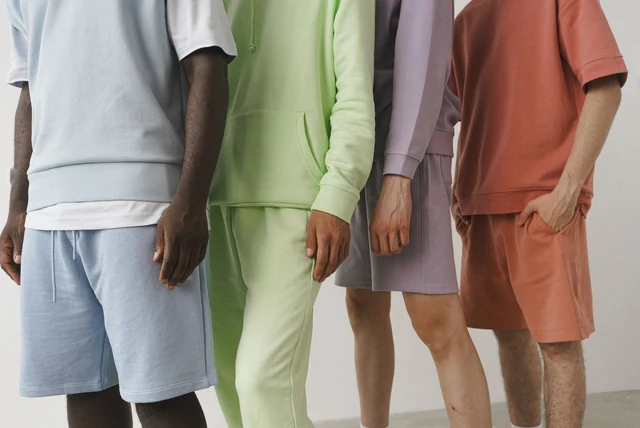

Most men who say they are bad with colour are not bad with colour. They are working without a system, so every morning becomes a fresh guess and the safe answer wins by default. That is why so many wardrobes are navy, grey and white with three unworn things in the corner. Men’s colour combinations for clothes are far simpler than they look, because almost all of it comes down to one idea: build on neutrals, then add one thing that is not neutral.
| The neutrals | Navy, grey, white, black, beige, olive, brown |
|---|---|
| The rule | Two neutrals plus at most one accent colour |
| Safest pairing | Navy and white. It works on everyone, all year |
| Most underused | Navy and brown, particularly navy with tan leather |
| Easiest accent | Burgundy, olive, mustard or rust, in small amounts |
| Hardest to wear | Two strong colours at equal volume |
| Black and navy | Fine in practice, provided the difference looks deliberate |
Neutrals Do Almost All the Work

Neutrals Do Almost All the Work
Image source: pexels.com
Navy, grey, white, beige, olive, brown and black are the backbone of every wardrobe that looks put together, and the reason is simple: they go with each other and with everything else. If two neutrals make up the bulk of an outfit, it is very difficult for it to look wrong. That is not a limitation, it is the foundation that lets you add colour without risk. The men who look effortlessly well dressed are almost never wearing more colour than everyone else. They are wearing better neutrals with one considered addition.
The One Accent Rule

The One Accent Rule
Image source: pexels.com
Here is the whole system in a sentence: two neutrals, one accent, and stop. A grey jumper, navy trousers and a rust scarf. A white shirt, beige chinos and a green jacket. The accent can be an entire garment or something small like a tie or a knitted hat, and the smaller it is the bolder it can be. What breaks this is adding a second accent, because the eye no longer knows where to go and the outfit reads as busy rather than considered. If you want to wear two strong colours, one of them has to become the accent and the other has to give way.
Navy and Brown Is the Best Pairing Nobody Uses
Navy and Brown Is the Best Pairing Nobody Uses
Image source: pexels.com
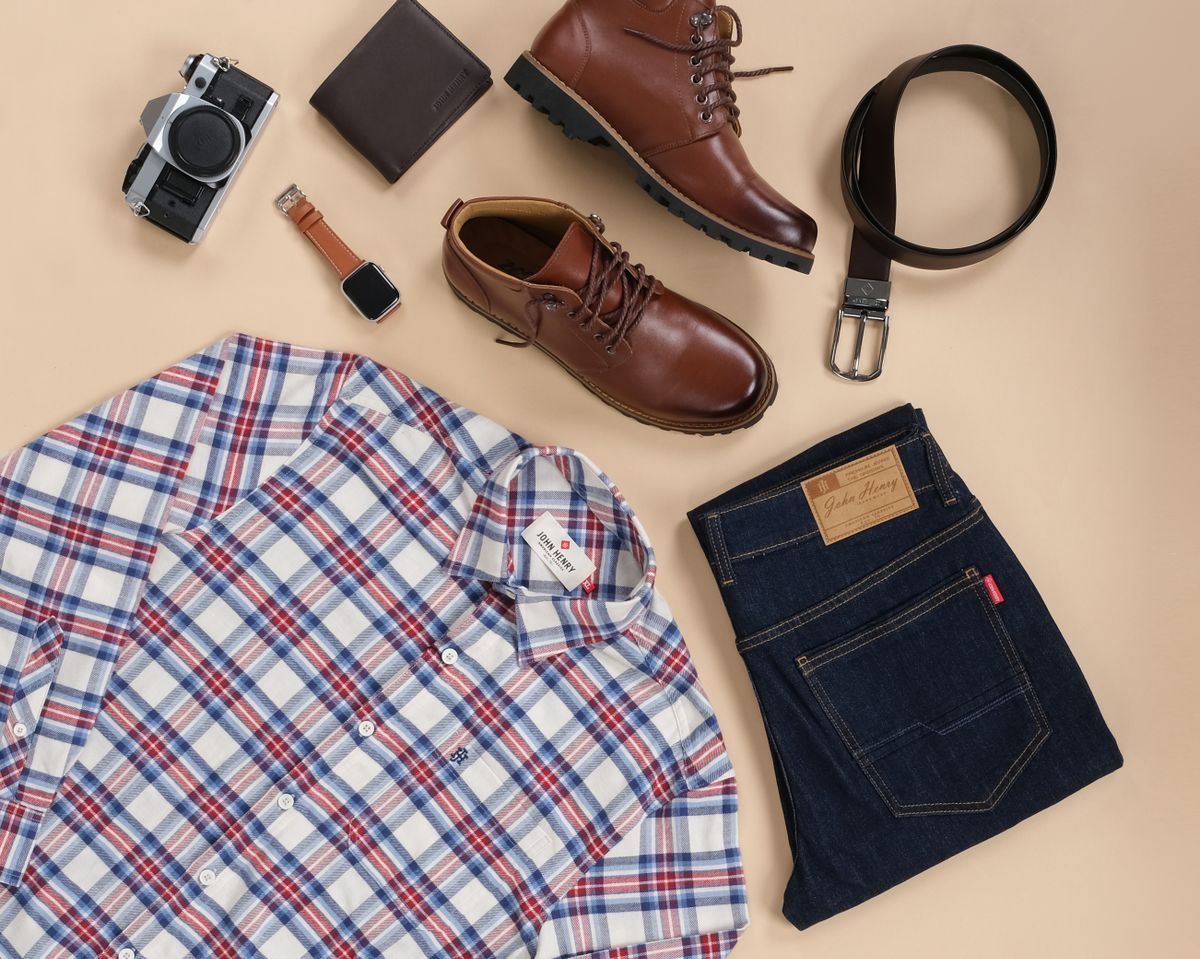
British men are oddly cautious about brown, which is a shame because navy and brown is one of the richest combinations available. Tan or mid-brown leather against navy looks warmer and more interesting than the black most people default to, and it works from shoes to belts to watch straps to a jacket. It suits daylight and it photographs well. The rule that brown shoes are somehow less formal than black still exists at the very formal end, but for everything short of black tie and morning dress it is worth ignoring. This is the single easiest upgrade to a navy-heavy wardrobe.
Getting Contrast Right
Getting Contrast Right
Image source: pexels.com
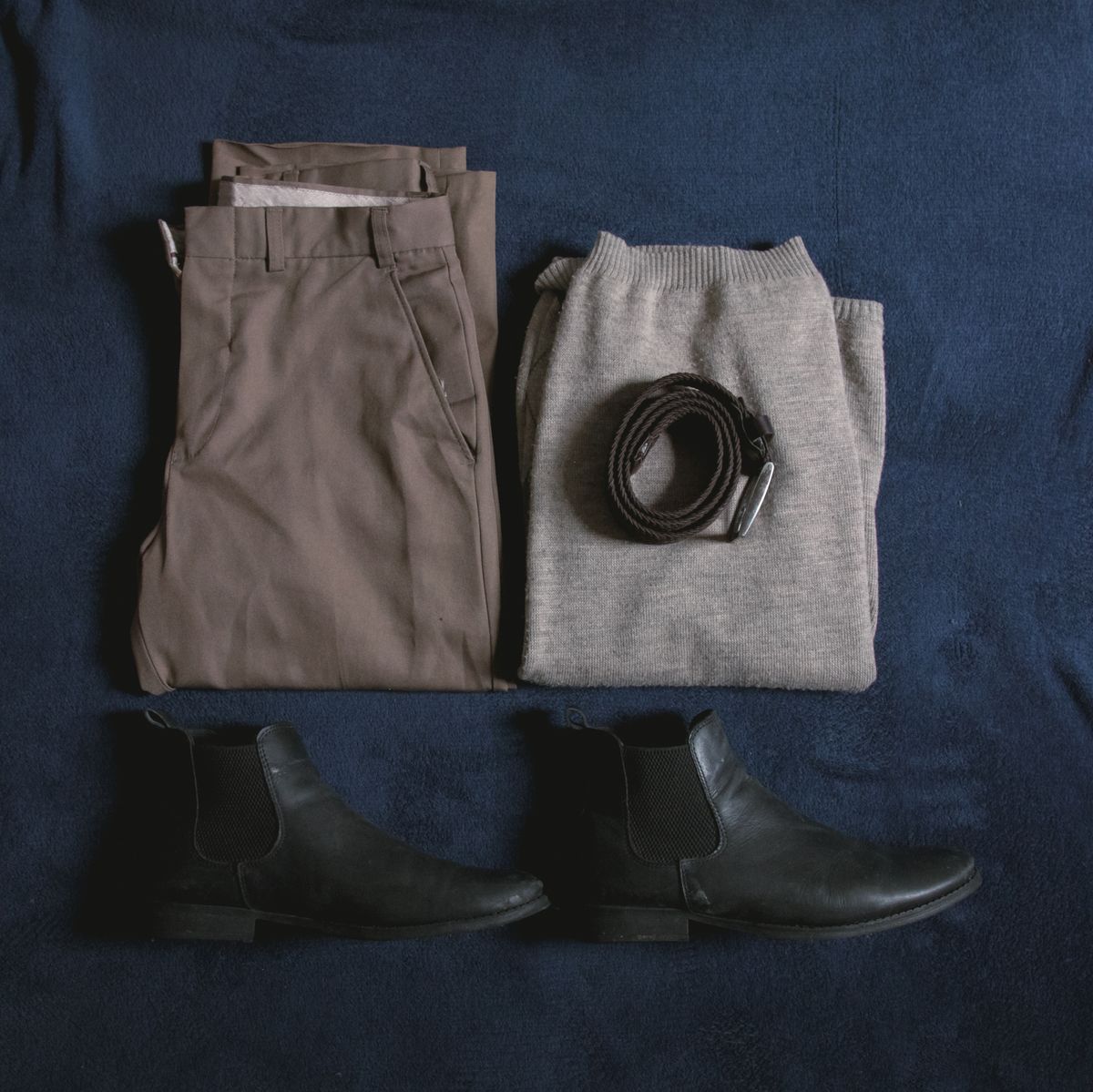
Contrast is what stops an outfit looking flat, and it comes in two forms. Light against dark is the obvious one: a white shirt with navy trousers has high contrast, a grey shirt with charcoal trousers has low contrast. High contrast reads as sharper and more formal; low contrast reads as softer and more relaxed. Both work, but an outfit with almost no contrast anywhere tends to look washed out, and one with maximum contrast everywhere can look severe. The useful habit is to check in the mirror whether anything separates the halves of the outfit. If nothing does, change one piece.
Warm and Cool, Kept Simple
Warm and Cool, Kept Simple
Image source: pexels.com
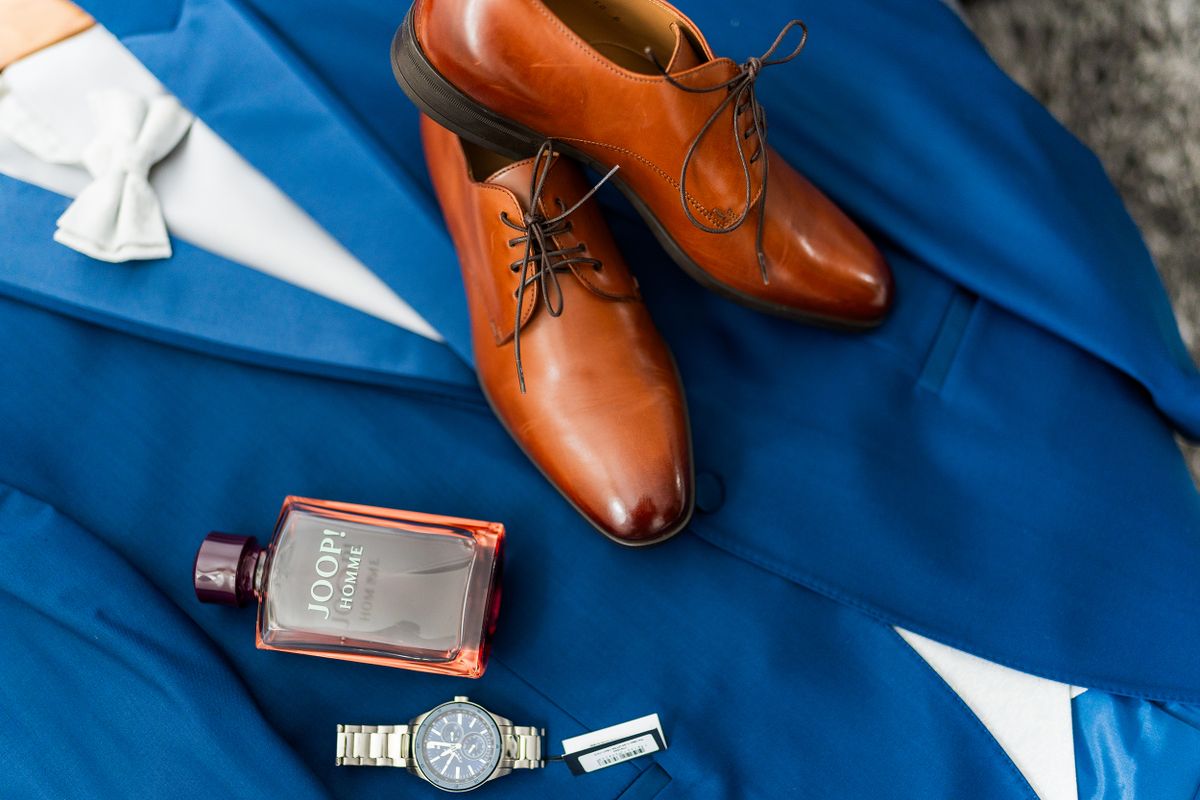
You do not need a colour wheel, but one distinction helps. Some neutrals are cool (navy, grey, crisp white, black) and some are warm (beige, camel, olive, brown, cream). Outfits built mostly from one family look coherent almost automatically. Mixing them is not forbidden and navy with camel is a classic, but the more you mix, the more one piece has to lead. If an outfit feels slightly off and you cannot say why, this is usually the reason: a cool grey jumper over warm beige chinos with cream trainers is three different temperatures arguing quietly.
Accent Colours That Are Easy to Wear
Accent Colours That Are Easy to Wear
Image source: pexels.com
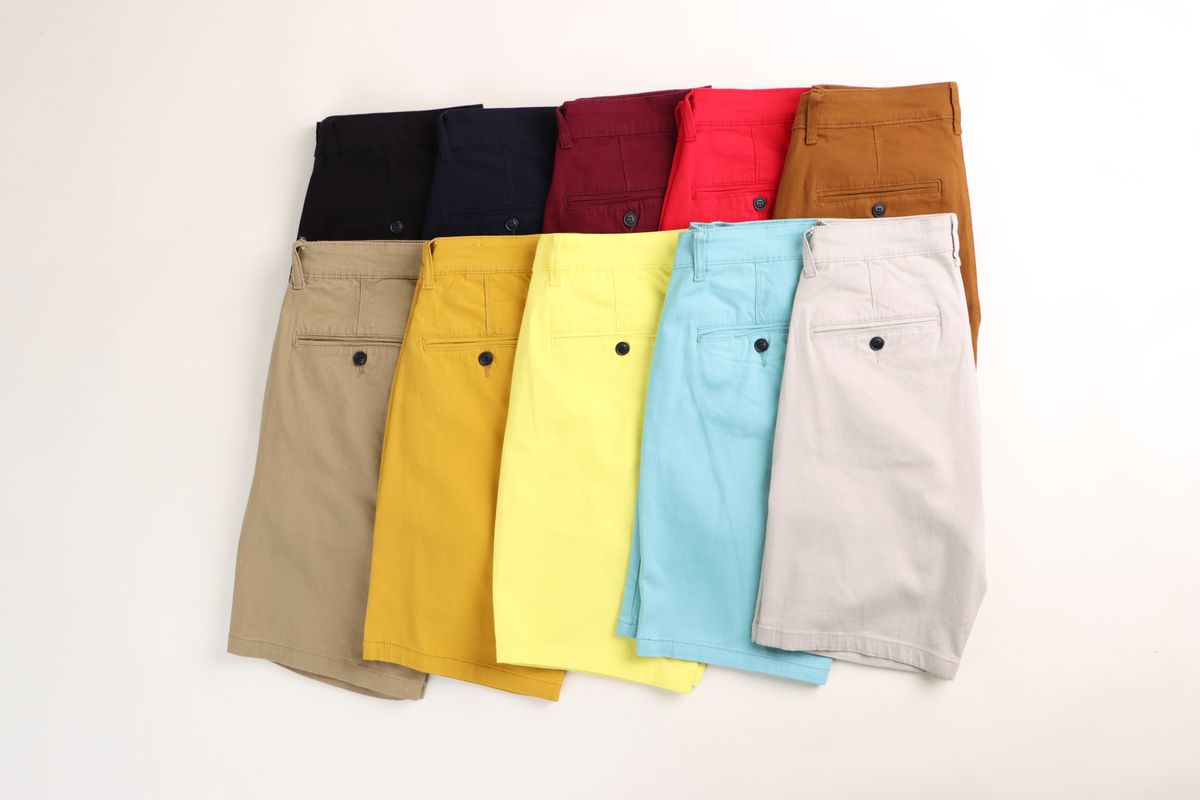
Some colours are simply more forgiving than others on most men. Burgundy, olive green, mustard, rust and forest green all sit comfortably against navy, grey and beige, and none of them shout. Bright primary colours are harder, not because they look bad but because they demand the rest of the outfit be very quiet. If you are starting out, buy the accent in something small first, a scarf, a tie, a pair of socks, and see whether you actually reach for it. Our men’s outfits guide covers how the pieces fit together beyond the colour question.
Black and Navy Together
The old rule says never, and the old rule is wrong. Black and navy together look deliberate as long as the difference is visible rather than accidental. A black leather jacket over a navy jumper is a good outfit. A navy suit jacket with black suit trousers is a mistake, because it reads as an attempt to match that failed. The test is whether someone would think you chose two colours or think you got dressed in the dark. Adequate light helps; so does making sure the two pieces are clearly different garments rather than near-identical ones.
Patterns and Colour
Once a pattern is involved, treat it as the accent and let everything else be plain. A checked shirt, a striped jumper or a patterned jacket already carries visual weight, so pairing it with a second pattern or a strong solid colour is where outfits fall apart. The useful trick is to pull one colour out of the pattern and echo it somewhere small: a green thread in a check picked up in the socks, for example. That reads as intentional without being matchy. Two patterns together can work but need very different scales, and it is not where to start.
Denim Counts as a Neutral
Blue jeans function as a neutral in practice, which is why they go with almost everything, but the shade changes what they pair with. Dark indigo behaves like navy and works with white, grey, burgundy and tan. Mid blue is the most flexible and takes almost any accent. Light and stonewashed washes are warmer and more casual and sit better with olive, cream and rust than with sharp black. If you are choosing denim, our men’s jeans styles guide covers the fits and washes in detail.
Skin Tone, Briefly and Honestly
Plenty of advice online turns this into a complicated system, and most of it is more confident than the evidence supports. The practical version is short. Very pale colours next to a very pale complexion can wash you out, so a bit of contrast near the face helps. Very warm colours like camel and rust tend to flatter warmer complexions; cooler blues and greys tend to flatter cooler ones. Beyond that, hold the garment up near your face in daylight and judge it. Your own eyes are a better guide than any chart, and confidence in a colour does more than theoretical correctness.
Building a Wardrobe That Combines Itself
The real solution is structural rather than daily. If most of what you own is neutral and in a consistent temperature, then almost any two pieces you pull out will work together, and getting dressed stops requiring thought. Buy the bulk in navy, grey, white, beige and olive; buy the accents deliberately and sparingly; keep the leather consistent so belts and shoes always agree. That is a smaller wardrobe that produces more outfits, which is the opposite of what most people end up with. For occasion dressing, wedding guest outfits follow the same logic with tighter rules.
Final Thoughts
Two neutrals plus one accent will carry you through almost anything. Build the wardrobe on navy, grey, white, beige and olive, add colour in one place rather than three, use brown leather with navy more often than you currently do, and make sure something creates contrast. Men’s colour combinations for clothes stop being a problem the moment the wardrobe itself is doing the work.
Frequently Asked Questions
What colours go with navy for men?
White, grey, burgundy, olive and tan or brown leather. Navy with brown is particularly good and consistently underused.
Can men wear black and navy together?
Yes, provided the difference looks deliberate. A black jacket over a navy jumper works; a navy jacket with black suit trousers does not.
How many colours should an outfit have?
Two neutrals and at most one accent. Adding a second accent is what usually makes an outfit look busy rather than considered.
What are the easiest accent colours for men?
Burgundy, olive, mustard and rust. All sit comfortably with navy, grey and beige without demanding the rest of the outfit be silent.
Do brown shoes go with a navy suit?
Yes, and it often looks better than black. The exception is very formal codes like black tie and morning dress, which require black.
How do you wear two patterns together?
Keep the scales clearly different and the colours related. If in doubt, treat one pattern as the accent and make everything else plain.
Disclaimer
This article is for general style guidance only. Colour appearance varies with lighting, fabric and individual complexion, so always judge a garment in daylight and trust your own eye over any general rule.