


One rainy afternoon, a mother watched her eight-year-old son trying to finish his homework at the dining table. Between the television noise, family conversations, and constant distractions, it took nearly two hours to complete a task that should have taken thirty minutes. That moment made her realize something important—a child’s environment plays a huge role in how they learn. Creating a dedicated study space doesn’t require a large home or an expensive renovation. With thoughtful planning, even a small corner can become a place where creativity, focus, and confidence grow every day. These study room ideas for kids are designed to help parents create inspiring learning spaces that support education while making studying feel enjoyable rather than stressful. Whether you have a spacious room or a compact apartment, the right design choices can make all the difference.
Why a Dedicated Study Space Matters for Every Child

Many parents remember doing homework wherever space was available—on the sofa, kitchen table, or even on the floor. While that may work occasionally, children often perform better when they have a consistent place dedicated to learning. A study room creates a sense of routine and helps young minds switch into focus mode more easily.
Imagine a child walking into a bright, organized space every afternoon after school. Their books are neatly arranged, pencils are within reach, and there are fewer distractions competing for attention. Over time, this simple routine can improve concentration and encourage independence.
Research highlighted by The Spruce’s study room design insights suggests that organized environments often support productivity and reduce stress. For children, this can mean spending less time feeling overwhelmed and more time engaging with their schoolwork.
Even if space is limited, parents can transform a corner of a bedroom into a dedicated learning zone. If you’re already working with a compact home, these small bedroom ideas UK can provide additional inspiration for maximizing every available inch.
Creating a Study Corner in Small Spaces

Not every family has an extra room available for studying, and that is perfectly okay. Some of the most effective study spaces begin with nothing more than an unused corner near a window or a quiet section of a bedroom.
A family living in a London flat recently transformed a narrow bedroom nook into a charming study corner. They installed a floating desk, added a compact chair, and used vertical shelves to store books. The result was simple, affordable, and surprisingly effective.
When designing a study corner for kids, focus on functionality before decoration. A sturdy desk, comfortable seating, and adequate lighting should always come first. Once the essentials are in place, personal touches can make the area feel welcoming and unique.
According to recommendations from Home Designing’s children’s study room inspirations, vertical storage solutions help maximize smaller spaces while keeping work surfaces clutter-free.
The beauty of small study room ideas for children is that they prove learning spaces don’t need to be large. What matters most is creating a place where children feel comfortable concentrating and exploring new ideas.
Choosing the Right Study Desk and Furniture
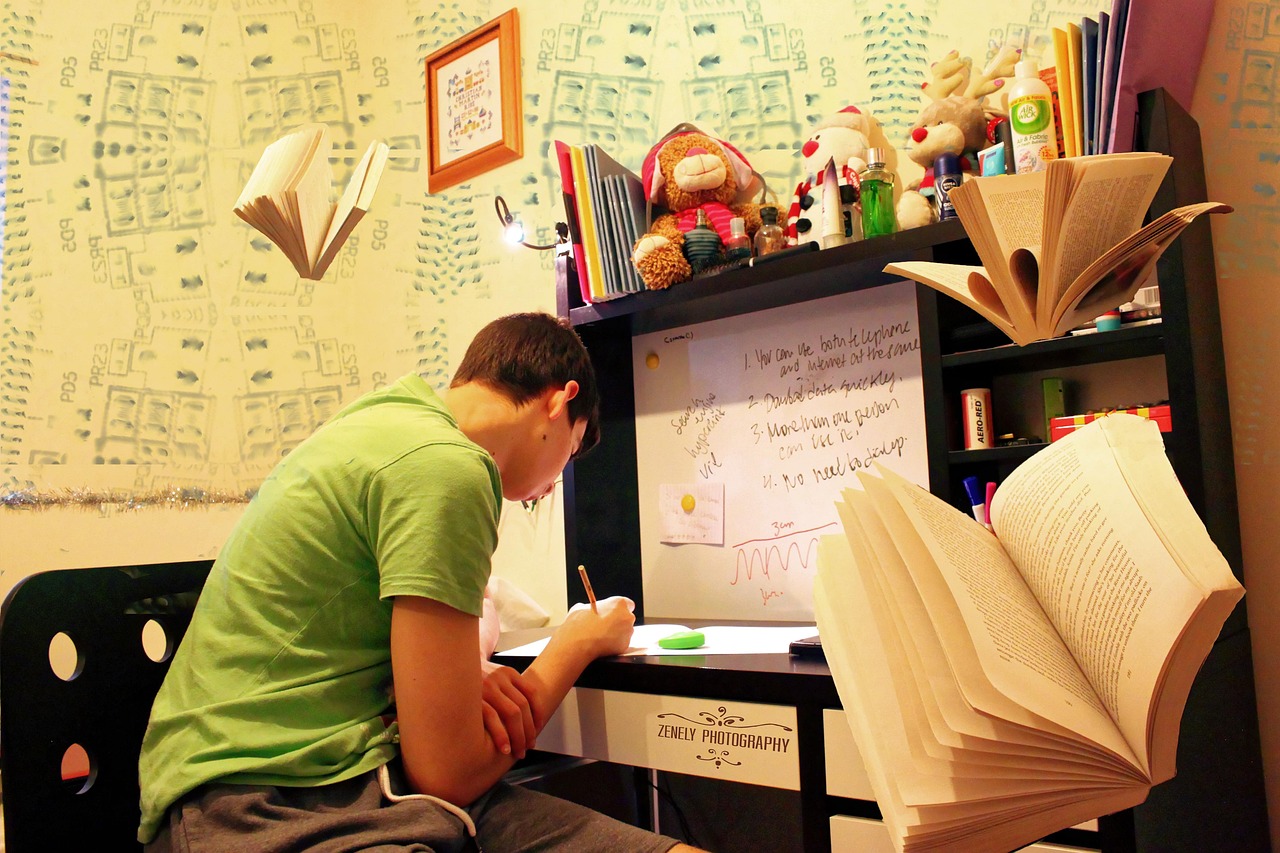
The desk often becomes the heart of a child’s study room. It’s where homework gets completed, science projects come to life, and creative ideas begin to take shape. Choosing the right furniture can significantly improve comfort and productivity.
Parents sometimes make the mistake of selecting furniture solely based on appearance. While stylish designs are appealing, practical features matter far more in the long run. Adjustable desks and ergonomic chairs can adapt as children grow, making them worthwhile investments.
Picture a child spending an hour reading or writing. If the chair is uncomfortable, they may become restless long before finishing their work. A properly sized desk and supportive chair help maintain healthy posture and reduce unnecessary distractions.
Storage is equally important. Desks with built-in drawers or nearby shelving keep supplies organized and prevent clutter from taking over the workspace. This organization supports smoother study sessions and helps children develop positive habits.
To create a cohesive room design, parents can coordinate furniture colours with existing décor themes, much like the styling approaches used in these French style bedroom decorating ideas.
Making Learning Fun Through Colour and Creativity

Children often respond strongly to their surroundings. A dull, uninspiring study area may feel like a chore, while a thoughtfully designed space can encourage enthusiasm for learning.
One family painted a section of their daughter’s study wall with chalkboard paint. Suddenly, maths problems, spelling practice, and creative doodles all had a dedicated space. What began as a decorative feature became one of the room’s most-used learning tools.
Colours play an important role in setting the mood. Soft blues and greens are commonly associated with calmness and concentration, while touches of yellow can add energy and optimism. The goal isn’t to create sensory overload but to strike a balance between stimulation and focus.
Wall art featuring inspirational quotes, educational maps, or framed achievements can also motivate children. These small details help transform a simple desk area into a personal learning sanctuary.
For families interested in enhancing room aesthetics further, creative wall treatments similar to those found in these beautiful bedroom wallpaper ideas can add character without overwhelming the space.
The Importance of Good Lighting in a Kids Study Room

Lighting is often overlooked when planning a study room, yet it can have a major impact on comfort and focus. Many children spend hours reading textbooks, writing assignments, and using computers, making proper illumination essential.
A father once noticed his son constantly rubbing his eyes during homework sessions. The issue wasn’t the workload—it was poor lighting. After moving the desk closer to a window and adding an adjustable study lamp, homework time became noticeably easier and more enjoyable.
Natural light remains one of the best options whenever possible. Positioning a study desk near a window helps create a bright and welcoming environment during daytime hours. For evenings, a quality desk lamp with adjustable brightness can reduce eye strain.
Layered lighting works particularly well in children’s study rooms. Combining natural light, overhead lighting, and task lighting ensures the space remains functional throughout the day.
Modern interior design experts, including those featured by CenturyPly’s study room design guide, frequently emphasize lighting as one of the most important factors in creating productive study environments.
When children can clearly see what they’re working on, they often stay engaged longer and experience less fatigue, making good lighting one of the smartest investments parents can make.
Smart Storage Solutions That Keep Clutter Under Control

Every parent knows how quickly books, notebooks, colouring supplies, worksheets, and stationery can take over a room. One moment the study area looks tidy, and the next it resembles a miniature classroom after a busy school day. This is why effective storage is one of the most valuable study room ideas for kids.
A family with two school-aged children discovered that introducing labelled storage bins dramatically reduced daily mess. Instead of searching for pencils or homework sheets, each item had a designated home. The children became more independent because they knew exactly where everything belonged.
Open shelves are ideal for frequently used books, while drawers help hide visual clutter. Wall-mounted organizers can hold art supplies, planners, and important school documents without taking up valuable desk space. Storage benches are another clever solution, especially in smaller rooms where every square foot matters.
Good organization does more than create a neat appearance. It teaches children responsibility, time management, and problem-solving skills. When study materials are easy to find, learning becomes less stressful and more enjoyable.
Parents looking for calm and organized interiors often draw inspiration from minimalist spaces, where every item serves a purpose and unnecessary clutter is minimized.
Designing a Reading Nook That Encourages Learning
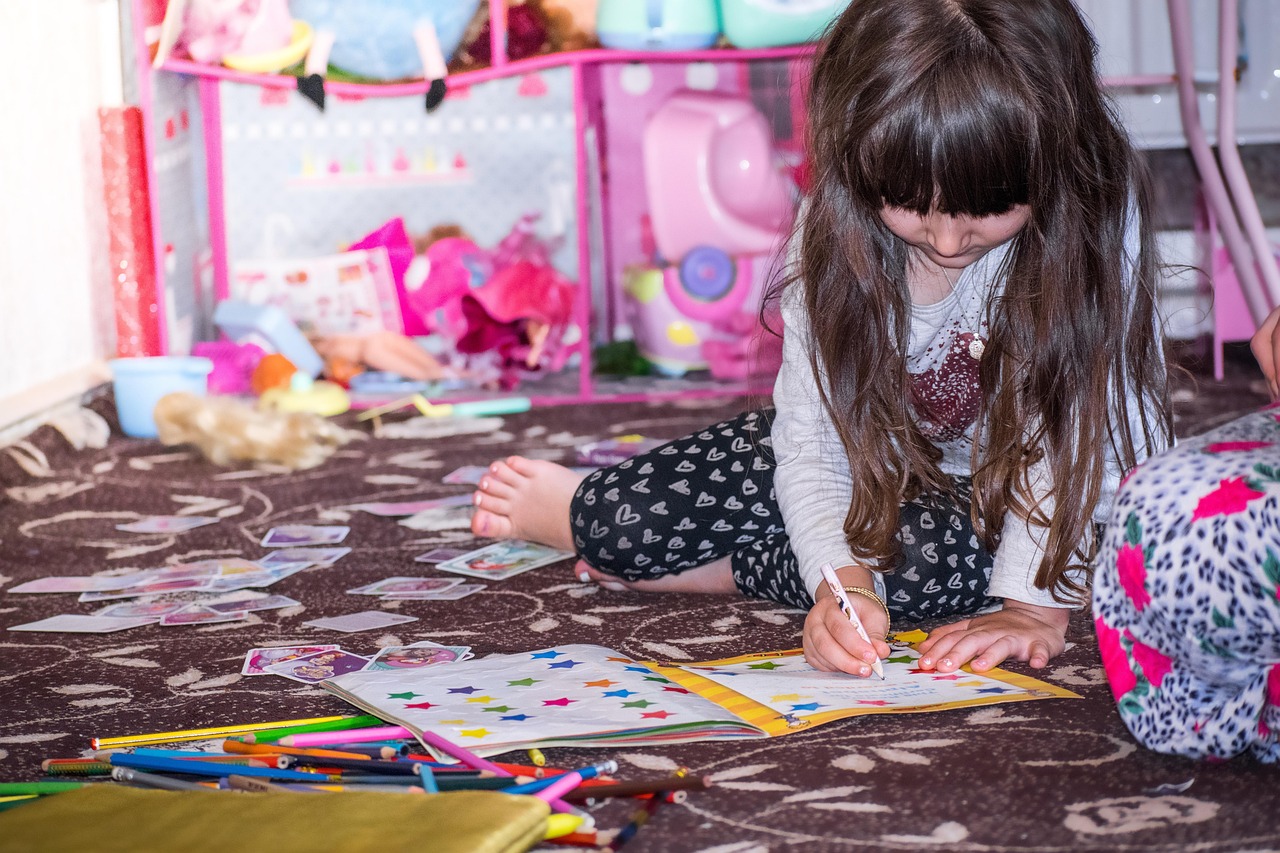
Some of the most important learning happens outside homework assignments. Reading for pleasure helps children develop vocabulary, imagination, and critical thinking skills. A dedicated reading nook can turn books into exciting adventures rather than school obligations.
Imagine a child curling up in a comfortable chair beside a bookshelf filled with favourite stories. Soft lighting creates a cozy atmosphere while a warm blanket invites them to spend a little longer exploring new worlds through reading. These small details often make a lasting difference.
Creating a reading nook does not require much space. A corner with floor cushions, a bean bag, or a small armchair can work beautifully. Adding a few floating shelves keeps books accessible and encourages children to pick up a book whenever they have free time.
Educational experts regularly highlight the benefits of independent reading for academic success and language development. A welcoming reading area supports this habit by making books an enjoyable part of everyday life rather than a task.
Parents can personalize the nook with themed décor, family photos, or favourite book characters to make the space feel uniquely their child’s own.
Creating a Tech-Friendly Yet Balanced Study Environment

Today’s children often need technology for schoolwork, research, and creative projects. Computers and tablets have become essential learning tools, but balance remains important. A well-designed study room should support technology use without allowing screens to dominate the space.
One parent noticed that their daughter’s desk became crowded with cables, chargers, and devices. By introducing cable management solutions and creating separate zones for digital and paper-based activities, the study area instantly felt more organized and productive.
A dedicated monitor stand can improve posture, while wireless accessories reduce visual clutter. At the same time, traditional learning tools such as notebooks, sketchpads, and reference books should remain easily accessible.
Experts from Pragyanam School’s study room recommendations suggest maintaining a balance between digital learning and hands-on educational activities to support well-rounded development.
By designing a study space that accommodates both technology and creativity, parents can help children adapt to modern learning requirements while maintaining healthy study habits.
Personalizing the Space to Reflect Your Child’s Interests

Children are more likely to enjoy spending time in a study room that feels personal and meaningful. The most inspiring study spaces often reflect a child’s passions, hobbies, and dreams.
A young aspiring astronaut might love a study wall decorated with solar system posters and star-themed accessories. A budding artist may thrive in a creative learning space filled with sketchbooks, colourful storage containers, and a display area for finished artwork.
The key is to strike a balance between personality and functionality. Decorative elements should inspire rather than distract. A few carefully chosen items can make the room feel special without overwhelming the learning environment.
Displaying certificates, school achievements, and artwork can also boost confidence. Every time children sit down to study, they are reminded of their progress and accomplishments.
Colour choices can play a role here as well. Parents seeking calming yet cheerful palettes may find inspiration in these lavender bedroom decorating ideas, which demonstrate how colour can influence the mood of a space.
Study Room Themes That Inspire Creativity and Focus

Sometimes a simple theme can transform an ordinary room into an exciting place where children genuinely want to spend time. Themed study rooms help create memorable environments that encourage curiosity and imagination.
One family created a nature-inspired learning space featuring wooden furniture, botanical artwork, and soft green tones. Their child instantly felt more connected to the room and began spending more time reading and completing school projects independently.
Popular themes include space exploration, animals, travel, science, art, and nature. The goal isn’t to create an elaborate movie set but to introduce subtle design elements that support learning and creativity.
For example, a travel-themed study room might feature a world map, educational globes, and framed photographs from family adventures. These elements can spark conversations and encourage children to learn about different cultures and places.
Themed study rooms work especially well because they combine education with imagination. When children feel emotionally connected to their environment, studying often becomes a more positive and engaging experience.
Using Multi-Functional Furniture in Smaller Homes
Many UK families face the challenge of limited living space. Fortunately, modern furniture designs offer practical solutions that make study rooms more flexible and efficient.
A compact bedroom can quickly become a productive learning space with the right furniture choices. Fold-away desks, wall-mounted workstations, and storage-integrated seating allow families to maximize functionality without sacrificing comfort.
One clever solution involves loft beds with built-in study areas underneath. This design creates separate zones for sleeping and studying while using vertical space effectively. For children sharing bedrooms, these layouts can be particularly valuable.
Multi-functional furniture also helps rooms adapt as children grow. A desk that accommodates primary school homework today may later support secondary school assignments and creative projects.
Families who appreciate practical yet stylish interiors often use principles similar to those found in thoughtfully designed living spaces such as these classic British living room ideas, where function and aesthetics work together beautifully.
When every piece of furniture serves multiple purposes, even smaller homes can support productive and inspiring study environments.
Building Healthy Study Habits Through Room Design

A well-designed study room does more than look attractive—it quietly supports positive habits that can benefit children for years. The layout, organization, and atmosphere of a study space often influence how consistently children engage with learning.
Consider a child who returns home from school each day and heads directly to a familiar, organized study area. Their books are ready, their supplies are easy to find, and distractions are limited. Over time, this routine becomes second nature. Instead of resisting homework, they begin to associate the space with focus and achievement.
Simple design choices can encourage healthy study habits. Keeping the desk clear, maintaining good lighting, and displaying a weekly planner can help children stay organized and manage their responsibilities independently. A visible calendar can also teach time management and goal-setting skills.
Parents play an important role too. By involving children in organizing and maintaining their study space, they help build ownership and responsibility. The study room becomes more than just a place to complete assignments—it becomes a space where confidence, discipline, and independence grow every day.
Balancing Comfort and Productivity in a Kids Study Room

One common mistake parents make is focusing entirely on productivity while forgetting comfort. Children are more likely to spend time in a study area that feels welcoming and enjoyable rather than strict and formal.
A balanced study room combines practical furniture with cozy elements that make the space inviting. Soft rugs, comfortable seating, and warm lighting can create a pleasant environment without reducing focus. Even small touches such as a favourite photo, a plant, or a decorative cushion can make a significant difference.
At the same time, comfort should not become a distraction. Oversized sofas, televisions, and excessive decorations can make it difficult for children to concentrate. The goal is to create a space that feels calm, supportive, and functional.
Interior design experts frequently emphasize the importance of balancing aesthetics with purpose. A study room should inspire learning while remaining a place where children feel relaxed and confident. When comfort and productivity work together, studying becomes a more positive experience for everyone involved.
Final Thoughts on Creating the Perfect Study Room for Kids
Every child deserves a space where they can learn, imagine, and grow with confidence. The best study room ideas for kids are not necessarily the most expensive or elaborate. Often, the most successful spaces are those created with care, attention, and a deep understanding of a child’s needs.
Whether you’re designing a dedicated room, transforming a small corner, or updating an existing study area, thoughtful choices can make a lasting impact. Comfortable furniture, smart storage, proper lighting, personal touches, and a supportive atmosphere all work together to create an environment where learning feels natural and enjoyable.
As you plan your child’s study space, remember that perfection isn’t the goal. Creating a place where they feel inspired, focused, and valued is what truly matters. Sometimes a simple desk, a comfortable chair, and a little encouragement are enough to help a child discover their full potential.
If you’re planning a home update, use these ideas as a starting point and create a study room that grows alongside your child, supporting their educational journey every step of the way.
Author Bio
Daily Lifestyle Guide UK is a trusted online resource dedicated to helping families create beautiful, practical, and inspiring homes. Our team researches the latest home décor trends, family living solutions, parenting lifestyle topics, and interior design ideas tailored to modern UK households. We focus on providing easy-to-follow advice, expert-backed insights, and real-life inspiration that helps readers transform everyday spaces into homes they love.
Disclaimer
This article is intended for informational and educational purposes only. While every effort has been made to ensure the information is accurate and up to date as of June 2026, design trends, educational recommendations, and product availability may change over time. Readers should consider their individual requirements, available space, and professional advice where appropriate before making significant home design or renovation decisions. Daily Lifestyle Guide UK is not responsible for any decisions made based on the information provided in this article.
Frequently Asked Questions
What is the ideal size for a kids study room?
A study room does not need to be large to be effective. Even a small corner with a desk, chair, and adequate lighting can provide a productive study space. The focus should be on organization, comfort, and minimizing distractions rather than the overall room size.
How much space does a child need for a study area?
Most children can comfortably study in a space that accommodates a desk, chair, and storage unit. A compact area of around one to two square metres can often be enough when designed efficiently and equipped with smart storage solutions.
Is it better to have a study room in the bedroom?
Yes, many families successfully create study areas within bedrooms. The key is to separate the learning zone from sleeping and play areas as much as possible. This helps children mentally switch between relaxation and study time.
Why does good lighting matter in a study room?
Good lighting reduces eye strain, improves concentration, and creates a more comfortable learning environment. Natural light is ideal during the day, while adjustable task lighting can support evening study sessions.
What colours work best in a kids study room?
Soft blues, greens, and neutral shades are commonly used because they create a calm atmosphere. Small accents of brighter colours such as yellow can add energy and creativity without becoming distracting.
How can I encourage my child to use their study room?
Personalizing the space with your child’s interests, achievements, and favourite colours can make it more appealing. Comfortable furniture, proper organization, and a welcoming atmosphere also help children develop positive study habits.