
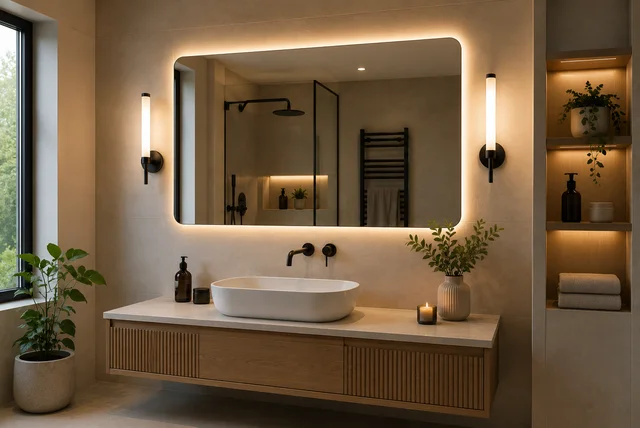
It is 7:15 on a busy Monday morning. You stand in front of the bathroom mirror, trying to shave, fix your hair, or apply makeup before rushing out the door. But something feels wrong. The ceiling light is bright, yet your face still looks covered in shadows. Sound familiar? The problem may not be your mirror. It may be the way the bathroom is lit. The right bathroom mirror lighting ideas can completely change that everyday moment. Good lighting makes grooming easier, gives a small room more depth, and can even make an ordinary bathroom feel like a calm hotel bathroom. From simple lights over the mirror to bathroom sconces, LED mirrors, warm lighting and clever side lighting, there are many ways to create a better setup. In this guide, we will look at practical ideas that work for UK bathrooms, including small bathrooms and tiny ensuites. We will also cover brightness, colour temperature, CRI and safety so your new lighting looks good and works properly.
1. Put Bathroom Mirror Lights on Both Sides
Sometimes, the best lighting idea is the one that simply puts light where you need it. Imagine standing at your bathroom mirror with a bright ceiling light directly above you. Your forehead catches the light, but your eyes, cheeks and chin remain darker. This can make shaving or applying makeup surprisingly difficult. Bathroom mirror lights on both sides can solve much of this problem. Two matching wall lights or sconces placed on either side of the mirror can spread light across your face instead of throwing it down from one direction. Homes & Gardens also highlights side lighting as a useful way to reduce the shadows that can appear with overhead lighting. For a balanced look, choose fixtures with diffused shades rather than very harsh bare bulbs. This idea works especially well around a round mirror, where two vertical lights can create a neat frame. If you are planning lighting beyond the bathroom, our guide to home lighting ideas for UK homes can help you think about lighting as part of the whole house rather than one room at a time.
Image source: Unsplash
2. Try a Slim Light Above the Mirror
When there is no room beside the mirror, look up. A slim light above the mirror can be one of the easiest bathroom vanity lighting ideas to use, especially in a narrow UK bathroom where every centimetre matters. Picture a simple white bathroom with a rectangular mirror over the basin and one clean horizontal light sitting above it. The wall stays uncluttered, while the mirror area receives useful illumination. A light above the mirror can be particularly practical when there is a cabinet, wall or shower enclosure close to one side of the basin. The important part is choosing a fixture that spreads light rather than producing one harsh beam directly onto your forehead. A very small fitting may disappear above a large mirror, while an oversized bar can make a compact mirror look unbalanced. You can also combine the fitting with general ceiling lighting so it does not have to illuminate the entire room by itself. If you are updating other parts of your home at the same time, these modern ceiling light ideas offer more ways to create a clean and modern lighting plan.
Image source: Unsplash
3. Choose an Illuminated Bathroom Mirror
There is something special about a mirror that seems to glow by itself. You walk into the bathroom, switch on the light and the mirror becomes the main feature of the room. An illuminated bathroom mirror is a popular choice for modern bathrooms because it combines two jobs in one fitting: the mirror and the light. There are two main effects to consider. A front-lit LED mirror sends light towards you and can be useful for grooming, while a backlit bathroom mirror sends a softer glow onto the wall behind it. The second option creates a floating effect and can make a bathroom feel more luxurious. However, a backlit mirror should not automatically be treated as the only light source. If you regularly apply makeup, shave or do detailed skincare at the mirror, you may still need direct task lighting. Re-Design’s bathroom lighting guidance also points out the difference between attractive rear glow and useful face-level illumination. For a wider look at LED lighting, you can also explore these LED lighting ideas and see how the same technology can create different moods around the home.

Image source: Unsplash
4. Use Bathroom Sconces for a Softer Look
Bathroom sconces can make a practical mirror wall feel much more personal. Imagine a pale bathroom with a round mirror, brushed-brass taps and two warm sconces glowing gently on either side. The difference is immediate. Instead of looking like a room built only for washing and getting ready, the bathroom starts to feel like part of the home’s interior design. Sconces are also flexible because they come in many shapes and finishes. Black wall lights can create contrast, brushed brass can bring warmth, and frosted or opal glass can soften the light. Hunker highlights wall-mounted sconces as a practical and decorative choice around bathroom vanities. When choosing one, think about where the light will fall. A beautiful fitting that shines directly into your eyes will become annoying very quickly. Look for diffused light and a suitable bathroom rating for the location. If you enjoy the look of wall lighting elsewhere, our guide to wall lights for living rooms shows how sconces can add character without taking up floor space.
Image source: Unsplash
5. Make a Small Bathroom Feel Bigger With Light
A small bathroom does not have to feel dark or boxed in. Think about a narrow bathroom where the basin sits against one wall and there is barely enough room for storage. Now imagine placing a large mirror above the basin and adding soft lighting around it. The reflective surface catches the light and helps spread brightness across the room, making the space feel more open. This is one reason small bathroom mirror lighting deserves more thought than simply adding the brightest bulb you can find. Slim LED fixtures, compact wall sconces and illuminated mirrors can provide useful light without taking up much physical space. Real Homes also recommends considering the amount of natural light entering the bathroom when planning the lighting scheme. In a very small room, try to avoid filling every wall with fixtures. One well-designed mirror light combined with suitable general lighting can often do more than several competing lights. If your bathroom is particularly compact, take a look at our small bathroom ideas for ways to make the wider space feel more comfortable.
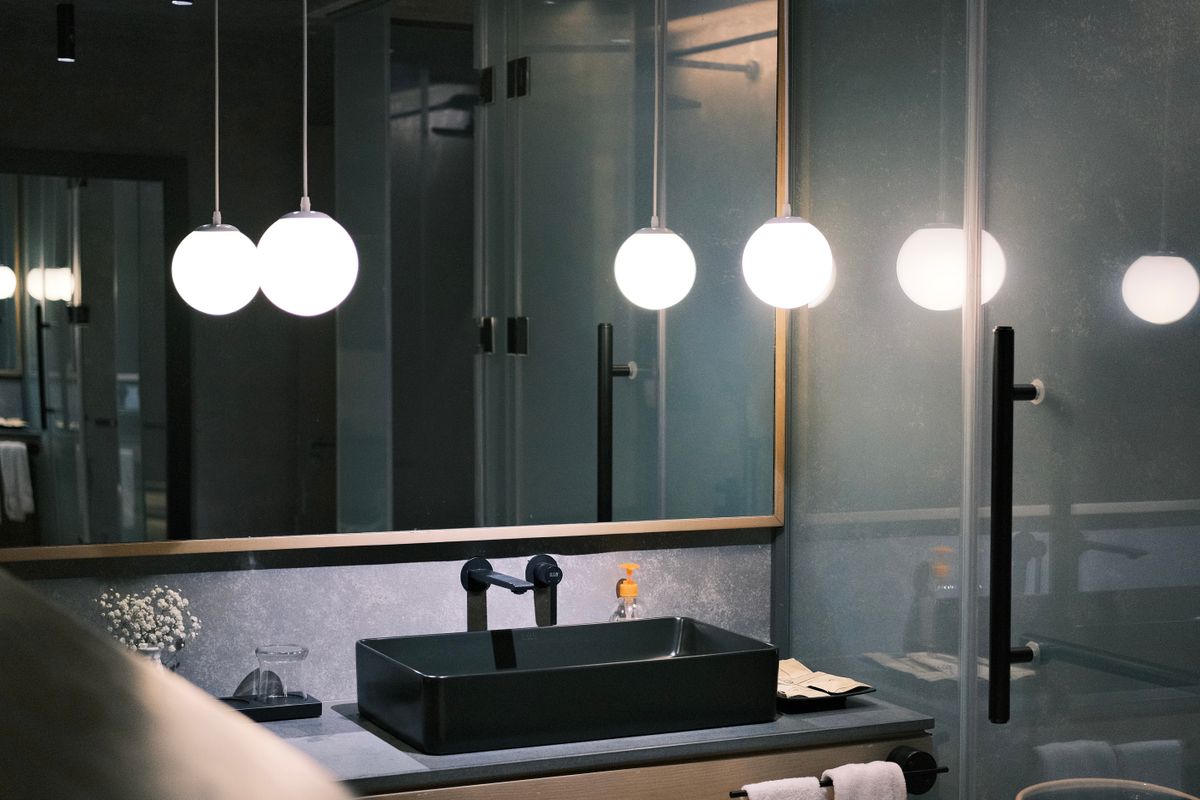
Image source: Unsplash
6. Add a Backlit Bathroom Mirror for a Hotel Feel
If you want your bathroom to feel like a quiet hotel at the end of a long day, try indirect light. A backlit bathroom mirror can create a gentle halo around the glass, making it appear to float a few centimetres away from the wall. This effect works beautifully with stone-effect tiles, textured walls and darker bathroom finishes. It is also useful at night because the softer glow can feel less aggressive than switching on every bright ceiling light. But there is an important difference between atmosphere and task lighting. A rear LED strip may create a beautiful wall glow without putting enough light on your face for shaving or makeup. That is why a backlit mirror often works best when paired with another source of direct light. Hansgrohe’s bathroom lighting guidance also distinguishes between general, direct and indirect illumination. If you want to take the hotel-style idea further, our guide to modern luxury bathroom ideas can help you connect the lighting with finishes, fittings and the rest of the room.

Image source: Unsplash
7. Pick the Right Colour Temperature
The colour of your bathroom light can change how the whole room feels. Picture two bathrooms with exactly the same tiles and mirror. In the first, the light is warm and golden, creating a cosy evening feeling. In the second, the light is cooler and cleaner, making the room feel brighter and more practical. Neither is automatically wrong. The right choice depends on how you use the space. Studio Matrx suggests around 4000K as a useful neutral choice for grooming, while warmer 3000–3500K lighting can create a more relaxed atmosphere. For a mirror used for shaving or makeup, a neutral white light can make it easier to see details. For a bathroom that doubles as a relaxing space, warmer ambient light can feel more comfortable. You can also combine the two: neutral task lighting around the mirror and warmer accent lighting elsewhere. This layered approach gives you more control rather than forcing one colour across the whole room. For more inspiration on changing the mood of a space with light, explore our ambient lighting ideas.
Image source: Unsplash
8. Look for High-CRI LED Bathroom Mirror Lighting
Brightness is not the only thing that matters when you stand in front of a bathroom mirror. Imagine choosing a makeup shade under a yellowish bathroom bulb, then stepping outside and realising the colour looks completely different. This is where CRI, or Colour Rendering Index, becomes important. CRI describes how naturally a light source shows colours compared with natural light. For a bathroom mirror used for makeup, skincare, shaving or checking clothes, a CRI of 90 or higher is a useful target. High-CRI LED bathroom lighting can make skin tones and other colours look more natural. Studio Matrx recommends high-CRI lighting for mirror areas for this reason. When shopping for an illuminated bathroom mirror or vanity light, do not look only at watts. Check the lumens, colour temperature, CRI and IP rating as well. A fitting with plenty of brightness but poor colour rendering may still leave you unhappy with the result. If you are interested in using LEDs for other everyday tasks, these wardrobe lighting ideas show another practical way to use focused lighting around the home.
Image source: Unsplash
9. Use Dimmable Lights for Morning and Night
Your bathroom needs can change dramatically between morning and bedtime. At seven in the morning, bright light can help you shave, apply makeup or get ready for work. At midnight, that same bright light can feel like someone has switched on a spotlight. Dimmable bathroom mirror lighting gives you a simple way to handle both situations. Turn the brightness up when you need clear task lighting and reduce it when you want a softer evening atmosphere. This is particularly useful in bathrooms shared by several people because everyone may prefer a different level of brightness. Smart lighting can take the idea even further, allowing brightness and sometimes colour temperature to be controlled from a switch, app or compatible voice system. Our guide to smart lighting ideas for the home explains how this type of flexible lighting can work in everyday spaces. One practical warning is worth remembering: make sure the LED fitting and dimmer are compatible. A mismatched combination can cause flickering, buzzing or poor dimming.
Image source: Unsplash
10. Layer the Mirror With Ceiling and Accent Lighting
A bathroom can feel much better when every light has a job. Think about walking into a well-planned bathroom. The ceiling light gives you enough general brightness to move around safely. The mirror light helps you see your face clearly. Then perhaps a soft LED strip under a floating vanity adds a gentle glow. Nothing feels too bright because each layer is doing something different. Studio Matrx describes this approach through three main layers: ambient, task and accent lighting. Mirror lighting is mainly task lighting because it supports close-up activities such as shaving and makeup. Ceiling lighting provides general illumination, while a niche, vanity or architectural detail can provide accent light. This approach also makes the room more flexible. You can use all three layers when cleaning, the mirror and ceiling lights during your morning routine, and just a soft accent light at night. If you enjoy lighting that becomes a feature rather than simply a necessity, these statement lighting ideas for the home offer more inspiration for creating a considered lighting scheme.
Image source: Unsplash
11. Match the Lighting to Your Mirror Shape
The shape of the mirror can quietly decide which lighting arrangement looks best. A large round mirror, for example, already has a strong visual presence. Add two simple vertical sconces on either side and the result can feel balanced and intentional. A wide rectangular mirror may work better with a slim horizontal light above it or a continuous front-lit LED design. The key is to think about the mirror, basin and light as one group rather than three separate purchases. A very small fitting above a large mirror can look lost, while oversized sconces can dominate a compact basin area. The finish matters too. Black lights can echo black taps and frames, while brass or brushed metal can add warmth to a neutral bathroom. If you are still exploring mirror shapes and placements around the home, our guides to wardrobe mirror ideas and aesthetic bedroom mirror ideas can provide additional inspiration. The best bathroom mirror and light ideas usually look as though they were planned together from the beginning.
Image source: Unsplash
12. Try Pendant Lights Beside the Mirror
If you want your bathroom to look a little less predictable, pendant lighting can make a strong statement. Imagine two slim pendants hanging beside a large mirror, casting warm light over a stone-effect vanity. The arrangement feels more like a carefully designed interior than a basic bathroom. Pendant lights can work especially well in bathrooms with higher ceilings, where there is enough vertical space to make the fixtures part of the design. However, this is one area where appearance must never come before safety. Bathroom fittings need to be suitable for their exact location and level of exposure to water. Hansgrohe’s bathroom lighting guidance stresses the importance of appropriate protection and suitable fittings. Before installing pendant lights close to a basin, bath or shower, check the manufacturer’s instructions and current UK requirements, and use a qualified electrician where appropriate. If you enjoy decorative lighting that adds personality to a room, our guide to decorative lighting ideas can also give you ideas that translate into a bathroom setting.
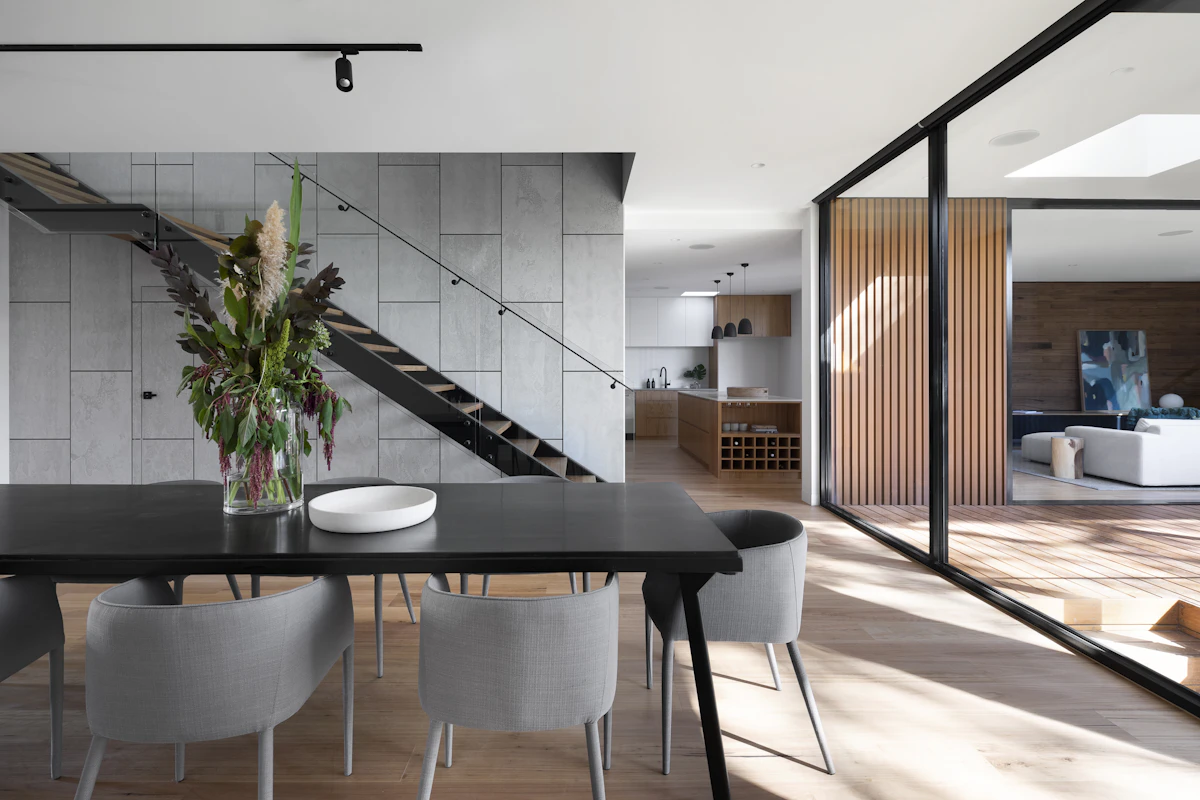

Image source: Unsplash
13. Give a Tiny Ensuite a Simple Lighting Plan
When an ensuite is tiny, simplicity becomes your best friend. There may be barely enough wall space for the basin, toilet and shower, so adding several large fittings can quickly make the room feel crowded. Start with the mirror because that is where you need the most useful light. A compact illuminated mirror or two slim wall lights can provide face-level illumination without taking over the room. Then use one suitable ceiling fitting for general light. If you have a floating vanity, a discreet LED strip underneath can add a soft glow for nighttime visits without flooding the whole room with brightness. This is also where good storage and lighting can work together. Our guides to tiny ensuite ideas and tiny bathroom storage ideas can help you think about the wider layout. Remember that a small bathroom does not need the brightest possible bulb. It needs light in the right places, with enough general illumination to make the room comfortable and safe.
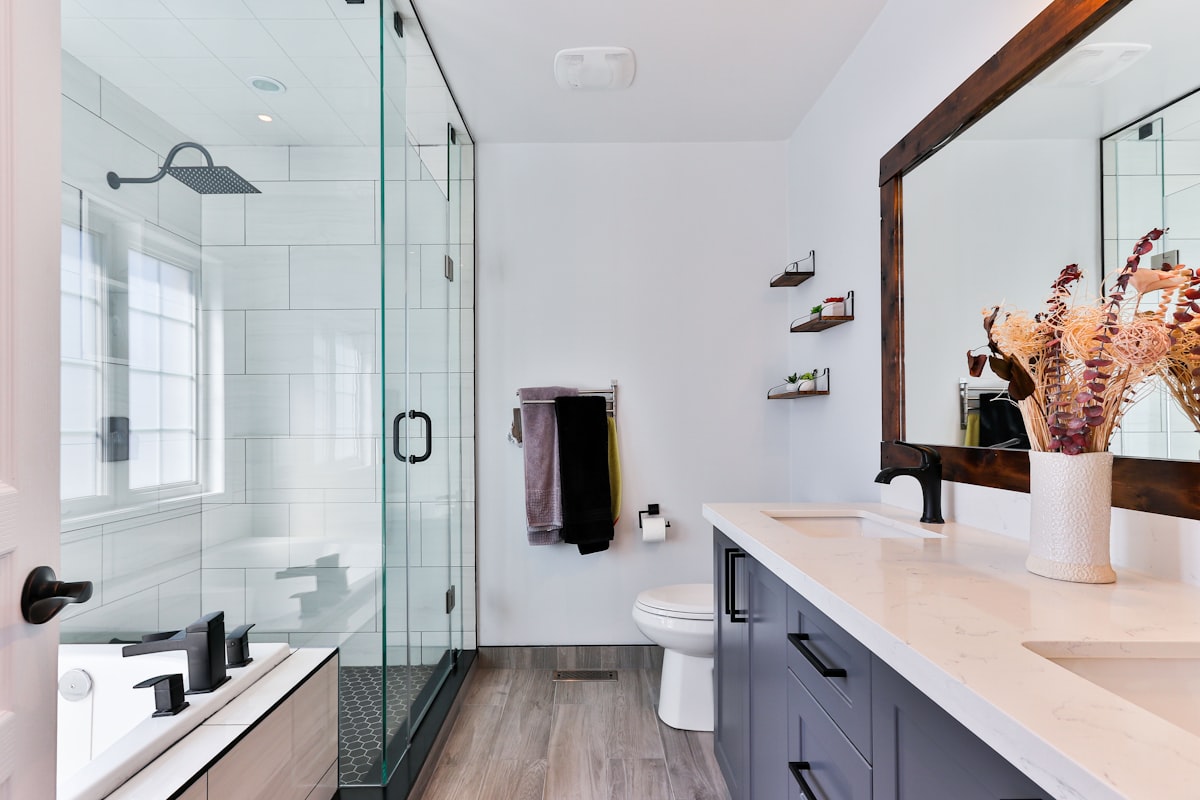
Image source: Unsplash
14. Think About Bathroom Safety Before Style
The prettiest bathroom light in the shop is not the right choice if it is unsuitable for your installation area. Water and electricity need careful planning, especially around showers and baths. IP ratings indicate how well a light fitting is protected against intrusion such as water, and the required level depends on where the fitting is installed. This means you should never choose a fitting simply because it looks good in a photograph. Check its manufacturer’s instructions and make sure it is designed for the intended bathroom location. For UK homeowners and renters, electrical work should follow current UK requirements, and installation should be handled by a suitably qualified professional when required. Checkatrade also stresses the importance of planning bathroom lighting early, particularly during renovation work. This is useful advice because moving electrical points after tiling can become much harder and more expensive. Treat safety as part of the bathroom lighting design from the beginning. A well-designed fitting should look good, provide the right light and be suitable for its environment.
Image source: Unsplash
15. Choose Lighting That Fits Your Daily Routine
After all the trends, measurements and lighting terms, one question matters most: how do you actually use your bathroom? Perhaps you stand at the mirror every morning applying makeup before work. Perhaps your bathroom is mainly used for quick showers and getting ready for school. Or perhaps it is your quiet place at night, where a warm glow feels much nicer than bright white light. Your answer should guide the design. Use direct task lighting where your face needs it, general lighting for the rest of the room, and accent lighting where it adds atmosphere. A beautiful backlit mirror may be perfect for a relaxing ensuite, while side sconces may be more useful for someone who spends a lot of time grooming. If you are planning a larger bathroom makeover, our luxury bathroom ideas for UK homes can help you connect your lighting choices with finishes, storage and fittings. Good bathroom lighting should quietly make your routine easier. When you stop noticing the shadows and start noticing how comfortable the room feels, you know you have made the right choice.
Image source: Unsplash
Bathroom Mirror Lighting Facts to Know
A few numbers can make choosing bathroom lighting much less confusing. Studio Matrx suggests around 300–500 lux at the mirror for face-level grooming tasks, while general bathroom areas can need less. For colour temperature, around 4000K can provide a clean, neutral light for grooming, while 3000–3500K can create a warmer and more relaxed atmosphere. A CRI of 90 or above is a useful target when accurate skin and colour appearance matters. LED lighting is also attractive for energy efficiency. ENERGY STAR says LED lighting can use up to 90% less energy than incandescent lighting. Lumens are another useful number because they tell you how much visible light a fitting produces. However, these figures should be treated as planning guidance rather than universal rules. The size of your bathroom, amount of daylight, mirror design, fixture shade and your own eyesight can all affect the final result. When comparing fittings, look at the complete specification rather than choosing based on wattage alone.
Image source: Unsplash
Final Thoughts on Bathroom Mirror Lighting Ideas
Think back to that Monday morning when the bathroom mirror left your face covered in shadows. A small change in lighting could have made the whole routine easier. That is the real value of good bathroom mirror lighting. It is not simply about making a beautiful room look brighter. It is about putting light where you need it, choosing a colour that feels comfortable, and creating enough flexibility for both busy mornings and quiet evenings. Side sconces, front-lit LED mirrors, backlighting, dimmers and layered lighting can all work well when chosen for the way your bathroom is used. For most homes, the best approach is to combine useful task lighting around the mirror with comfortable general and accent lighting elsewhere. Always check product specifications and current UK safety requirements before installation. If you are planning your own bathroom refresh, start with the mirror and your daily routine, then build the lighting around them.
About the Author
Daily Lifestyle Guide is a home and lifestyle resource created to make everyday decorating and home improvement ideas easier to understand. Our content focuses on practical ideas for lighting, bathrooms, bedrooms, storage and home décor, with simple advice that homeowners and renters can use in real life. For this article, we researched bathroom mirror lighting styles, LED options, lighting placement, colour temperature, CRI, brightness and safety considerations using information from established home, lighting and trade sources. Our goal is to explain these ideas in clear language so readers can make more informed choices for their own homes. Where technical or safety information is involved, readers should always check current UK guidance and seek professional advice when necessary.
Disclaimer
The information in this article is provided for general informational and home-design purposes only. Lighting recommendations, product specifications, brightness figures, colour temperatures, IP ratings, prices, regulations and other technical details may change over time. We collect information from available sources and make reasonable efforts to present it accurately, but we do not guarantee that every detail remains current or suitable for every property. Bathroom electrical installations can involve serious safety risks, so readers should follow the manufacturer’s instructions, current UK requirements and professional electrical advice where appropriate. The article does not replace advice from a qualified electrician or other relevant professional. Always check the latest information before purchasing or installing bathroom lighting.
Frequently Asked Questions About Bathroom Mirror Lighting
What is the best lighting for a bathroom mirror? Side sconces and front-lit LED mirrors are among the most practical choices because they can put useful light close to face level. A light above the mirror can also work well when it provides even, diffused illumination. Avoid relying only on a ceiling light behind you because it can create unwanted facial shadows.
How much light does a bathroom mirror need?
A useful planning guide is around 300–500 lux at face level for grooming tasks such as shaving and makeup. However, this is not a universal requirement for every bathroom. Natural daylight, room size, mirror design, fixture brightness and personal preference all affect the final choice. The main goal is clear, even light without uncomfortable glare.
Is 4000K good for bathroom mirror lighting?
Yes. Around 4000K gives a neutral white light that can work well for grooming and detailed tasks. If you want a warmer, more relaxing bathroom, 3000–3500K can work better for ambient lighting. You can combine neutral light around the mirror with warmer accent lighting elsewhere to create both practical and relaxing settings.
Why does my bathroom mirror lighting create shadows?
Shadows commonly appear when the main light comes directly from above or behind you. Your head and body can block the light before it reaches your face. Bathroom mirror lights on both sides can help by bringing illumination closer to face level and spreading it more evenly across the eyes, cheeks and chin.
Are backlit bathroom mirrors bright enough for makeup?
Not always. A backlit bathroom mirror can create a beautiful soft glow, but rear lighting may not provide enough direct illumination for detailed makeup or shaving. If grooming is a major use of the mirror, consider a front-lit LED mirror or additional bathroom sconces on the sides. This combines practical light with the decorative backlit effect.
What IP rating should bathroom mirror lights have?
The correct IP rating depends on where the light is installed and how much water exposure it may receive. Areas close to showers and baths require greater protection than drier areas. Always check the manufacturer’s instructions and current UK requirements before installation, and use a suitably qualified electrician for electrical work where required.