
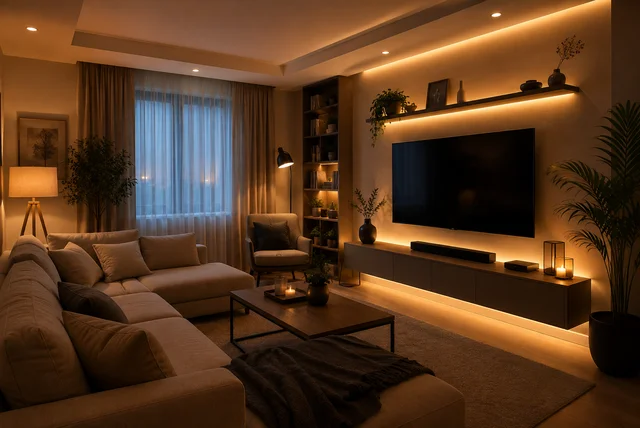

Have you ever walked into someone’s living room and instantly felt calm, even before sitting down? It isn’t always the expensive sofa, the designer coffee table, or the perfect wall colour that creates that feeling. More often, it’s the lighting. Imagine coming home after a long day in the rain, making a cup of tea, and settling onto your sofa while a soft, warm glow fills the room instead of one harsh ceiling light. That comforting atmosphere is exactly what ambient lighting living room design is all about. It turns an ordinary space into a place where family gathers, friends feel welcome, and quiet evenings become something to look forward to. Whether you’re updating a modern apartment or refreshing a traditional UK home, choosing the right lighting can completely change how your living room looks and feels. In this guide, you’ll discover practical ideas, expert-backed tips, and modern inspiration that make it easy to create a brighter, cosier, and more welcoming living space without making your room feel overcrowded or overly bright.
| Quick Overview | Recommendation |
|---|---|
| Best Colour Temperature | 2700K–3000K Warm White |
| Recommended Lighting Style | Layered Lighting (Ambient + Task + Accent) |
| Ideal Bulb Type | Dimmable LED |
| Suggested CRI | 90+ for natural colours |
| Average Brightness | 1,500–3,000 lumens for most living rooms |
| Best Smart Feature | Custom lighting scenes and dimming control |
Why Ambient Lighting Is the Secret Behind Every Comfortable Living Room
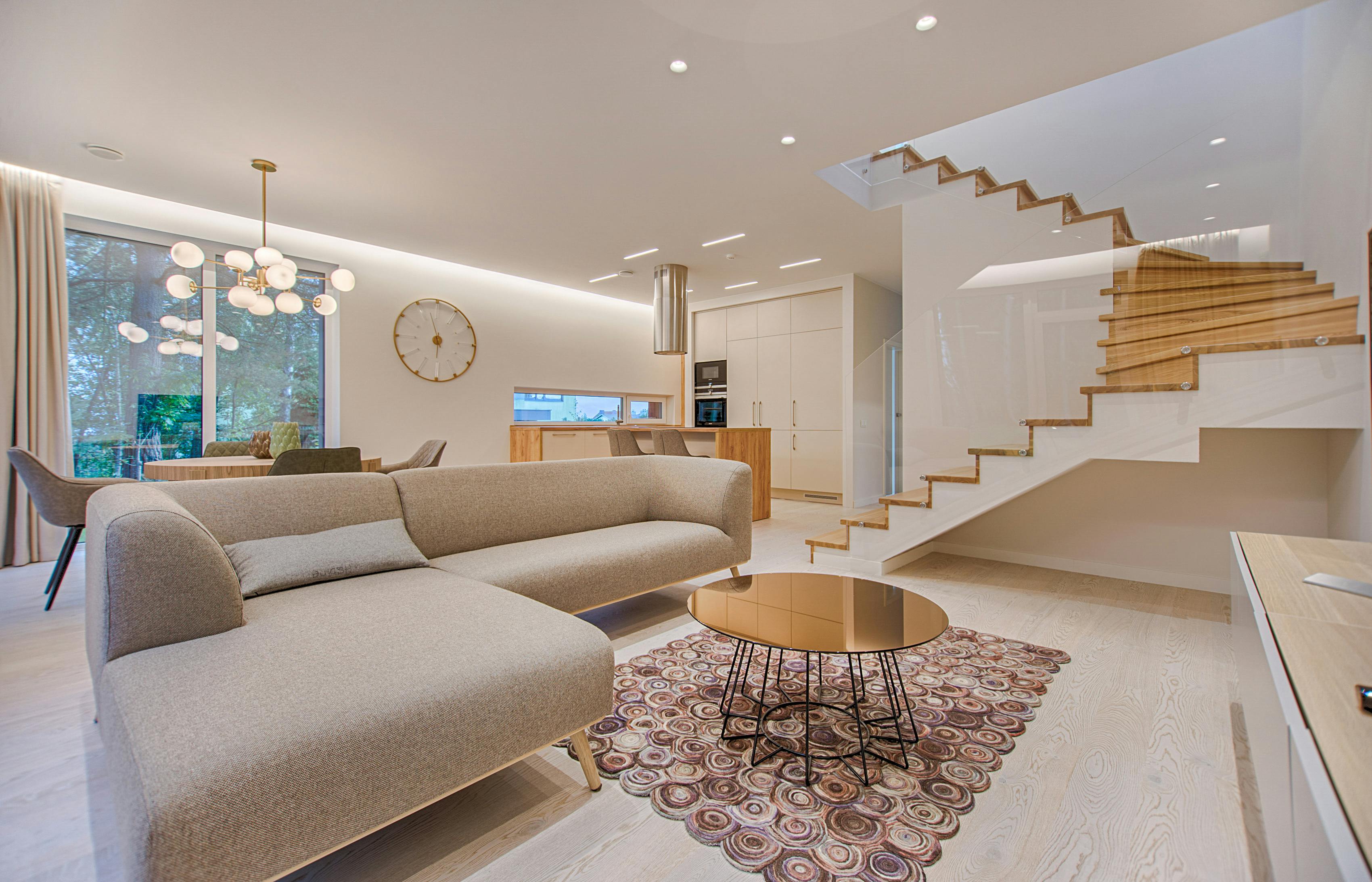
Image source: pexels.com
Think about the last family movie night you enjoyed. Chances are, nobody wanted a bright ceiling light shining directly into their eyes. Instead, the room probably felt warm, relaxing, and inviting because the lighting was soft and balanced. That is exactly what ambient lighting does. It creates the main layer of light that lets everyone move around comfortably while making the room feel peaceful rather than clinical. Interior designers often call this the foundation of good lighting because every other light builds on it. Instead of depending on one powerful ceiling fixture, today’s modern living room lighting combines ceiling lights, floor lamps, wall sconces, and hidden LED strips to spread light evenly throughout the space. Studies and lighting professionals also recommend warm white bulbs between 2700K and 3000K because they create a cosy atmosphere that encourages relaxation after a busy day. If you’re planning a complete makeover, our Living Room Planning Guide is a great place to start before choosing fixtures.
Another reason ambient lighting feels so comfortable is that it reduces harsh shadows. Instead of creating bright spots and dark corners, multiple light sources gently fill the room from different angles. This approach is known as layered lighting, and it combines ambient, task, and accent lighting for the best results. Experts also recommend using high-quality LED bulbs with a Colour Rendering Index (CRI) of 90 or above, allowing furniture, artwork, and paint colours to appear more natural. Modern LEDs can use around 75% less energy than traditional incandescent bulbs while lasting between 15,000 and 25,000 hours, making them both economical and environmentally friendly. These small choices can completely transform how your living room looks every evening without requiring a major renovation.
Living Room Ambient Lighting Ideas That Instantly Make Your Space Feel Bigger and Cosier
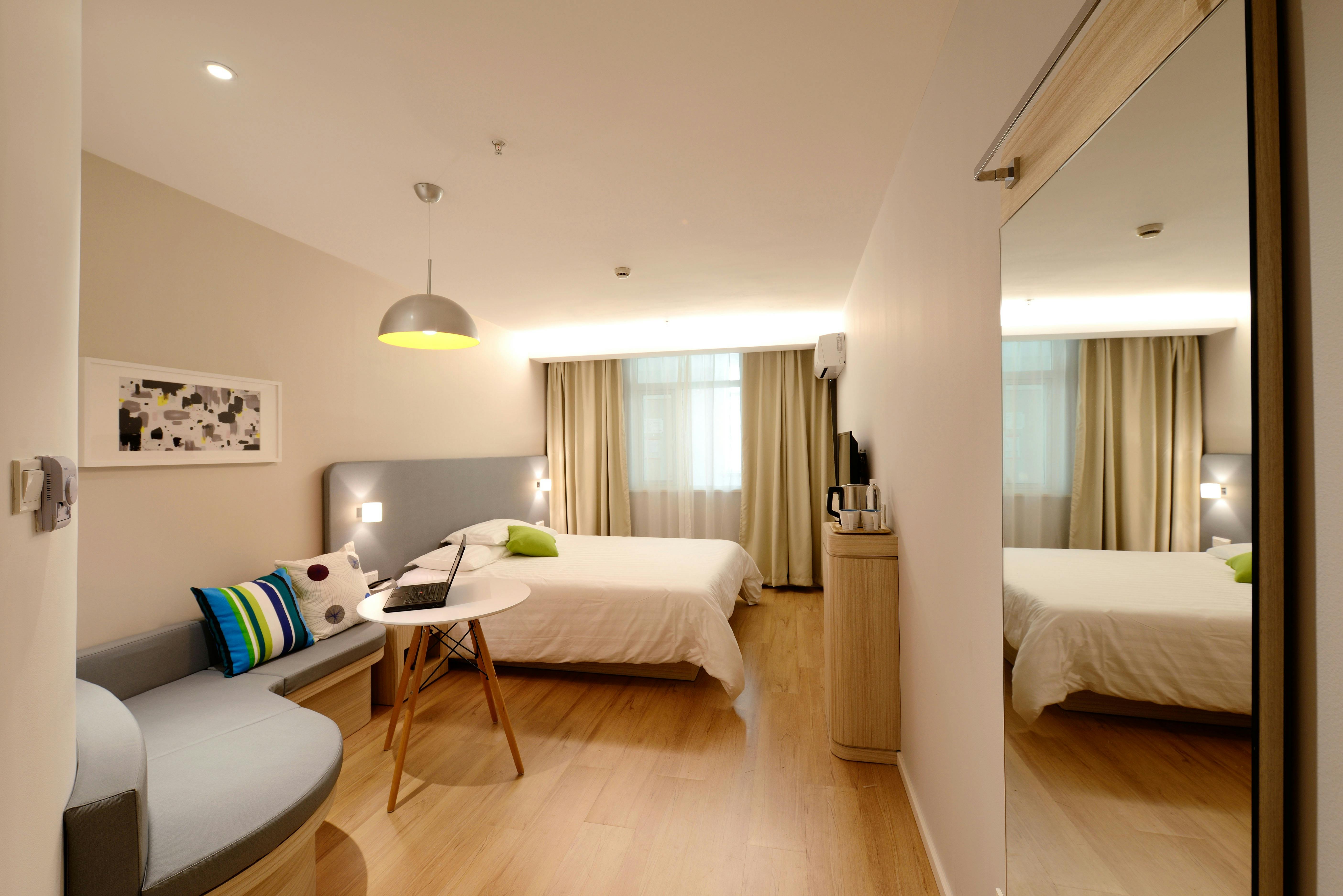
Image source: pexels.com
Sarah recently moved into a small semi-detached home in Manchester. Her living room wasn’t tiny, but every evening it felt darker than she expected. At first, she thought she needed a brighter ceiling light. Instead, she discovered that adding a floor lamp beside the sofa, installing LED strip lights behind the television, and placing a table lamp near the reading chair completely changed the atmosphere. The room suddenly felt larger, warmer, and far more welcoming without increasing the overall brightness too much. This is one of the smartest living room ambient lighting ideas because it spreads light around the room instead of concentrating it in one place. Hidden LED strips can also create beautiful indirect lighting by reflecting light from ceilings or walls, reducing glare while adding a premium designer look. If you’re decorating a compact home, you may also find inspiration in our Small Living Room Lighting Ideas UK guide.
Creating a cosy atmosphere isn’t only about adding more lights—it is about placing them thoughtfully. Floor lamps brighten forgotten corners, wall sconces save valuable floor space, and recessed lighting provides a clean, modern appearance without drawing attention to the fixtures themselves. Mirrors placed opposite windows help reflect natural daylight deeper into the room, making even smaller spaces feel more open. Smart lighting systems can also save energy by allowing you to switch between reading, entertaining, and movie-night scenes with a single tap on your phone or a voice command. When choosing LED ambient lighting, try to keep the same warm colour temperature throughout the room. Mixing cool and warm bulbs often creates an uneven look that can make even the most beautiful living room feel disconnected rather than relaxing.
How to Layer Lighting Like an Interior Designer Without Spending a Fortune
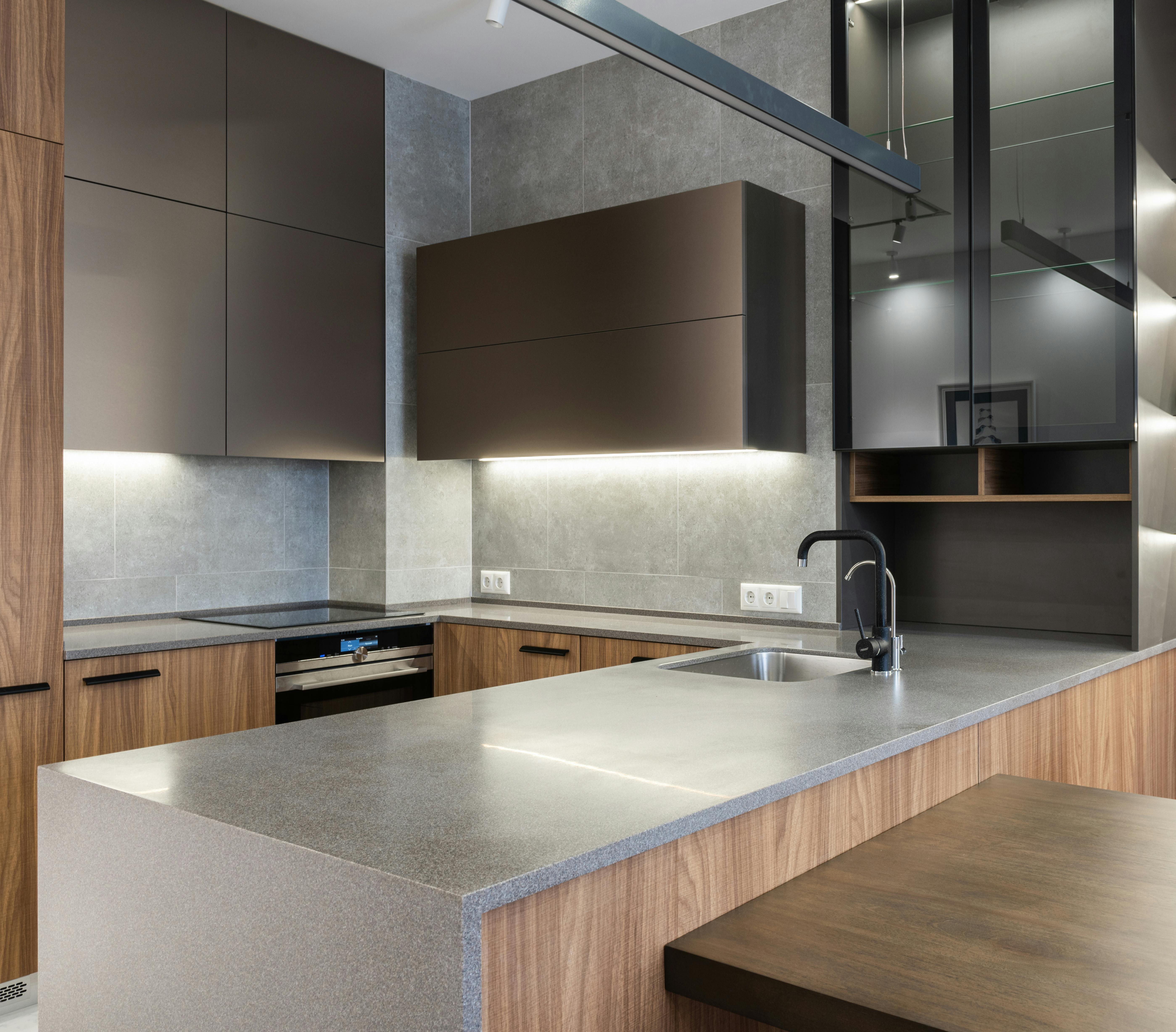
Image source: pexels.com
Many people believe beautiful lighting only belongs in luxury homes shown in magazines, but the truth is much simpler. Imagine inviting friends over for dinner. As they walk into your living room, they notice the soft glow from a floor lamp beside the sofa, gentle wall lights highlighting your favourite artwork, and hidden LED strips giving the shelves a floating effect. Nothing feels too bright, yet every corner looks warm and welcoming. That feeling comes from layered lighting, one of the easiest ways to improve a living room without replacing every fixture. Professional designers almost always begin with ambient lighting, then add task lighting where people read, work, or play games, and finally finish with accent lighting that highlights decorative features. Instead of investing in expensive designer fittings, you can mix affordable floor lamps for living room spaces, table lamps, wall sconces, and dimmable LEDs to achieve a similar result. If you’re redesigning your entire space, our Living Room Interior Design Guide UK explains how lighting fits naturally into a well-planned room.
One common mistake homeowners make is placing every light at the same height. Rooms become much more interesting when light comes from the ceiling, walls, tables, and floor together. Uplighting can make ceilings appear higher, while soft downlighting creates practical illumination for everyday activities. Recessed lighting works beautifully in modern homes because it provides clean, even light without taking visual attention away from furniture or décor. If your budget allows, install dimmer switches with compatible LED bulbs. They let you change the mood instantly, whether you’re watching television, entertaining guests, or relaxing with a book. Designers also recommend aiming for around 1,500–3,000 lumens of total ambient brightness in an average living room, increasing this amount for larger spaces or rooms with darker walls. The goal isn’t simply to make the room brighter—it is to make every moment spent there feel more comfortable.
Modern Living Room Lighting Trends Worth Trying in 2026
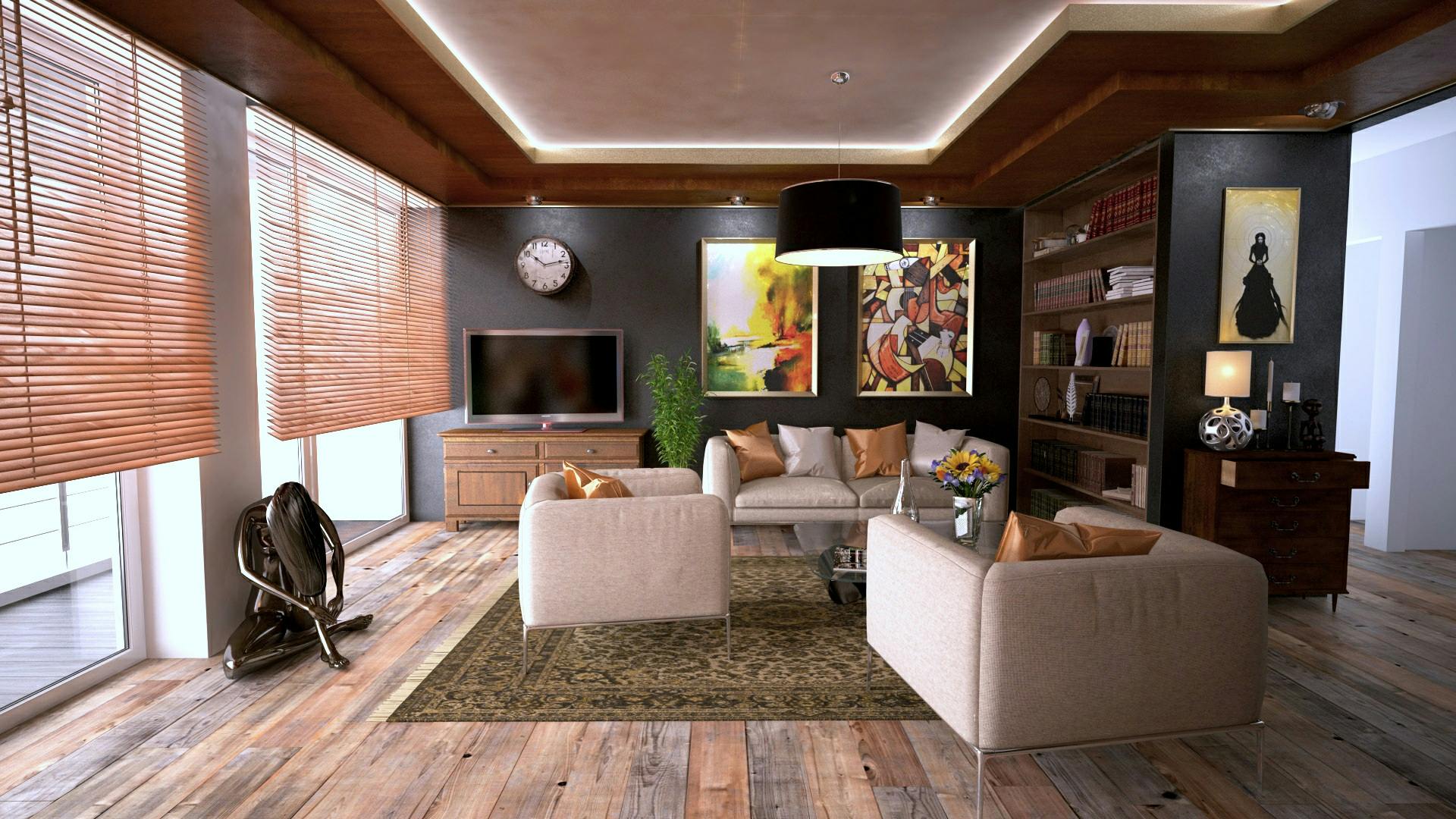
Image source: pexels.com
Lighting trends have changed dramatically over the last few years. Homeowners are moving away from a single bright ceiling fixture and choosing lighting that adapts to everyday life. Picture a typical Friday evening. Earlier in the day, your living room was bright enough for working from home. Later, with one tap on your phone, the lights become warmer and softer for a family film night. That flexibility explains why smart lighting living room systems have become so popular. Smart LED bulbs can be controlled through mobile apps or voice assistants, allowing you to create different lighting scenes for reading, entertaining, gaming, or relaxing. Hidden LED strip lights living room installations behind televisions, floating shelves, and ceiling coves are also becoming a favourite because they provide beautiful indirect lighting without visible fixtures. If you’re updating your décor too, our Modern Living Room Ideas article offers additional inspiration that pairs perfectly with contemporary lighting.
Another growing trend is choosing lighting that supports comfort as much as style. Warm white LEDs between 2700K and 3000K remain the preferred choice because they create a relaxing atmosphere, while high-CRI bulbs above 90 help fabrics, artwork, and paint colours appear more vibrant and true to life. Oversized pendant lights continue to make a statement above seating areas, but designers recommend keeping them proportional to the room size so they enhance rather than overwhelm the space. Matte finishes are also replacing glossy ones because they reduce glare and create softer reflections. Meanwhile, energy-efficient LEDs continue to dominate the market thanks to their long lifespan of up to 25,000 hours and significantly lower energy consumption compared with traditional incandescent bulbs. These modern upgrades show that today’s lighting is not just about seeing better—it is about creating a home that feels comfortable from morning until bedtime.
Choosing the Best Ambient Lighting Fixtures for Every Living Room Style
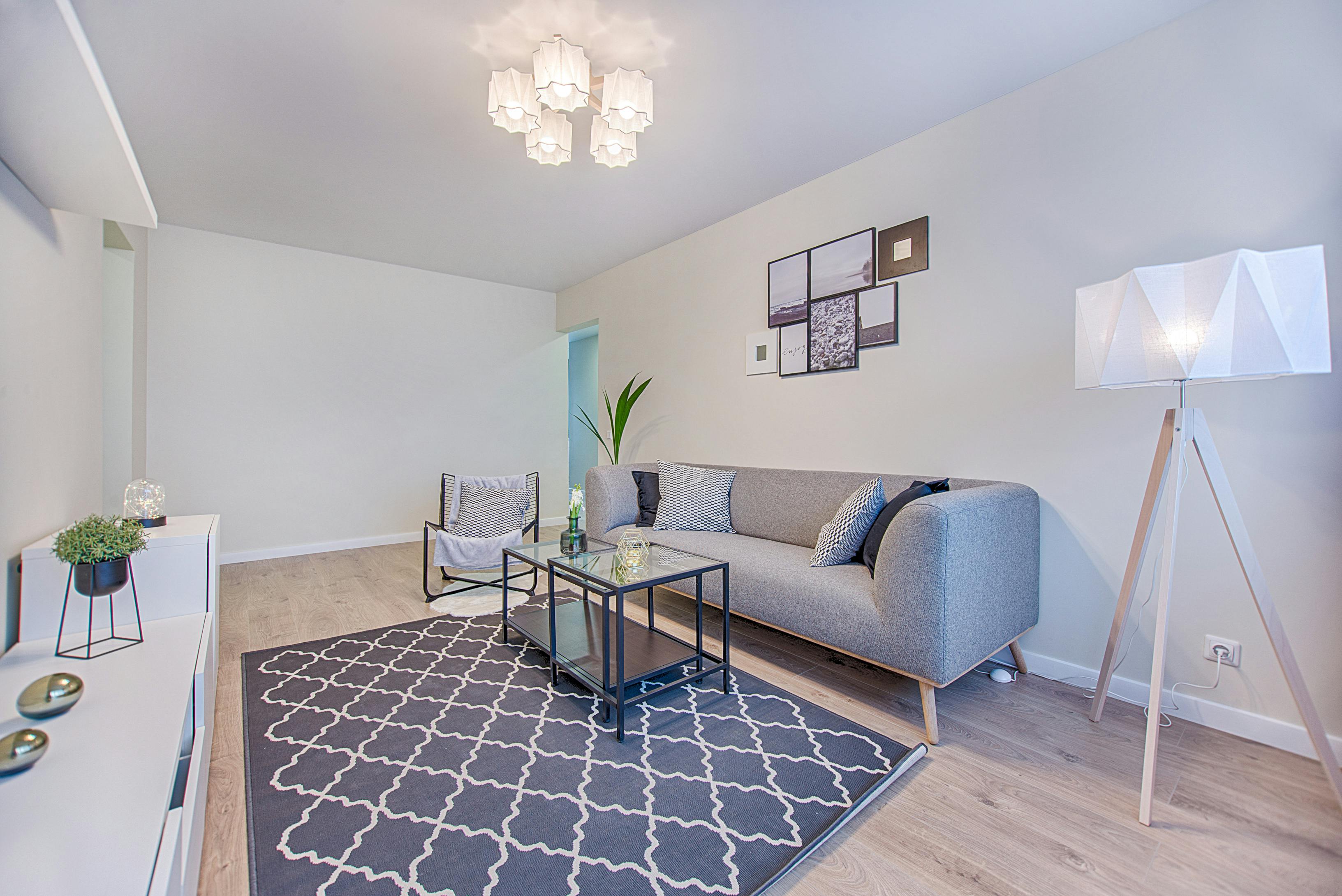
Image source: pexels.com
Every living room tells a different story. Some families love quiet evenings with books, while others enjoy entertaining guests every weekend. Because every home is unique, there isn’t a single perfect lighting fixture that works everywhere. Instead, the best results come from combining several carefully chosen options. If your room has low ceilings, recessed lighting living room designs offer clean, even illumination without making the ceiling feel crowded. Homes with traditional décor often benefit from elegant wall sconces, while modern spaces look stunning with slim floor lamps and concealed LED strips. If you love changing the atmosphere throughout the day, dimmable living room lights give you complete control over brightness. Before buying new fixtures, it also helps to consider your furniture layout. Our Living Room Layout Ideas guide explains how furniture placement and lighting should work together to create a balanced, welcoming space.
When choosing fixtures, think beyond appearance. A beautiful pendant light may look impressive, but it should also distribute light evenly across the room. Dark corners often benefit from tall floor lamps, while artwork and shelving become more eye-catching when illuminated with adjustable accent lights. If your walls are painted in lighter shades such as cream or soft grey, they naturally reflect more light, helping the room feel brighter without adding extra fixtures. Darker colour schemes usually require additional layers of lighting to maintain warmth and visibility. Finally, keep bulb colour temperatures consistent across every fixture. Mixing cool white and warm white bulbs can make the room appear uneven and uncomfortable. By choosing practical, energy-efficient fixtures that complement your home’s style, you create a living room that looks beautiful not only in photographs but also in everyday life.
Common Ambient Lighting Mistakes That Can Make Your Living Room Feel Uncomfortable

Image source: pexels.com
James had spent weeks choosing the perfect sofa, a stylish coffee table, and beautiful artwork for his living room. Yet every evening, something still felt wrong. The room looked flat, shadows filled the corners, and guests often commented that the space felt colder than expected. The problem wasn’t the furniture—it was the lighting. One bright ceiling light was doing all the work. This is one of the most common mistakes homeowners make when planning ambient lighting living room designs. Relying on a single fixture creates harsh shadows and uneven brightness, making even an expensive room feel less inviting. Another mistake is mixing cool white and warm white bulbs in the same space, which creates an inconsistent appearance. Lighting experts also recommend avoiding fixtures that are too small for the room, as they struggle to provide balanced illumination. If you’re refreshing your décor as well as your lighting, our Living Room Decorating Lights guide offers more ideas for creating a welcoming atmosphere.
Another issue many people overlook is ignoring natural daylight. Heavy curtains that stay closed throughout the day force artificial lights to work harder, while mirrors placed opposite windows can reflect sunlight and brighten the room naturally. Dark corners are another common problem, but they are easy to fix with floor lamps or wall sconces placed at different heights. Experts also suggest installing dimmer switches whenever possible because the ideal brightness changes throughout the day. Reading a book, watching television, entertaining guests, and relaxing before bed all require different lighting levels. Finally, avoid buying bulbs based only on wattage. Instead, compare lumens for brightness and choose LEDs with a Colour Rendering Index (CRI) of 90 or above so your furniture, artwork, and wall colours look their best. Small improvements like these can completely change how your living room feels every single day.
Creating a Warm and Relaxing Living Room You’ll Love Coming Home To
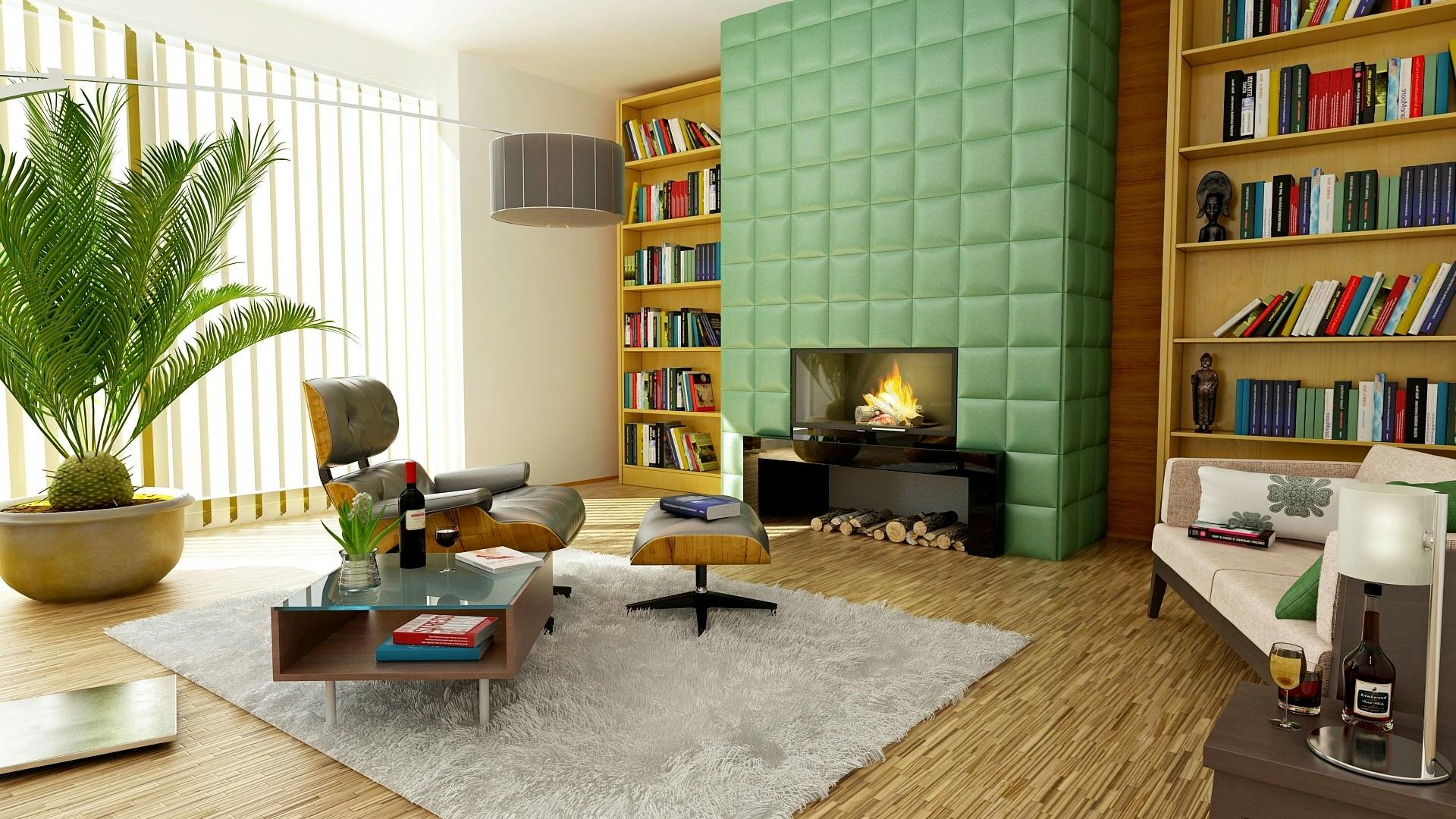
Image source: pexels.com
Think about your favourite evening at home. Perhaps it was a rainy Sunday spent reading a novel, a family Christmas gathering, or simply relaxing on the sofa after a busy week. Those memorable moments often have one thing in common—a room that feels warm, peaceful, and welcoming. That is exactly what great cozy living room lighting can create. By combining warm lighting for living room spaces with carefully placed lamps, indirect LED strips, and dimmable fixtures, you build an atmosphere that feels comfortable every day of the year. Remember, lighting is not only about seeing clearly; it is about creating emotions. Start with a strong ambient layer, add task lighting where needed, and finish with subtle accent lighting that highlights your favourite features. If you’re planning a complete room makeover, you’ll also enjoy our Best Living Room Ideas UK for Stylish Modern Homes, where you’ll find more inspiration for combining lighting, furniture, and décor into one beautiful space.
The best part is that creating a beautiful living room doesn’t always require a major renovation or a large budget. Replacing outdated bulbs with warm, energy-efficient LEDs, adding a floor lamp to a dark corner, or installing hidden LED strips behind your television can dramatically improve both the appearance and comfort of your home. Smart lighting systems allow you to switch from bright daytime settings to relaxing evening scenes with a simple voice command, while dimmable lights give you complete control over the mood. By following the simple principles shared throughout this guide—balanced lighting, consistent colour temperatures, thoughtful fixture placement, and energy-efficient technology—you can create a living room that looks stylish, feels inviting, and remains practical for everyday family life.
Final Thoughts
A well-designed living room is not only about beautiful furniture or stylish décor—it is about how the space makes you feel every day. The right ambient lighting living room setup can turn an ordinary room into a warm retreat where family gatherings, quiet evenings, and special memories naturally unfold. By combining layered lighting, warm LED bulbs, floor lamps, wall sconces, and smart lighting controls, you can create a space that is both practical and inviting. Remember, small improvements often make the biggest difference. Start with a few thoughtful changes, experiment with different lighting levels, and build a living room that reflects your personality and lifestyle. With careful planning, your living room can become one of the most comfortable and welcoming spaces in your home for years to come.
About the Author
Daily Lifestyle Guide Editorial Team is a group of home improvement, interior design, and lifestyle writers dedicated to helping UK homeowners create beautiful and practical living spaces. Every article is thoroughly researched using trusted industry sources, expert recommendations, and the latest home design trends to ensure readers receive accurate, easy-to-understand, and actionable advice. The team focuses on providing practical tips, inspiring ideas, and reliable information that help readers make confident decisions when decorating, renovating, and improving their homes.
Disclaimer
This article is based on reputable lighting guides, interior design resources, manufacturer recommendations, and publicly available information current as of June 2026. Product specifications, lighting technology, recommended lumen outputs, and design trends may change over time. Always check manufacturer guidance and consult a qualified electrician before installing or modifying electrical lighting systems.
Frequently Asked Questions
What is ambient lighting in a living room?
Ambient lighting is the main source of light that provides general illumination throughout a living room. It helps people move around comfortably while creating a warm and welcoming atmosphere. Most designers recommend combining ambient lighting with task and accent lighting for the best results.
What is the best colour temperature for a living room?
For most homes, warm white bulbs between 2700K and 3000K create the most comfortable environment. This range produces a cosy glow that is ideal for relaxing, watching television, reading, or spending time with family and friends.
How many lumens do I need for ambient lighting in my living room?
An average living room typically benefits from around 1,500 to 3,000 lumens of total ambient light. Larger rooms, higher ceilings, or darker wall colours may require additional brightness distributed across several fixtures instead of one powerful ceiling light.
Are LED strip lights good for living rooms?
Yes. LED strip lights are one of the most popular modern lighting options because they provide soft indirect lighting behind televisions, shelving, media units, and ceiling coves. They also consume very little energy while creating a stylish, contemporary appearance.
Should all living room lights be dimmable?
Whenever possible, yes. Dimmable lights make it easy to adjust brightness for different activities, from reading and entertaining to relaxing before bedtime. Just ensure your LED bulbs and dimmer switches are compatible.
Can smart lighting save energy?
Smart lighting systems can reduce unnecessary energy use by allowing scheduled operation, automatic timers, occupancy routines, and remote control. Combined with energy-efficient LED bulbs, they offer both convenience and lower electricity consumption.