
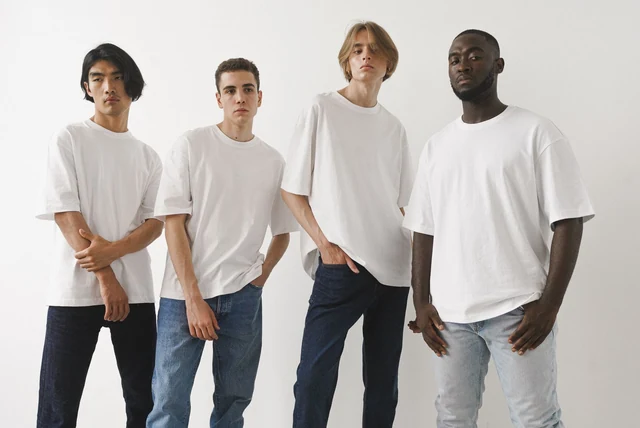

For about a decade there was one answer to what jeans a man should buy, and the answer was skinny. That era is comprehensively over, which is good news for almost everyone and briefly confusing for anyone who has not bought denim since. A proper mens jeans styles guide is mostly a guide to fit, because fit is the thing that decides whether jeans look considered or look like they were bought in a hurry. The washes and the details matter, but they matter second.
| Straight | The all-rounder. Same width from knee to hem. Suits nearly everyone |
|---|---|
| Tapered | Roomier thigh, narrower ankle. Best for athletic or muscular builds |
| Slim | Now means gently fitted, not skin-tight. Mid-rise with some taper |
| Relaxed / baggy | Room through thigh and seat, slight taper at the ankle |
| Bootcut | Slight flare below the knee. Niche now, but works over boots |
| 2026 direction | Relaxed still leads, but the emphasis moved from volume to proportion |
| Wash trend | Dark indigo is having a moment; heavy distressing is cooling off |
Straight Leg Is the Safe Default Again
Straight Leg Is the Safe Default Again
Image source: pexels.com
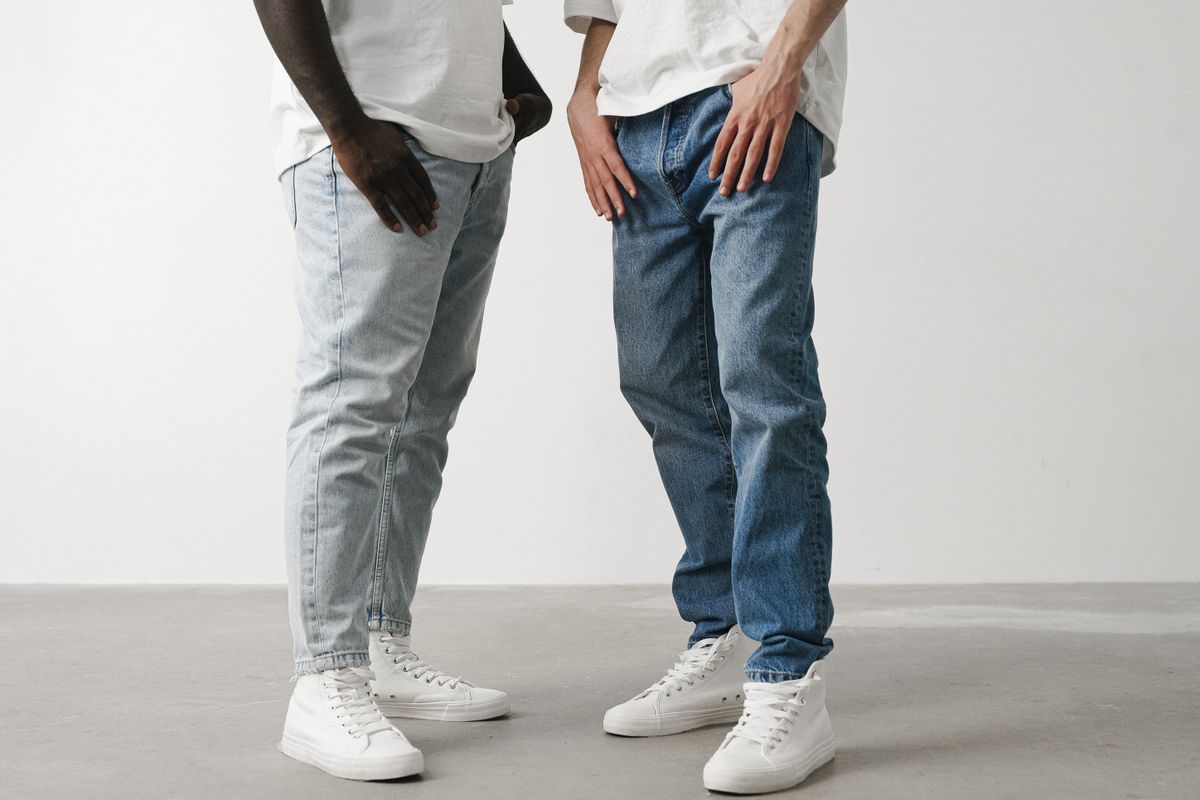
If you want one pair of jeans that works with almost anything, buy straight leg. It runs the same width from the knee down, which sounds unremarkable and is exactly why it works: nothing about the shape is making a statement, so the jeans get out of the way and let the rest of the outfit do the talking. Straight leg suits essentially every build, sits properly over both trainers and boots, and reads as neither dated nor trend-chasing. After years of skinny dominance it has quietly become the standard recommendation again, and it is the fit to buy first if you are rebuilding a denim rotation from scratch.
Tapered Solves the Problem Straight Leg Cannot
Tapered Solves the Problem Straight Leg Cannot
Image source: pexels.com
Tapered jeans are cut with room through the thigh and seat, then narrow progressively towards the ankle. That combination is specifically useful if you have muscular or larger thighs, because a straight leg sized to fit the thigh often ends up looking loose and shapeless from the knee down. Tapered fixes that without going anywhere near skinny. It is also the fit that works best with chunkier trainers, since the narrower hem sits neatly on the shoe rather than bunching over it. For a lot of men who assumed they were stuck between too tight and too baggy, this is the answer.
Slim Does Not Mean What It Used To
Slim Does Not Mean What It Used To
Image source: pexels.com
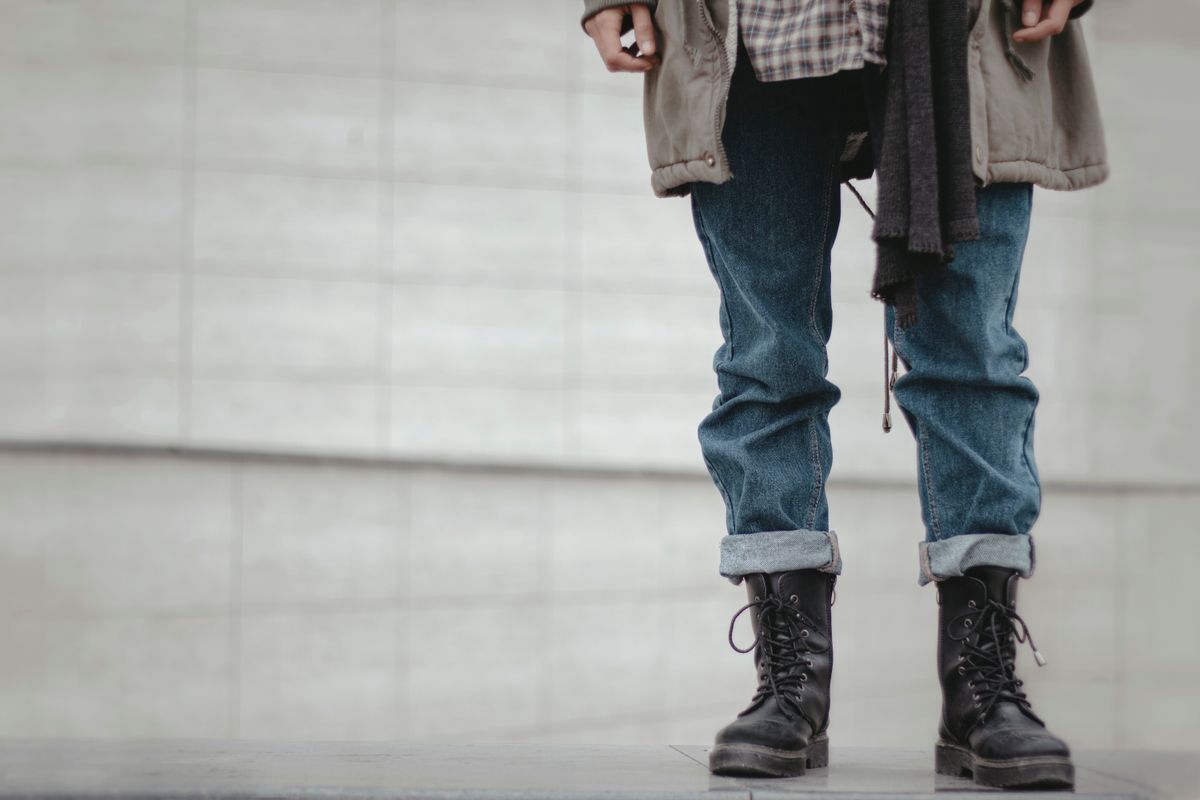
Worth clearing up, because the label has not changed but the cut has. Modern slim usually means a mid-rise with a gentle taper and a fitted but not tight leg. It is closer to what straight leg meant fifteen years ago than to the skinny jeans the word came to mean. If you last bought slim jeans during the skinny years and swore off them, try them again, because the current version is a different garment. It remains the smartest-looking of the casual fits, which makes it the sensible choice when jeans need to work in a smart casual setting rather than a purely weekend one.
Relaxed and Baggy, Done Properly
Relaxed and Baggy, Done Properly
Image source: pexels.com
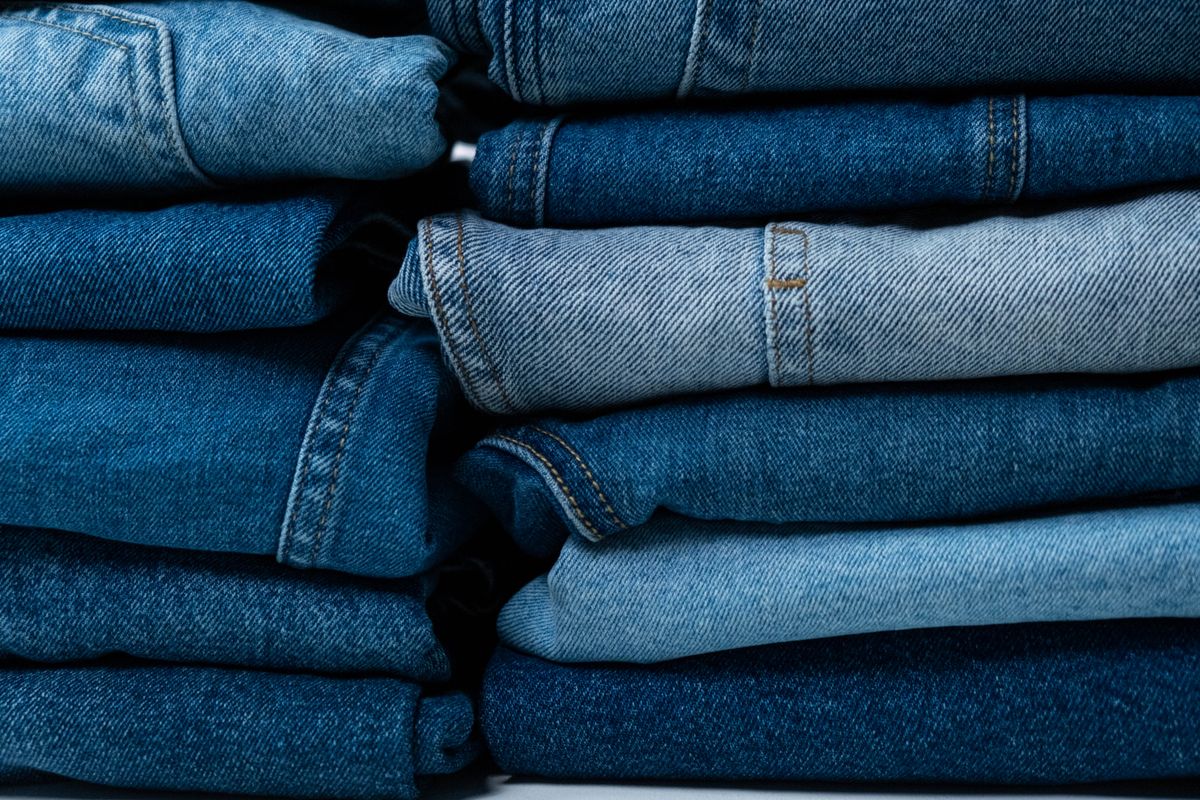
Relaxed fits still lead the direction of travel, but the emphasis in 2026 has shifted from sheer volume to proportion. The versions that work are not shapeless: they give room through the thigh and seat and then taper slightly towards the ankle, so there is a defined line rather than a column of fabric. The practical rule is to balance the volume elsewhere. A baggy jean with an oversized top reads as one large shape with no structure; the same jean with a fitted T-shirt or a neat overshirt looks deliberate. This is the fit where getting the rest of the outfit right matters most.
Washes: Dark Is Doing the Heavy Lifting
Washes: Dark Is Doing the Heavy Lifting
Image source: pexels.com
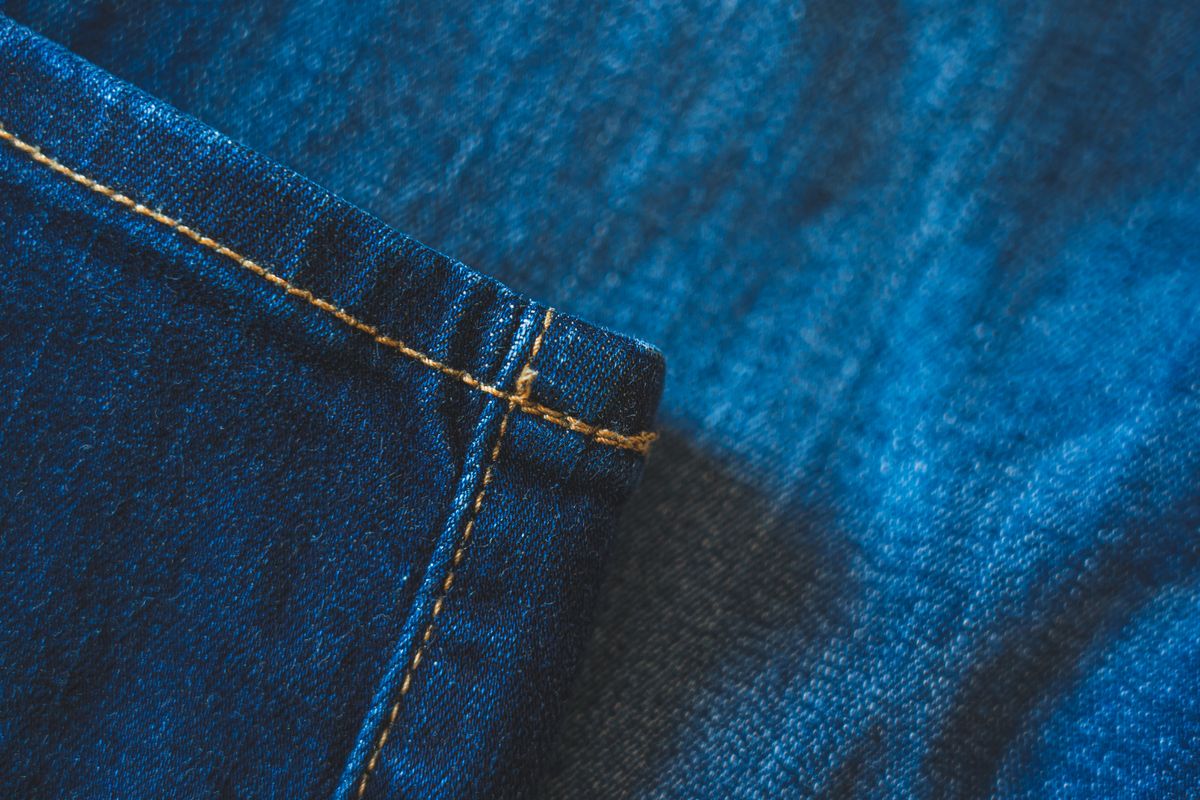
Dark indigo and deep rinse washes are having a genuine moment, and they are the most useful jeans most men can own, because a dark denim reads considerably smarter than a faded one. A dark straight or slim jean with a shirt and leather shoes is an outfit that passes in a lot of situations a lighter wash would not. Mid blue is the classic weekend wash and the most versatile casual option. Light and stonewashed reads relaxed and summery. Black is smart but can look flat and fades to grey faster than people expect, so it wants replacing more often.
Distressing Has Calmed Down

Distressing Has Calmed Down
Image source: pexels.com
The heavily ripped, shredded and paint-splattered denim of a few years ago is cooling off, and the current preference is for subtle fading and gentle vintage treatment rather than damage. That is worth knowing before you spend, because heavily distressed jeans date faster than plain ones and they also wear out faster, since the rips grow. If you want character, look for natural-looking whiskering and fading rather than holes. Raw and selvedge denim takes this furthest: it starts stiff and dark and fades to your own wear pattern, which is the most durable version of the same idea.
Rise, and Why Your Jeans Feel Wrong
Rise is the distance from the crotch seam to the top of the waistband, and it is the most common cause of jeans that fit on paper but feel wrong on. Low rise sits below the natural waist and is the least forgiving. Mid rise sits just below the navel and is the default for most men and most builds. High rise sits at or above the natural waist, gives a longer leg line, and works particularly well with relaxed and wide fits. If you find yourself constantly hitching jeans up or feeling cut across the middle when you sit, the rise is wrong, not the size.
Stretch: Useful in Small Amounts
Most high-street denim now contains a percentage of elastane, and a small amount genuinely helps with comfort and recovery. The problem is quantity. Too much stretch and the jeans bag out at the knee and seat within a few hours and never fully recover, which is why cheap stretch denim looks tired so quickly. A small percentage is the sweet spot for most people. If you want jeans that hold their shape for years and do not mind a stiffer start, rigid or near-rigid denim is the better long-term buy, and it moulds to you rather than the other way round.
Getting the Length Right
Hem length quietly separates jeans that look right from jeans that do not, and it is the easiest thing to fix. A single light break, where the fabric touches the shoe and creases once, is the safe default and suits straight and slim fits. No break, where the hem stops just at the shoe, looks sharper and suits tapered jeans. Stacking, where the fabric bunches over the shoe, is a deliberate look with relaxed fits but reads as accidental with anything else. Most jeans need shortening, alterations are cheap, and it is the single best few pounds you can spend on a pair.
Building a Denim Rotation
Three pairs cover almost everything. A dark straight or slim for anything that needs to look smart, a mid-blue straight for everyday, and a relaxed pair for genuinely casual days. That covers far more ground than three variations on the same fit, which is what most wardrobes actually contain. Add a black pair only if you will wear it. If you are building the wider wardrobe rather than just the denim, our men’s outfits guide covers how the rest fits around it, and T-shirts for men covers the layer that sits on top most often.
How to Try Jeans On Properly
Denim sizing is not consistent between brands and never has been, so ignore the number on the label and judge the garment. Sit down in the changing room, because jeans that fit standing and cut you in half sitting are the wrong rise or the wrong size. Check that the waistband stays put without a belt doing all the work. Check the thigh, which is where most men size up unnecessarily when a tapered cut would have solved it. Rigid denim will give a little with wear; heavy stretch will give a lot and not come back. Buy for how they fit at the waist and thigh, and get the length altered.
Final Thoughts
Fit does almost all the work. Straight leg is the default that suits nearly everyone, tapered solves the thigh problem, slim has quietly become wearable again, and relaxed works as long as you balance the volume above it. Buy dark for smart and mid-blue for everyday, keep the distressing subtle, and get the hem altered. Do that and a men’s jeans styles guide stops being necessary, because the jeans simply look right.
Frequently Asked Questions
What jeans fit suits most men?
Straight leg. It runs the same width from knee to hem, suits nearly every build, and works with both trainers and boots.
Are skinny jeans still in style for men?
No. The direction has moved firmly towards straight, tapered and relaxed fits, with modern slim now meaning gently fitted rather than tight.
What is the difference between straight and tapered jeans?
Straight stays the same width below the knee. Tapered is roomier through the thigh and narrows towards the ankle, which suits muscular builds.
What jeans wash looks smartest?
Dark indigo or a deep rinse. A dark wash reads considerably smarter than a faded one and works with a shirt and leather shoes.
Should men’s jeans have stretch?
A small amount helps comfort. Too much elastane makes jeans bag at the knee and seat within hours and never fully recover.
How long should men’s jeans be?
A single light break at the shoe is the safe default. Tapered fits suit no break. Most jeans need shortening, and alterations are inexpensive.
Disclaimer
This article is for general style guidance only. Sizing, cut and fabric composition vary considerably between brands, so always try garments on or check a retailer’s own size guide and returns policy before buying.