
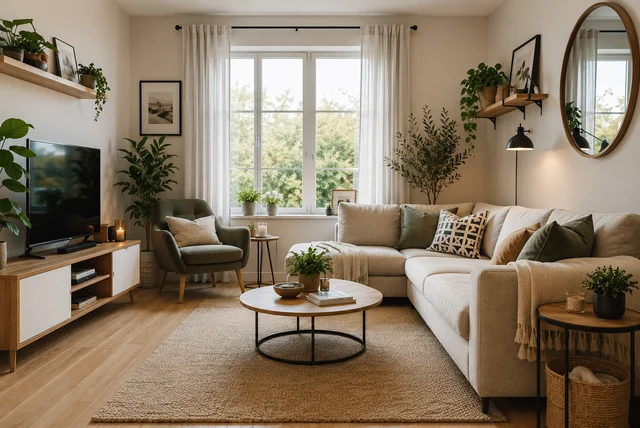

Have you ever walked into a small lounge and felt like there was simply no way to make it look beautiful? Sarah, a homeowner from Manchester, felt exactly the same after moving into her first apartment. Every time she bought a new chair or table, the room somehow looked even smaller. One weekend, instead of shopping for more furniture, she decided to rearrange everything she already owned. To her surprise, the room suddenly felt brighter, more open, and much easier to enjoy. That small change taught her that a great layout matters far more than having a large room. If you’ve been searching for small lounge layout ideas, you’re not alone. Many UK homeowners and renters face the same challenge, whether they live in a cosy cottage, a modern apartment, or a compact family home. The good news is that a few smart layout choices can completely transform your space without spending a fortune. This guide from Daily Lifestyle Guide shares practical ideas, simple decorating tips, and clever furniture arrangements that make even the smallest lounge feel welcoming, stylish, and comfortable for everyday life.
Start With the Right Layout Before Buying Anything
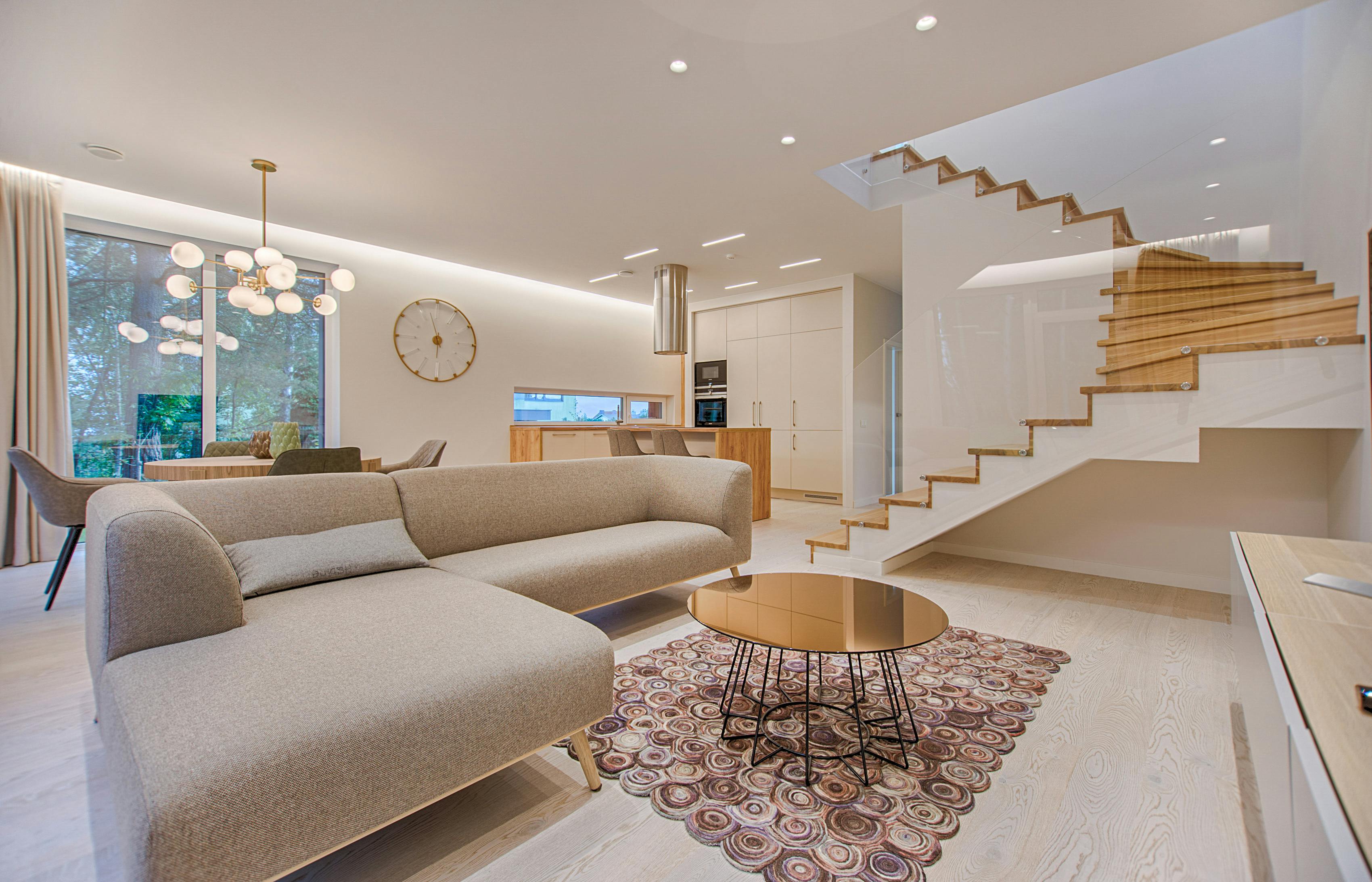
Image source: Pexels
Many people think a new sofa will solve all their problems, but the real magic begins with a good plan. Imagine moving into a new flat and rushing to fill every empty corner. A few weeks later, you realise there is barely enough space to walk comfortably. That happens more often than people think. Before buying anything, measure your room carefully and decide how you want to use it. Is it mainly for family movie nights, reading, entertaining friends, or relaxing after work? Once you know its purpose, arranging furniture becomes much easier. Keep clear walking paths between the entrance, seating area, and windows so the room feels open instead of crowded. A simple floor plan can prevent expensive mistakes and help every piece of furniture fit naturally. If you’re looking for more inspiration, our living room planning guide explains how to organise every corner before spending money on furniture.
Float Your Sofa Instead of Pushing It Against the Wall
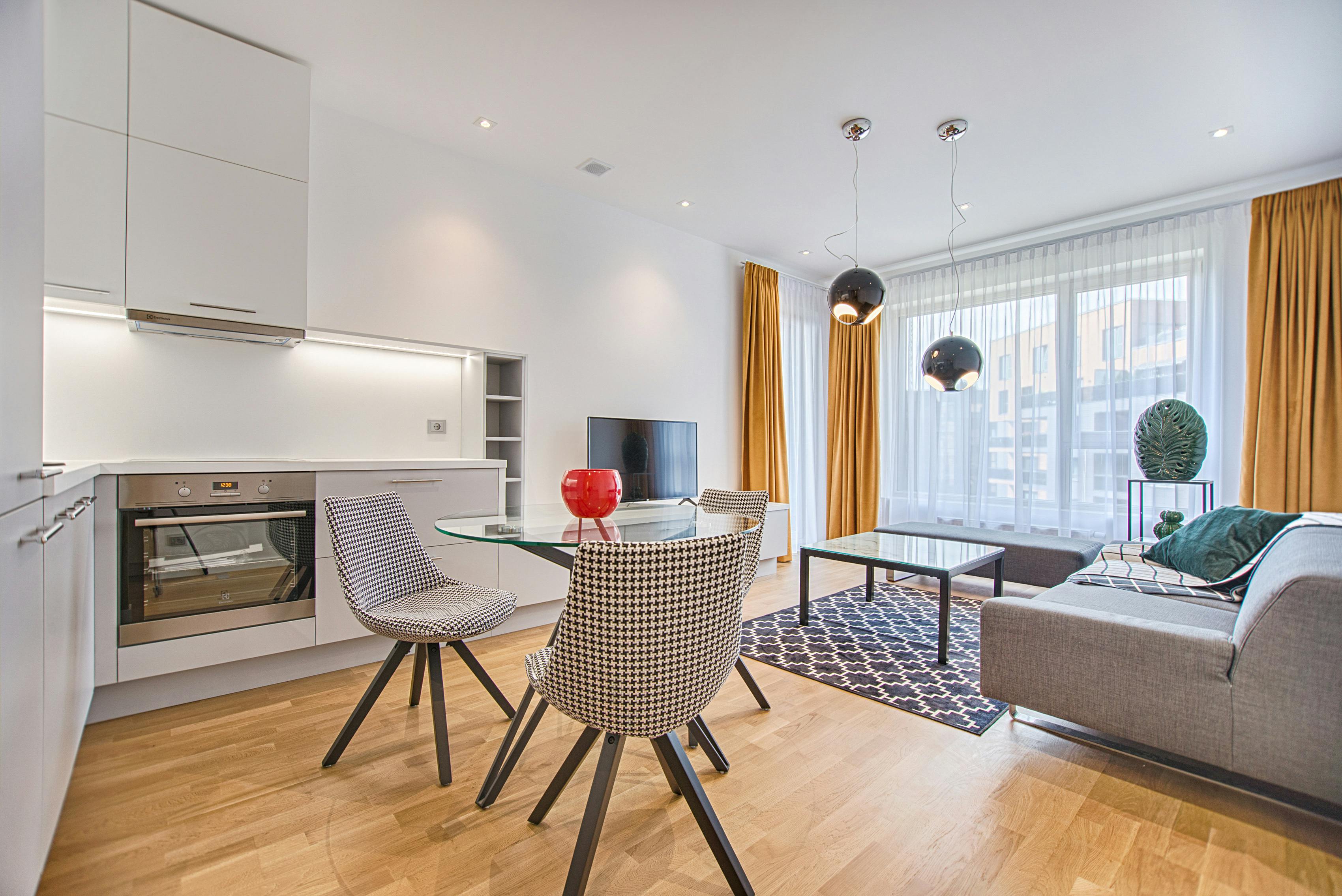
Image source: Pexels
It sounds surprising, but placing every piece of furniture against the walls can actually make a room feel smaller. Think about a lounge where every chair hugs the edge of the room while the middle remains empty. Instead of creating space, it often feels disconnected and awkward. Designers frequently recommend floating the sofa a little away from the wall when possible. Even leaving a small gap behind the sofa can improve the room’s flow and create a more balanced seating area. Add a slim console table behind the sofa if you need extra storage or a place for lamps and decorative items. This simple change creates depth and makes the lounge look thoughtfully designed rather than crowded. If your room is especially compact, combine this layout with ideas from our small living room layout ideas guide for even more practical inspiration.
Choose Furniture That Does More Than One Job
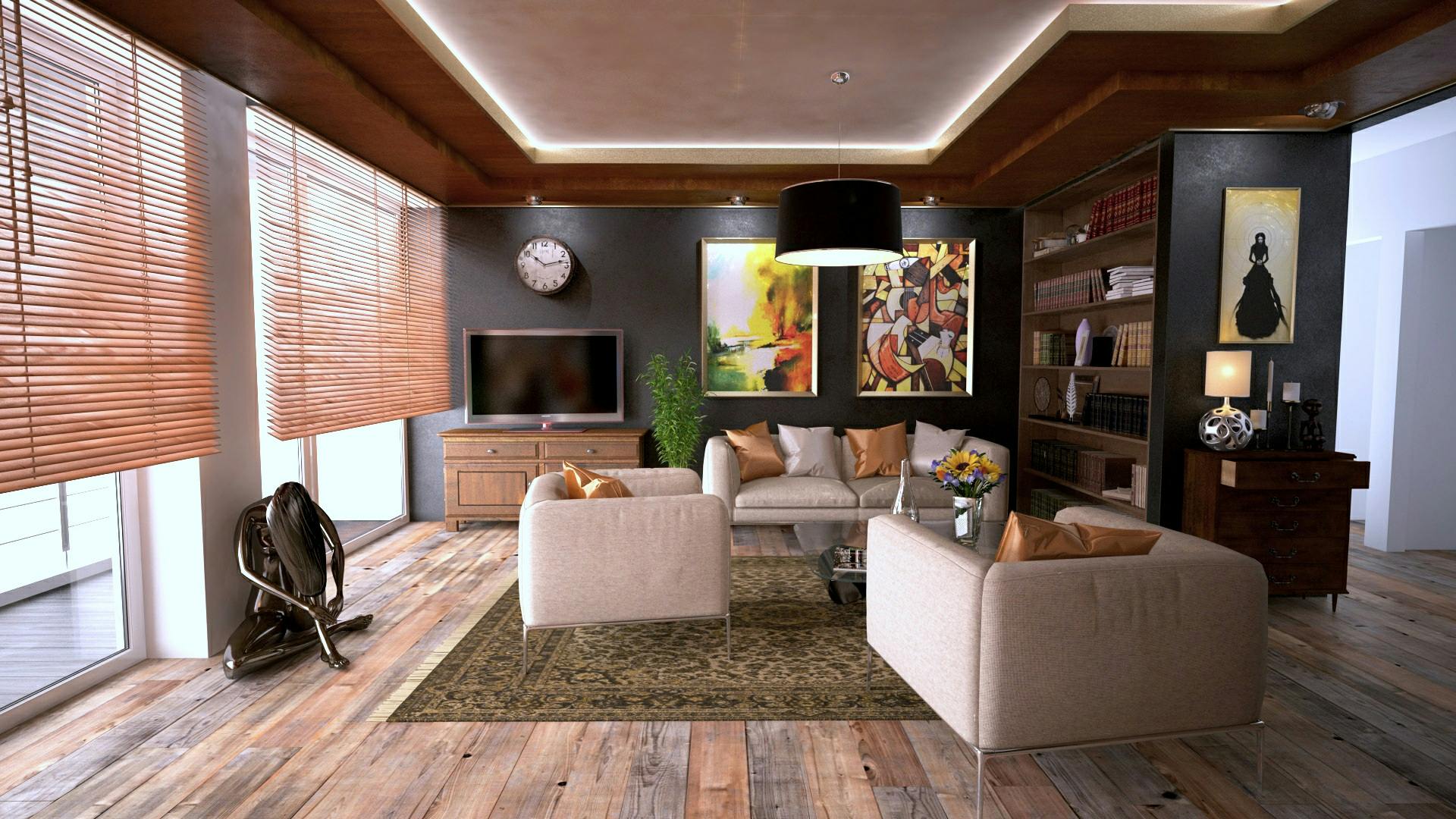
Image source: Pexels
Imagine hosting friends for tea and easily pulling out extra seating hidden inside your furniture. That’s the beauty of multifunctional pieces. In a compact lounge design, every item should earn its place. Storage ottomans can hide blankets, books, children’s toys, or magazines while doubling as extra seating. Nesting coffee tables expand when guests arrive and slide neatly together afterwards. Modular sofas can change shape depending on your needs, while benches with hidden compartments reduce clutter without taking extra space. Furniture with slim legs also allows more of the floor to remain visible, making the room appear larger. Instead of filling the lounge with many small pieces, choose fewer items that serve multiple purposes. For more clever ideas, explore our guide to multifunctional living room furniture and discover practical solutions for everyday living.
Create a Comfortable Conversation Area
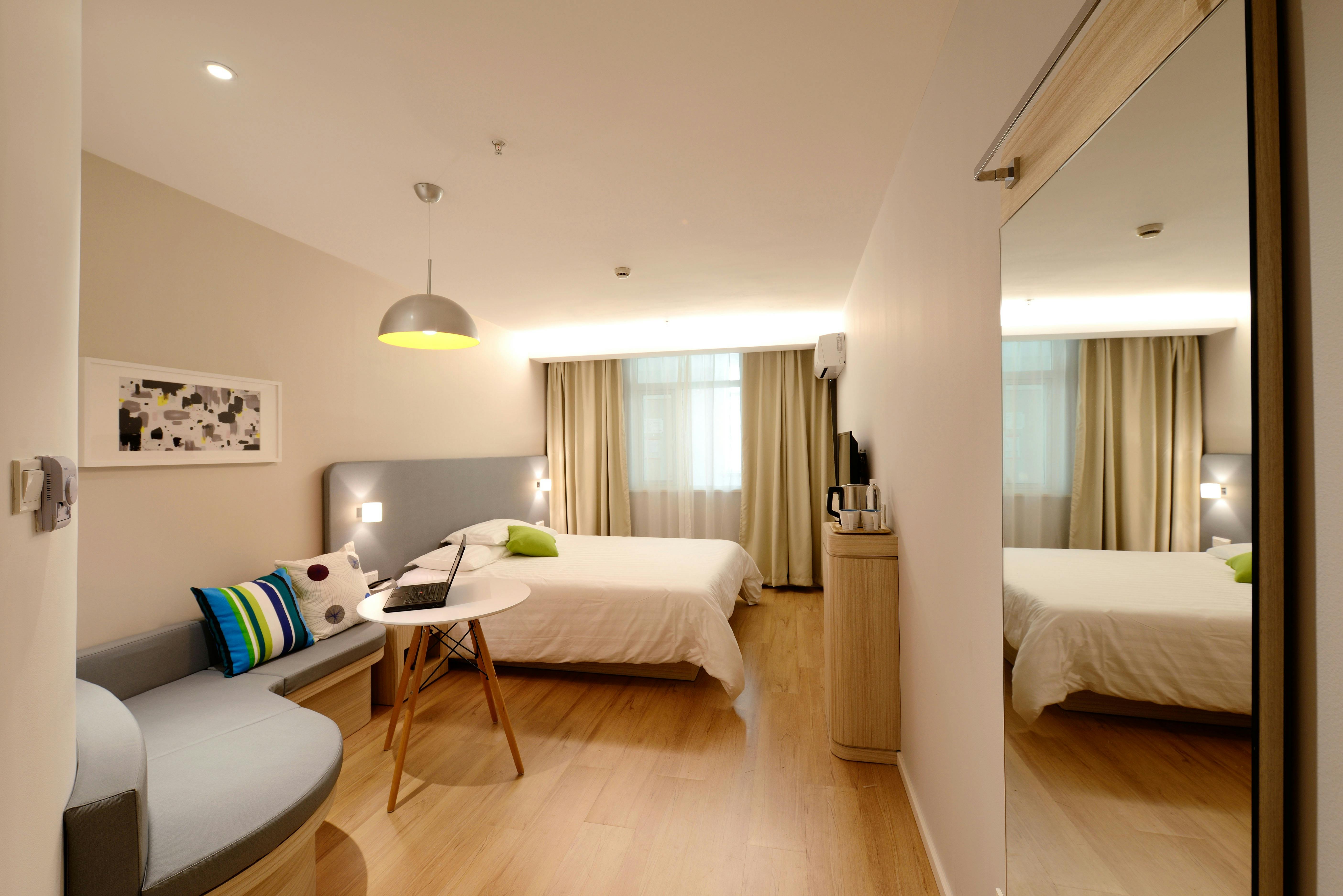
Image source: Pexels
A lounge should invite people to sit down, chat, and enjoy each other’s company. Picture a family gathering where everyone has to turn their chairs awkwardly just to speak. A better layout places seating close enough for conversation while keeping enough space to move around comfortably. A compact sectional sofa works beautifully in corners, while two accent chairs opposite the sofa create balance in wider rooms. In a narrow lounge layout, consider using armless chairs because they take up less visual space. A soft rug underneath helps define the seating zone and brings everything together without adding clutter. The goal is to create a warm atmosphere where conversations happen naturally instead of everyone facing only the television. If you’re planning a complete refresh, you’ll also enjoy our guide to living room layout ideas for additional seating inspiration.
Use Vertical Space to Keep the Floor Clear
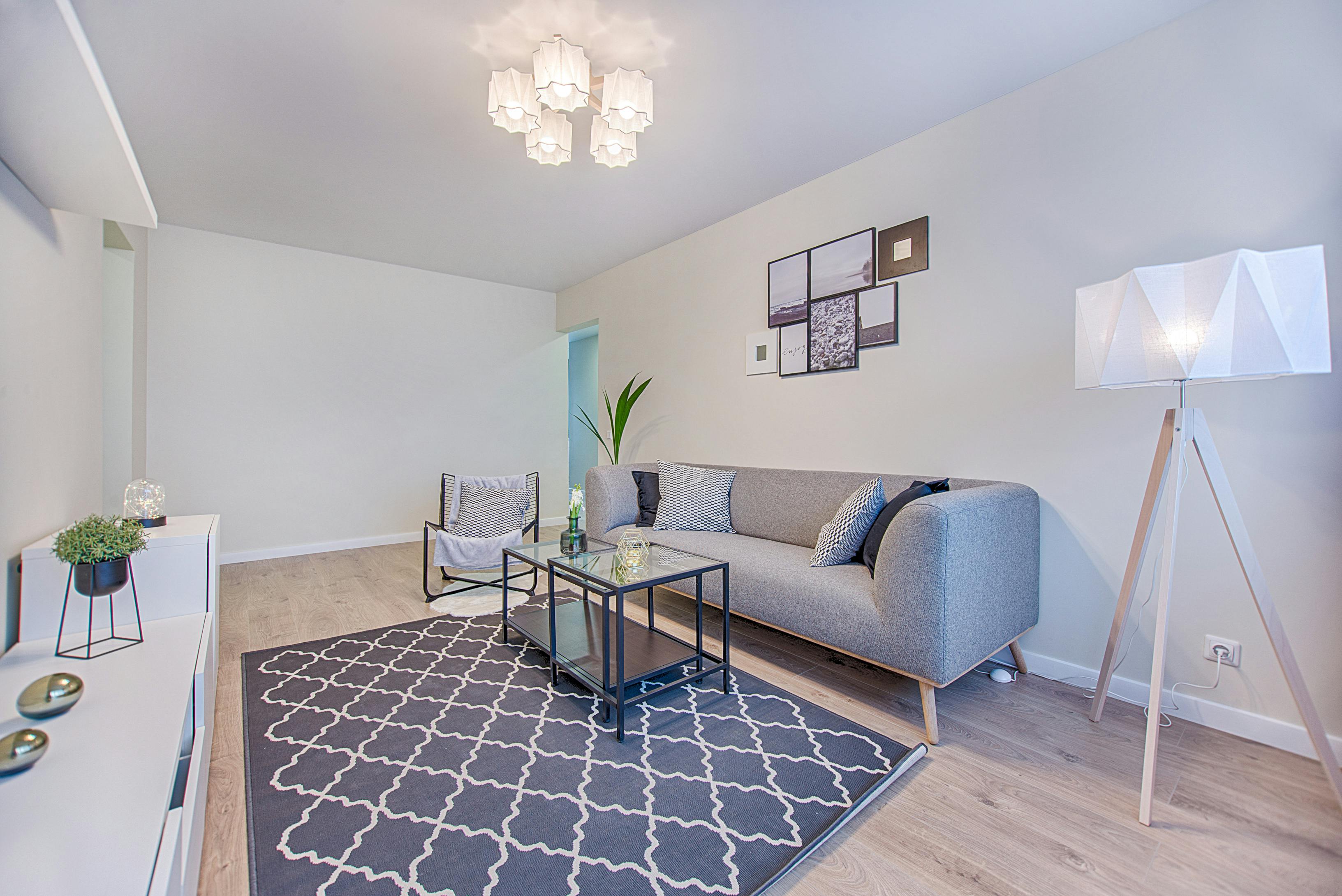
Image source: Pexels
One of the easiest mistakes in a small apartment living room is forgetting about the walls. When floor space disappears, look upward instead. Tall shelving units, floating shelves, and wall-mounted cabinets provide valuable storage without making the room feel cramped. Imagine displaying books, family photos, and small plants on shelves while keeping the floor tidy and open. This simple approach creates visual height, making low ceilings seem taller. A wall-mounted television can also free valuable floor space that would otherwise be taken by a bulky TV cabinet. Combined with hidden storage furniture, vertical storage helps reduce clutter and improves the overall flow of the lounge. If you’re looking for more storage inspiration, our guide to living room storage ideas shares practical solutions designed for compact UK homes.
Make Natural Light Part of Your Layout
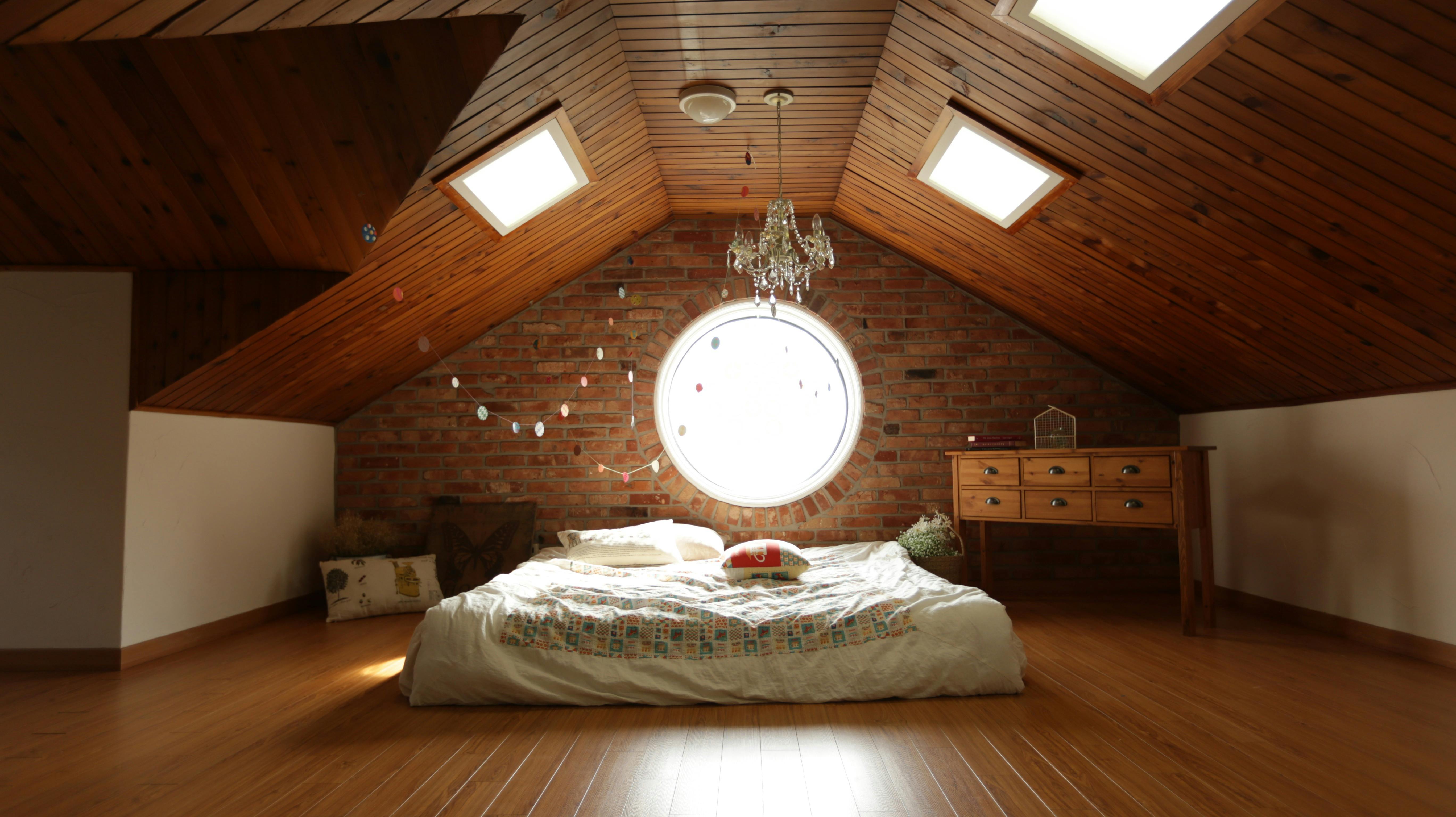
Image source: Pexels
Natural light can completely change how a small lounge feels. Imagine opening your curtains in the morning only to find a large cabinet blocking half the window. Even the nicest furniture cannot compete with good daylight. Position larger pieces away from windows whenever possible so sunlight can spread throughout the room. Mirrors placed opposite windows help reflect light into darker corners, making the lounge feel brighter and more spacious. Light-coloured walls, soft curtains hung close to the ceiling, and furniture with open legs all contribute to an airy atmosphere. Instead of hiding your best feature, allow your windows to become part of the design. A bright room always feels bigger, even when the actual dimensions remain the same. Continue reading in Part 2, where we’ll explore even more small lounge room ideas, common mistakes to avoid, expert tips, FAQs, a planning checklist, and a practical conclusion.
Use Corners Wisely Instead of Letting Them Go to Waste
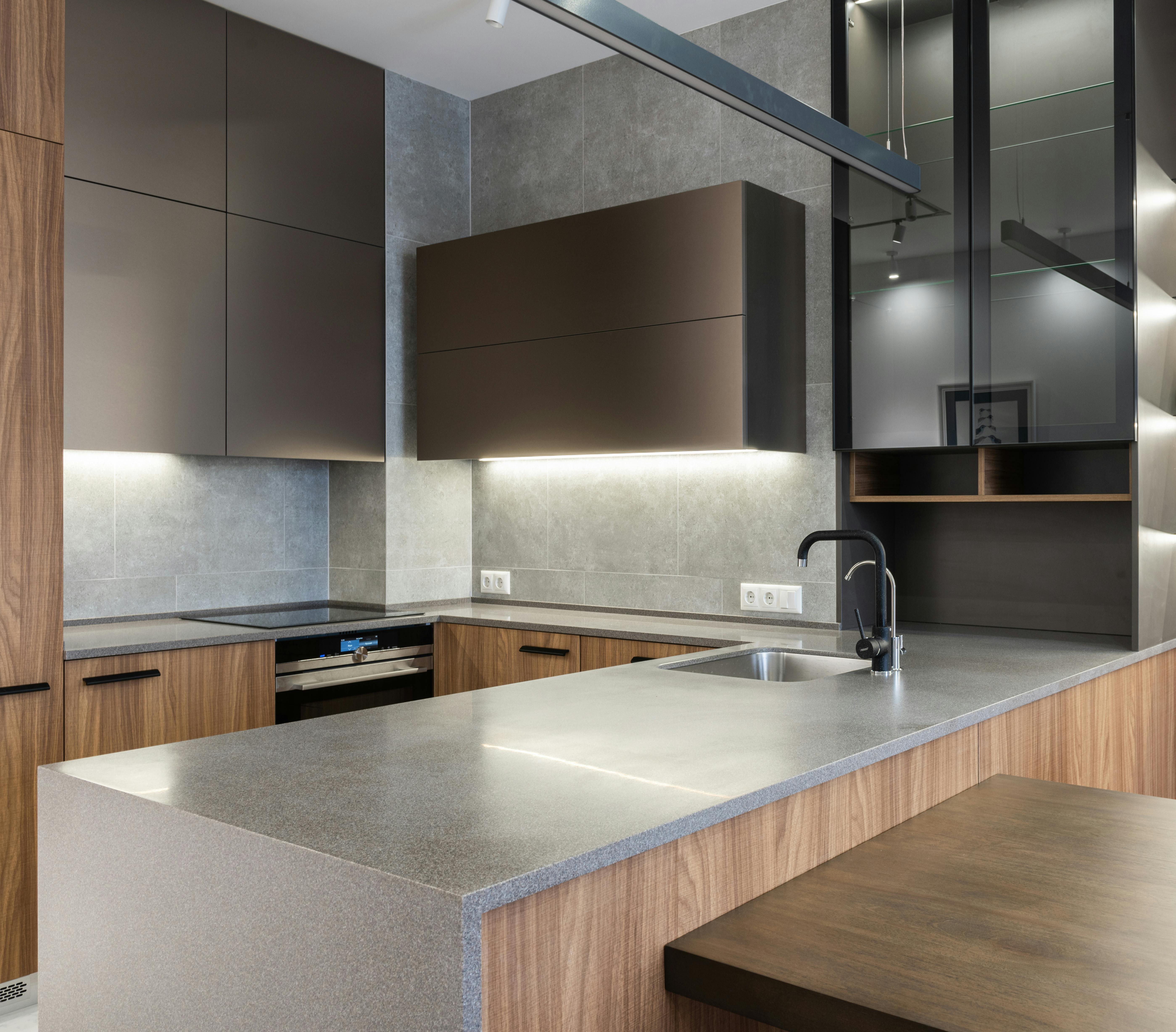
Image source: Pexels
Think about the quiet corner in your lounge that usually collects shopping bags or laundry baskets. With a little creativity, that forgotten space can become one of the most useful parts of the room. A cosy reading chair with a slim floor lamp instantly creates a peaceful escape after a long day. If you need more seating, an L-shaped sectional sofa can fit neatly into the corner without blocking movement. Some homeowners even add built-in benches beneath windows to gain both storage and extra seating. Corner shelves are another smart solution because they hold books, plants, or decorative pieces without taking valuable floor space. Making use of every corner helps create a balanced small living room layout while keeping the room open and uncluttered. For more inspiration, you can also explore our guide to designing a small living room.
Keep Traffic Flow Smooth and Comfortable
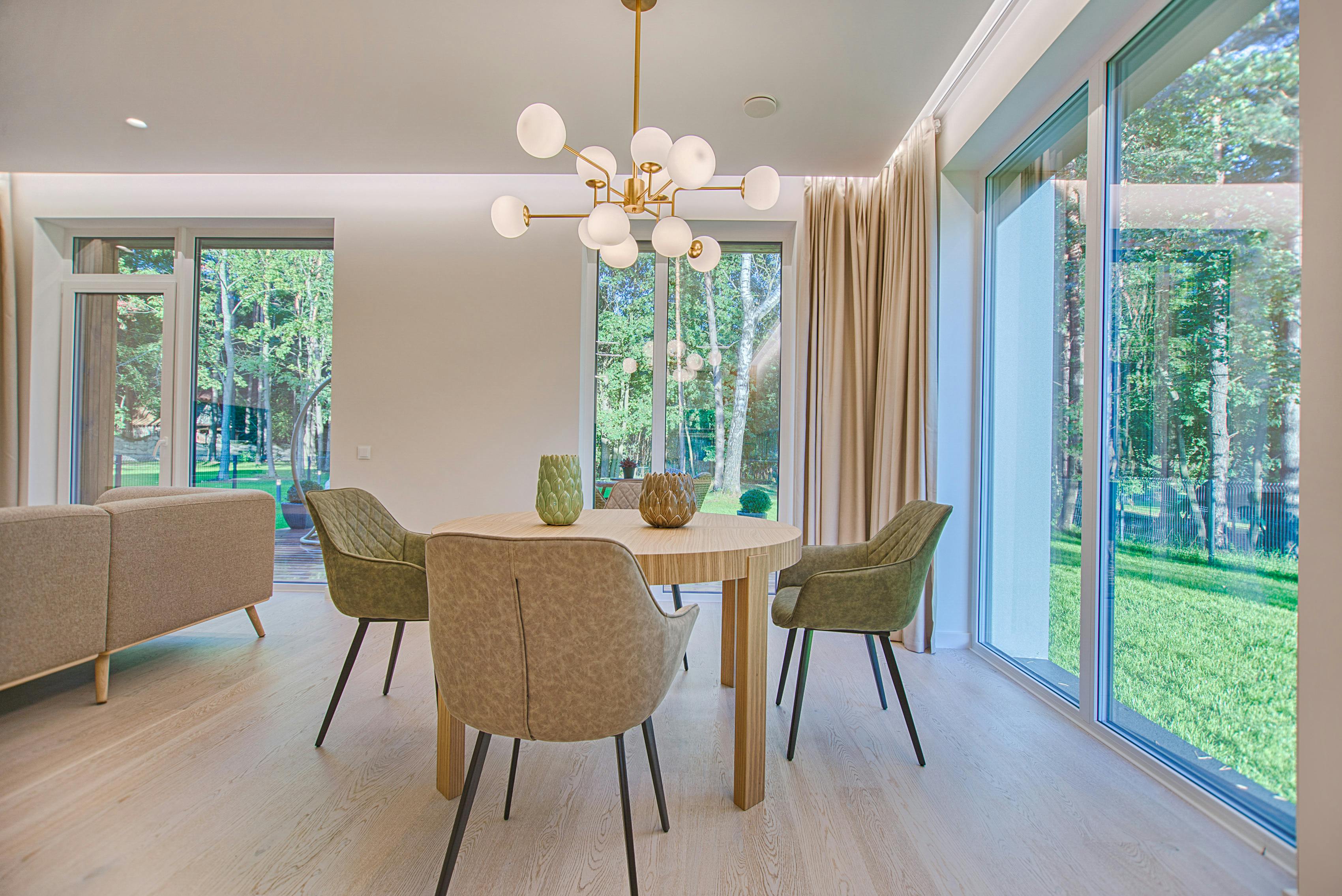
Image source: Pexels
Have you ever visited a home where you had to squeeze sideways just to reach the sofa? Even beautiful furniture cannot hide a poor layout. One of the biggest secrets behind successful small lounge layout ideas is maintaining clear walking paths. Leave enough space between your coffee table and seating so everyone can move around easily. Avoid placing furniture directly in front of doors or windows, and make sure family members can walk naturally through the room without bumping into chairs. If your lounge is long and narrow, arrange furniture along one side while keeping the opposite side open for movement. A well-planned layout feels calm, organised, and welcoming because people can enjoy the space without constantly moving furniture. If you’re planning a complete room makeover, our living room setup guide offers more practical planning ideas.
Decorate With Less but Choose Every Piece Carefully
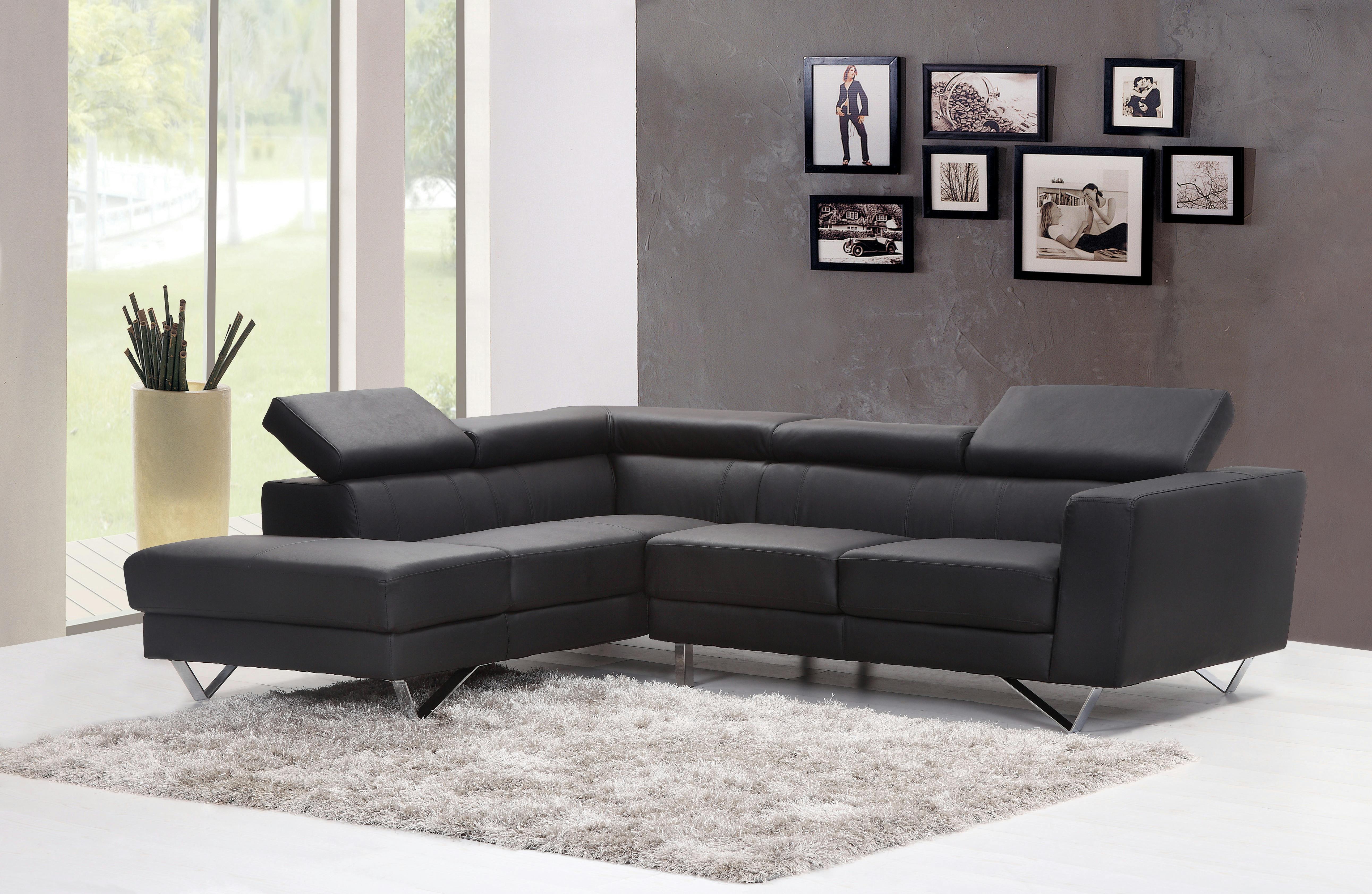
Image source: Pexels
When Emma decorated her first rented flat, she filled every shelf with ornaments because she wanted the room to feel cosy. Instead, it felt crowded. After removing half the decorations, adding one large piece of artwork, and introducing a few indoor plants, the lounge suddenly looked bigger and more relaxing. That simple lesson reminds us that less is often more. Rather than covering every surface with small accessories, choose a few meaningful pieces that tell your story. Soft cushions, textured throws, a large rug, and layered lighting create warmth without overwhelming the room. Mirrors help reflect light, while neutral colours keep the atmosphere bright and peaceful. This style works perfectly for a minimalist lounge design because it focuses on quality instead of quantity. For more decorating inspiration, check out our modern small living room ideas.
Common Mistakes That Make Small Lounges Feel Even Smaller
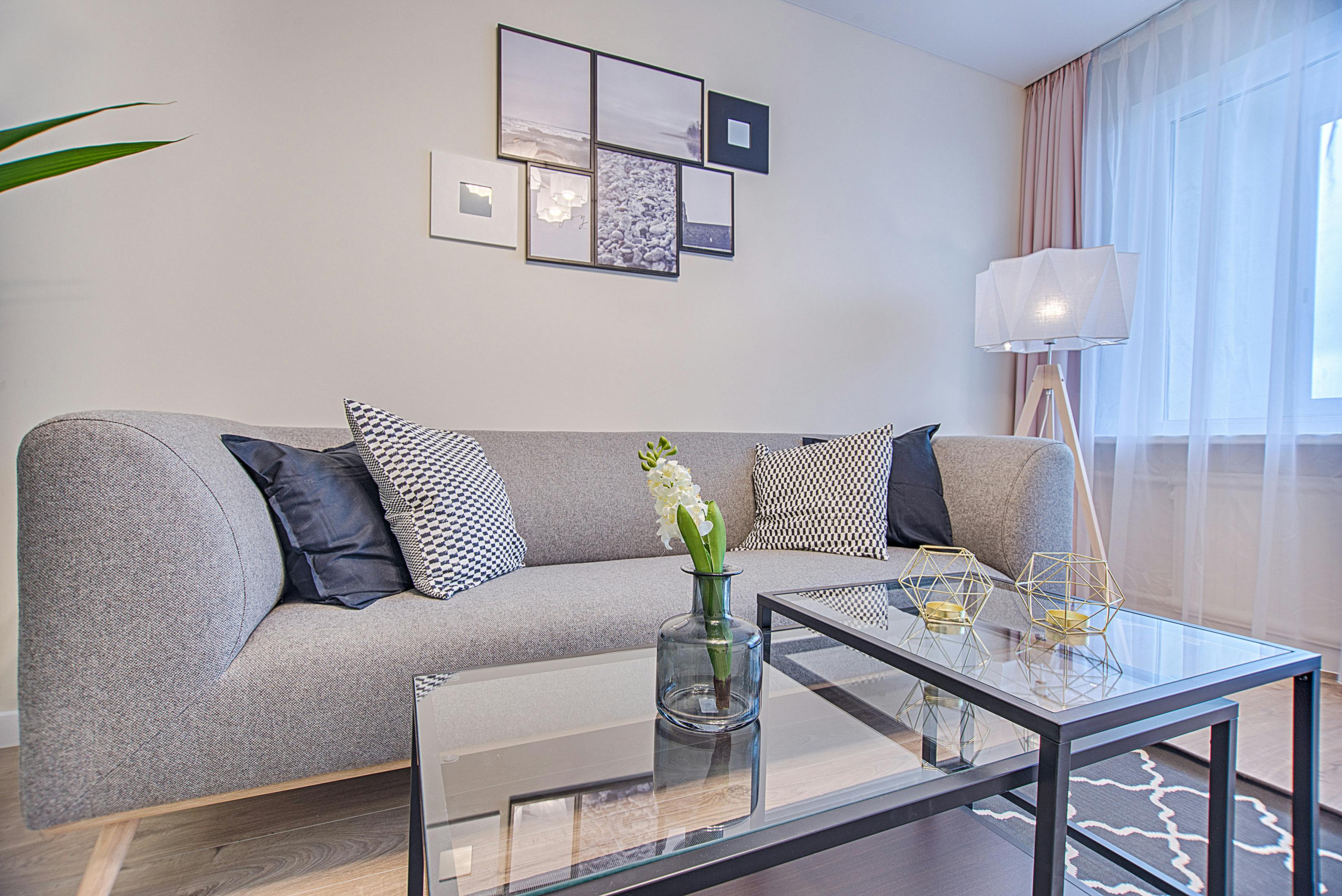
Image source: Pexels
Many homeowners don’t realise that a few small mistakes can undo all their hard work. Buying oversized sofas without measuring the room is one of the most common problems. Another mistake is choosing several tiny furniture pieces instead of one well-sized sofa and a couple of practical chairs. Blocking windows with tall cabinets reduces natural light, while oversized coffee tables interrupt movement. Filling every empty corner with decorations also creates visual clutter. Instead, focus on keeping sightlines open and selecting furniture that suits the room’s scale. Hidden storage, multifunctional furniture, and thoughtful placement make a much bigger difference than buying expensive decorations. Avoiding these simple mistakes helps improve both the appearance and functionality of your tiny living room arrangement. If you need extra storage inspiration, our guide to smart storage furniture ideas is worth reading.
Quick Planning Checklist Before Rearranging Your Lounge
| Step | Why It Matters |
|---|---|
| Measure the room | Prevents buying furniture that is too large. |
| Decide the room’s main purpose | Helps create the best seating arrangement. |
| Keep walkways clear | Improves comfort and movement. |
| Use multifunctional furniture | Saves valuable floor space. |
| Add vertical storage | Keeps clutter off the floor. |
| Let natural light in | Makes the lounge feel bigger and brighter. |
| Decorate with intention | Creates a stylish yet uncluttered look. |
Every Small Lounge Has Big Potential
Looking back at Sarah’s story, it wasn’t a bigger house that changed her everyday life. It was a better layout. She stopped trying to fill every empty space and instead focused on creating a room that felt comfortable, practical, and welcoming. The same idea can work in almost any home. Whether you live in a compact city apartment or a cosy family house, these small lounge layout ideas show that thoughtful planning always beats extra square metres. By choosing furniture carefully, keeping walkways open, using hidden storage, and making the most of natural light, your lounge can become a place where family and friends genuinely enjoy spending time together. Start with one small change today, and you’ll be surprised how different your room can feel tomorrow.
About the Author
Daily Lifestyle Guide Editorial Team is passionate about helping UK homeowners and renters create comfortable, stylish, and practical living spaces. Our home improvement writers research the latest interior design trends, space-saving solutions, and expert decorating advice to produce easy-to-follow guides for everyday homes. Every article is carefully reviewed to ensure it is accurate, up to date, and written in simple language that everyone can understand. Our goal is to share practical ideas that help readers make smarter home design decisions without unnecessary expense or complexity.
Disclaimer
This article is published for general informational and educational purposes only. The layout ideas, decorating tips, and design suggestions shared here are based on publicly available sources, industry best practices, and editorial research available at the time of publication. Every home is different in terms of size, layout, structure, and personal needs, so results may vary. Before purchasing furniture, carrying out renovations, or making structural changes, always measure your space carefully and seek professional advice where appropriate. While we strive to keep our content accurate and up to date, design trends, product availability, and recommendations may change over time. Daily Lifestyle Guide is not responsible for any decisions or outcomes resulting from the use of the information provided in this article.
Frequently Asked Questions
What is the best furniture layout for a small lounge?
The best layout keeps furniture proportional to the room while maintaining clear walking paths. A compact sofa, multifunctional furniture, and carefully placed chairs usually create a comfortable and practical seating arrangement without making the room feel crowded.
How can I make my small lounge look bigger?
Use light colours, mirrors, furniture with visible legs, and plenty of natural light. Keeping clutter under control and choosing storage furniture also helps create the feeling of a larger and more open living space.
Is a sectional sofa suitable for a small living room?
Yes. A compact L-shaped sectional often makes better use of corners than several separate chairs. Choosing the right size is important, and measuring the room before buying helps ensure the sofa fits comfortably.
Why shouldn’t all furniture be placed against the wall?
Although it seems like it creates more space, pushing everything against the walls can make a room feel disconnected. Floating a sofa slightly away from the wall often improves balance, flow, and conversation areas.
What colours work best in a compact lounge design?
Soft neutrals, warm whites, pale greys, and light beige shades reflect more natural light and make compact rooms appear larger. Adding colourful cushions or artwork provides personality without overwhelming the space.
How do I reduce clutter in a small apartment living room?
Choose storage ottomans, wall-mounted shelves, built-in storage, and multifunctional furniture. Regularly removing unused items also helps maintain a tidy and relaxing lounge that feels larger than it really is.