
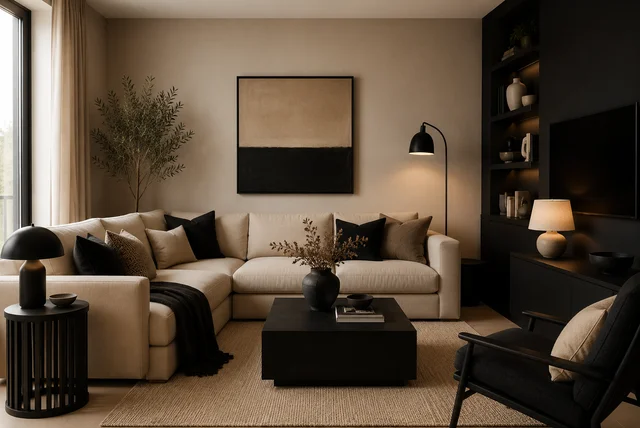

Have you ever walked into someone’s living room and instantly felt calm, comfortable, and inspired without knowing exactly why? It happened to me during a visit to a friend’s newly renovated home. Everything looked warm, modern, and welcoming at the same time. That visit completely changed the way I thought about neutral interiors.
| Design at a Glance | Details |
|---|---|
| Style | Modern Neutral, Contemporary, Scandinavian, Japandi, Minimalist |
| Main Colours | Beige, Black, Ivory, Taupe, Cream |
| Accent Materials | Wood, Linen, Bouclé, Jute, Stone, Brass |
| Best For | Small and large living rooms |
| Difficulty | Easy to customise for any budget |
| Trend Status | Popular in UK homes during 2026 |
Why Black and Beige Create the Perfect Living Room Balance
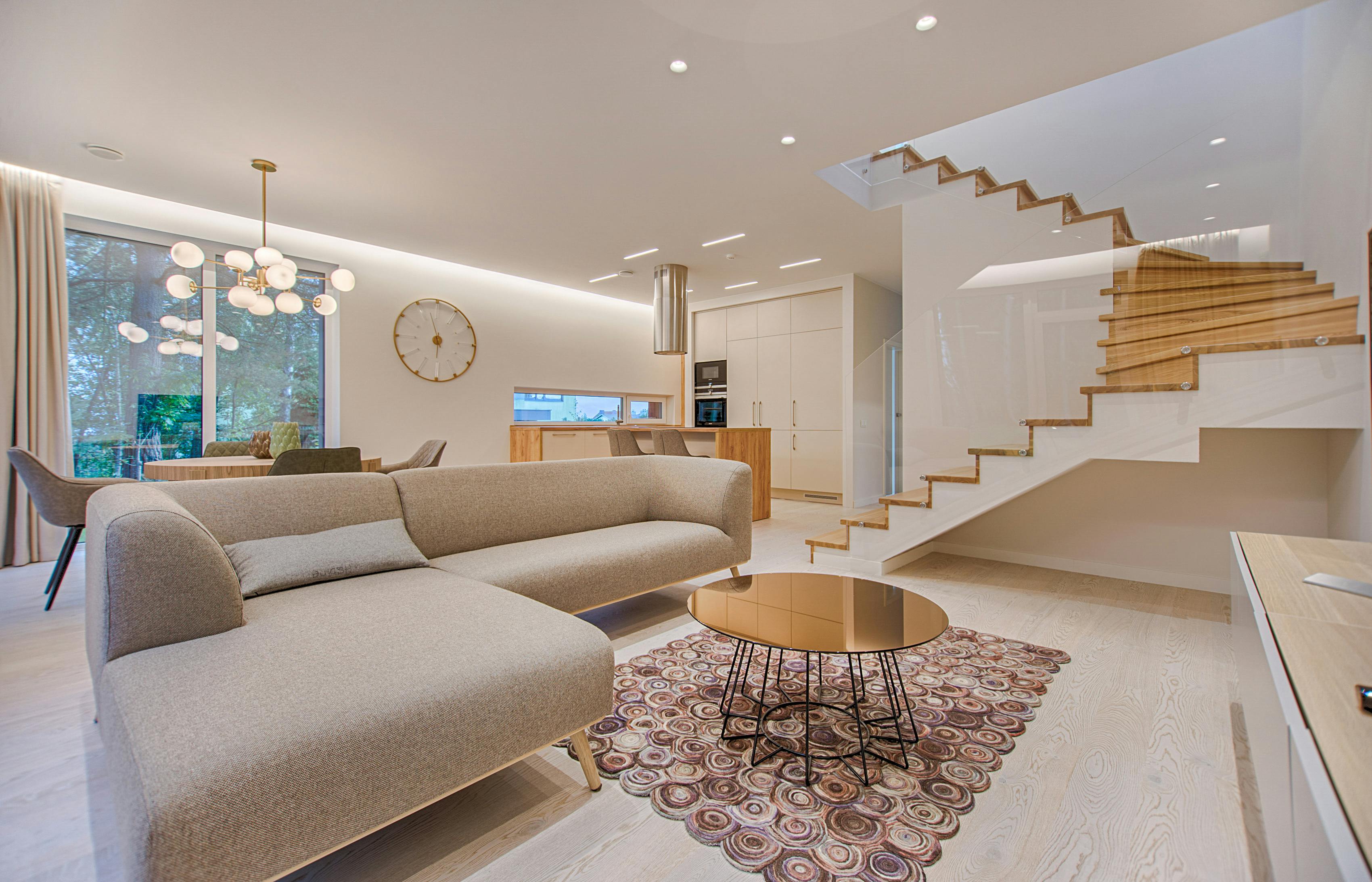
Image source: pexels.com
Imagine arriving home after a long day, dropping your keys on the table, and sinking into a soft beige sofa while warm lighting fills the room. Now picture black shelving, elegant lighting, and a simple coffee table quietly framing the space. That contrast is exactly why so many designers love this colour combination. Beige naturally reflects light, making a room feel brighter and more welcoming, while black creates definition and gives the eye somewhere to rest. Together they create a space that feels both cosy and luxurious. According to recent home design surveys, neutral colour palettes remain the favourite choice for living rooms because they are easy to decorate and appeal to a wide range of homeowners. A simple decorating rule many professionals recommend is the 60-30-10 method, where beige becomes the main colour, black acts as the secondary tone, and wood, brass, or greenery completes the final accents. If you’re planning a full makeover, our Living Room Design Guide UK offers even more planning ideas that work beautifully with this timeless palette.
Start with Beige Before Adding Bold Black Details
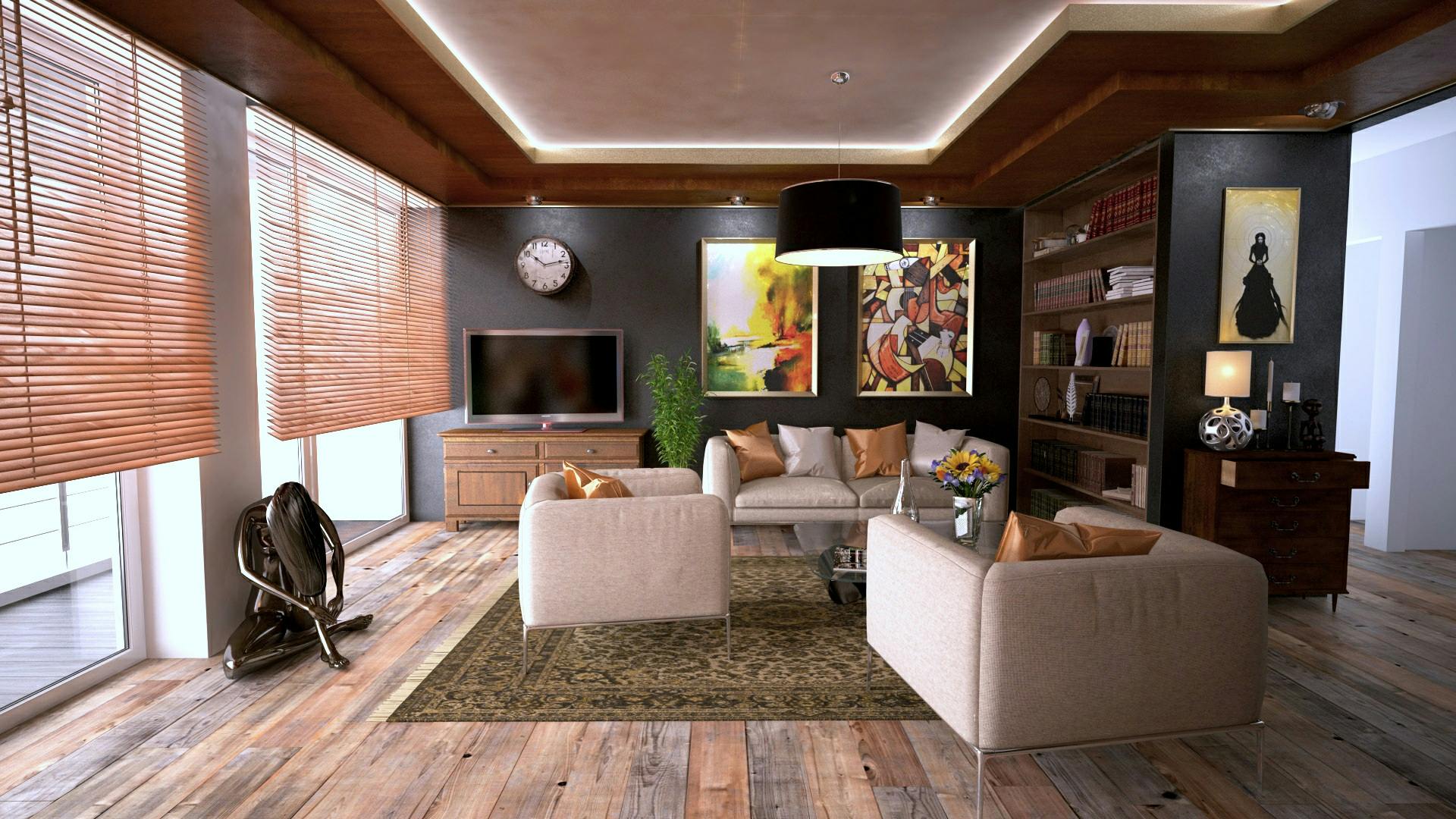
Image source: pexels.com
Many people make the mistake of buying black furniture first and then wonder why their living room feels smaller than expected. A better approach is to begin with soft beige foundations. Think of a comfortable sofa, a warm neutral rug, light curtains, or creamy painted walls that allow natural light to bounce around the room. Once that welcoming backdrop is in place, introduce black gradually through a coffee table, floor lamp, artwork, shelving, or decorative cushions. This layered approach feels far more balanced than filling the room with dark furniture all at once. Interior designers also recommend mixing different shades such as ivory, sand, camel, and taupe instead of relying on one flat beige tone. The variety creates depth without making the room look busy. If you’re choosing your first sofa, our guide on how to choose a sofa can help you find the right size, fabric, and colour for your home.
Use Natural Materials to Make the Space Feel Warm and Inviting
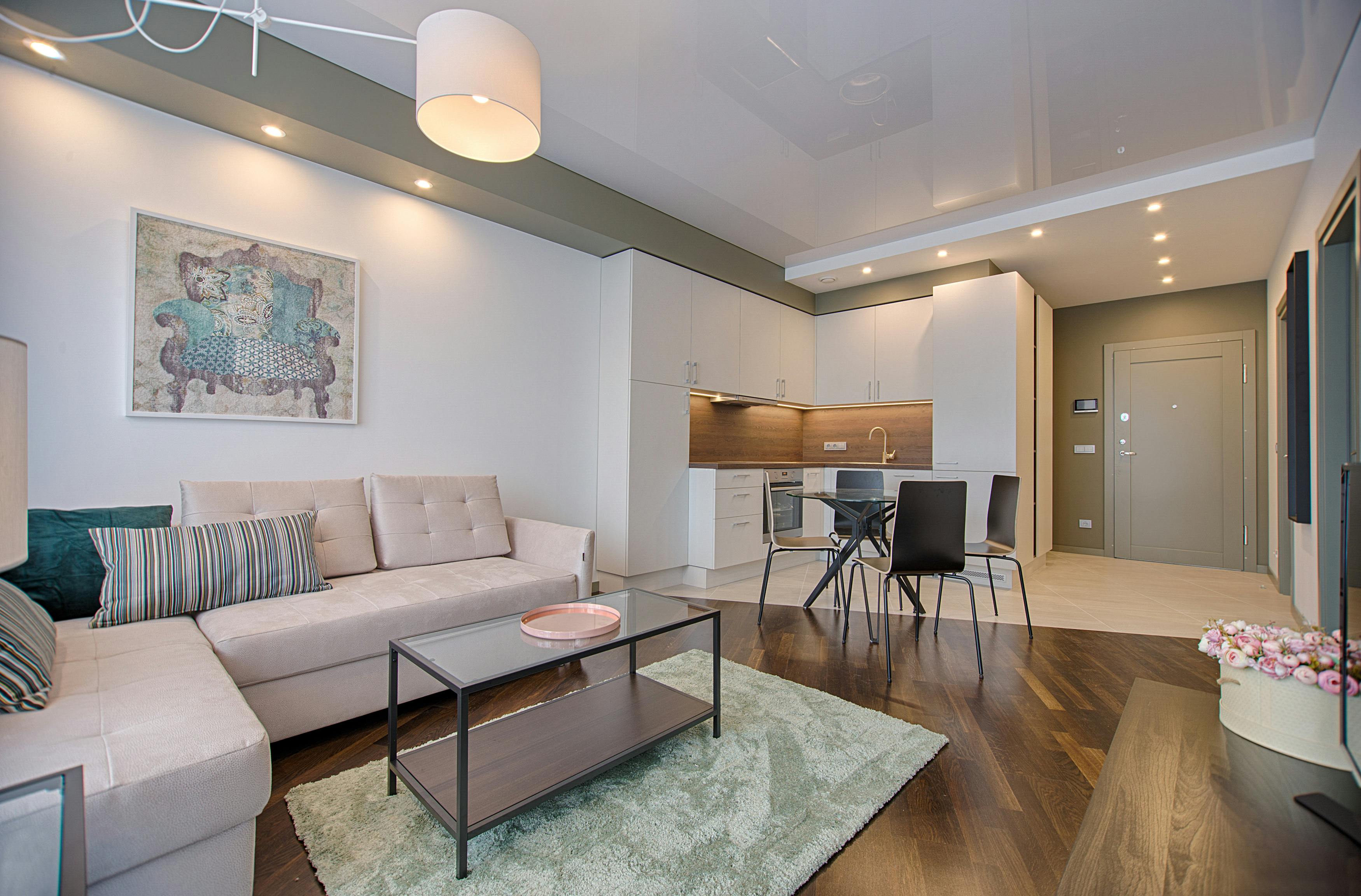
Image source: pexels.com
A neighbour recently transformed an ordinary living room into one of the warmest spaces I have ever seen, and surprisingly, the biggest change wasn’t the paint. Instead, she added a wooden coffee table, woven baskets, linen curtains, and a thick jute rug beneath a beige sofa. Those simple materials softened every black feature in the room and made everything feel more relaxed. That experience perfectly shows why texture matters just as much as colour. Bouclé cushions, wool throws, stone accessories, rattan furniture, and natural wood all help prevent black and beige interiors from looking flat. Even a few indoor plants can completely change the atmosphere by adding life without disrupting the neutral palette. If you enjoy cosy spaces inspired by nature, you’ll also love these Scandinavian living room ideas, where simple materials create comfort through thoughtful design rather than expensive decoration.
Choose the Right Lighting to Highlight Every Detail
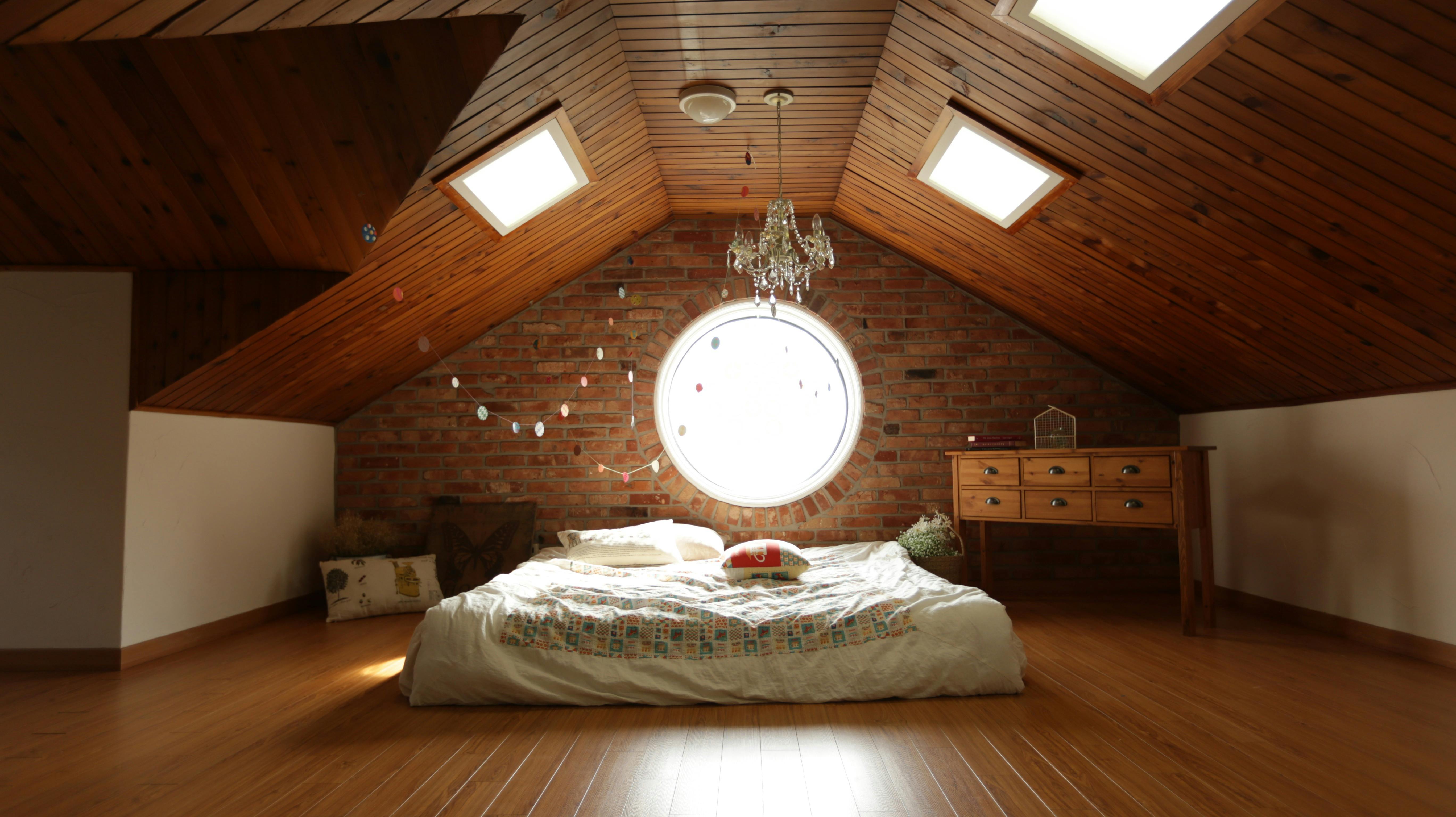
Image source: pexels.com
Lighting is often the finishing touch that decides whether a room feels cold or incredibly welcoming. Picture two identical living rooms painted in beige with black furniture. One uses cool white bulbs and feels flat, while the other glows with warm light that makes every texture appear softer and richer. That’s why many designers recommend warm white lighting between approximately 2700K and 3000K for living areas. Layering ceiling lights with table lamps, wall lights, and floor lamps also creates depth during the evening. Black pendant lights can become beautiful statement pieces, while brass finishes add warmth without competing with the neutral palette. Mirrors placed opposite windows help reflect daylight and reduce the visual weight of darker furniture. If you’re planning to upgrade your lighting, don’t miss our living room lighting ideas around your sofa for practical inspiration that works in homes of every size.
Create a Stylish Focal Point Without Overcrowding the Room
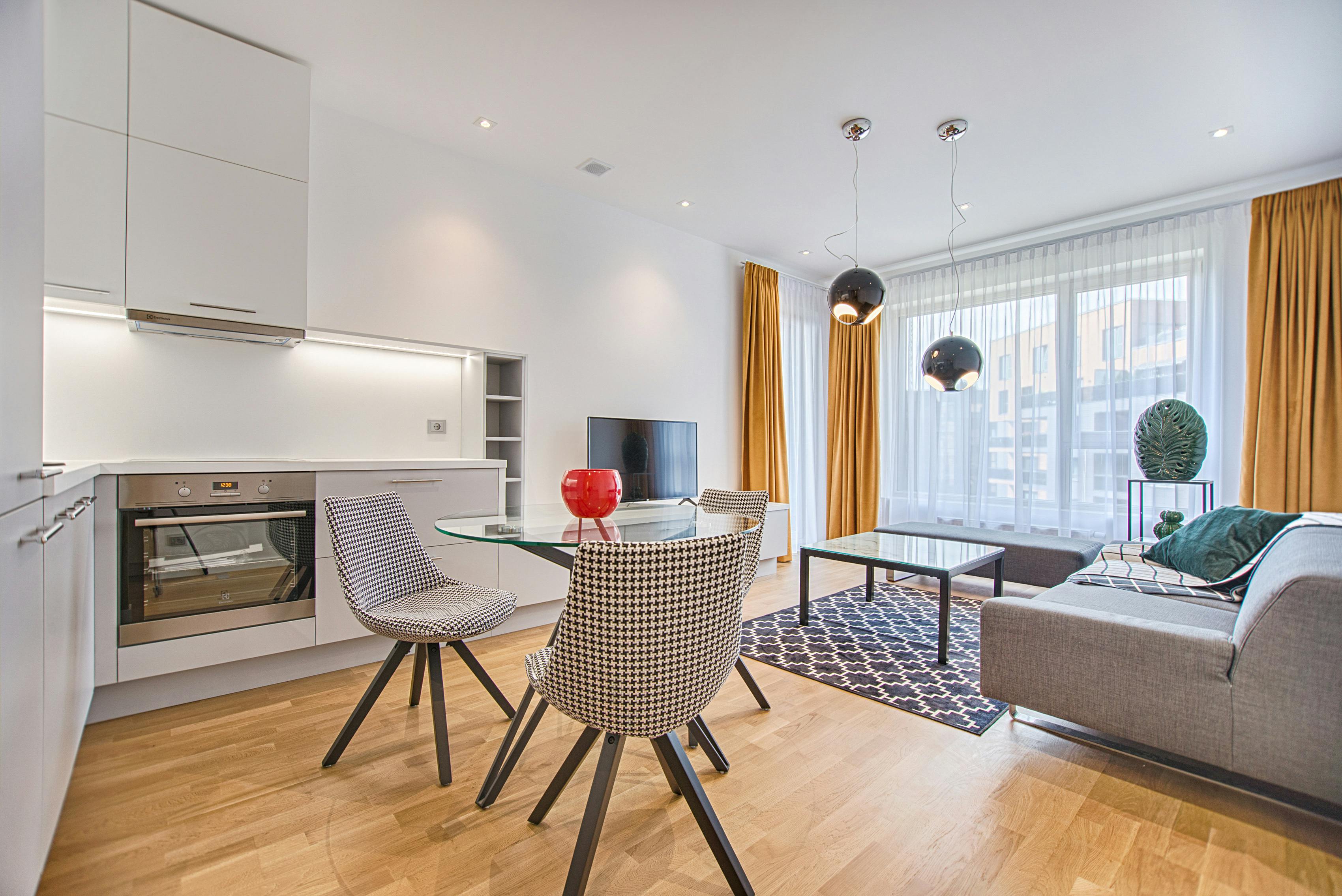
Image source: pexels.com
Every memorable living room has one feature that naturally catches your attention. In some homes it might be a striking black fireplace, while in others it could be a bold accent wall, built-in shelving, or an oversized piece of abstract artwork. The secret is choosing one hero feature instead of trying to make every corner stand out. When black is repeated through smaller details like picture frames, curtain rods, lighting, and furniture legs, the room feels connected without becoming overwhelming. Large mirrors and soft furnishings keep everything balanced, while greenery introduces a fresh touch that works beautifully against both black and beige. If you’re considering a darker feature wall, our collection of dark living room ideas shares more ways to create dramatic spaces that still feel bright, comfortable, and inviting for everyday family life.
Mix Furniture and Textures for a Home That Feels Lived In
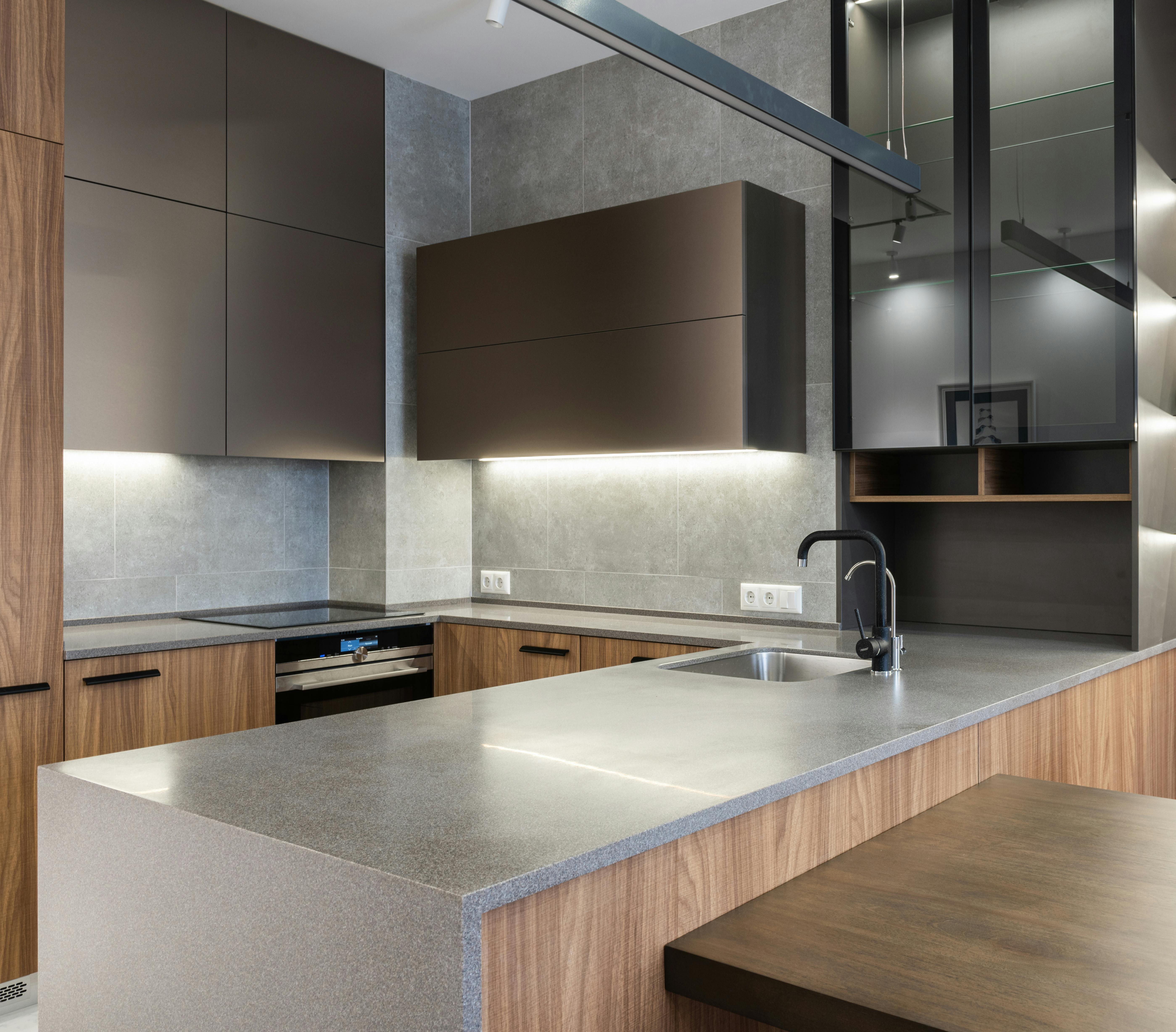
Image source: pexels.com
One of my friends bought an expensive black leather sofa because it looked stunning in a showroom. Once it arrived at home, the room suddenly felt cold and empty. Instead of replacing it, she added a chunky knit throw, soft beige cushions, a textured rug, and a wooden coffee table. Within a weekend, the entire atmosphere changed. That experience proves an important design lesson—furniture is only part of the story. Texture gives a room personality. Designers often combine linen, bouclé, velvet, wool, jute, and natural wood because each material reflects light differently and adds warmth to neutral interiors. Walnut furniture works especially well because its rich brown tones naturally connect black and beige. You can also introduce black through shelving, cabinet handles, side tables, or slim-framed chairs rather than relying on oversized furniture. If you’re planning to upgrade your furniture, explore our Living Room Furniture Buying Guide for practical tips before making a purchase.
Small Black Details Can Make the Biggest Difference
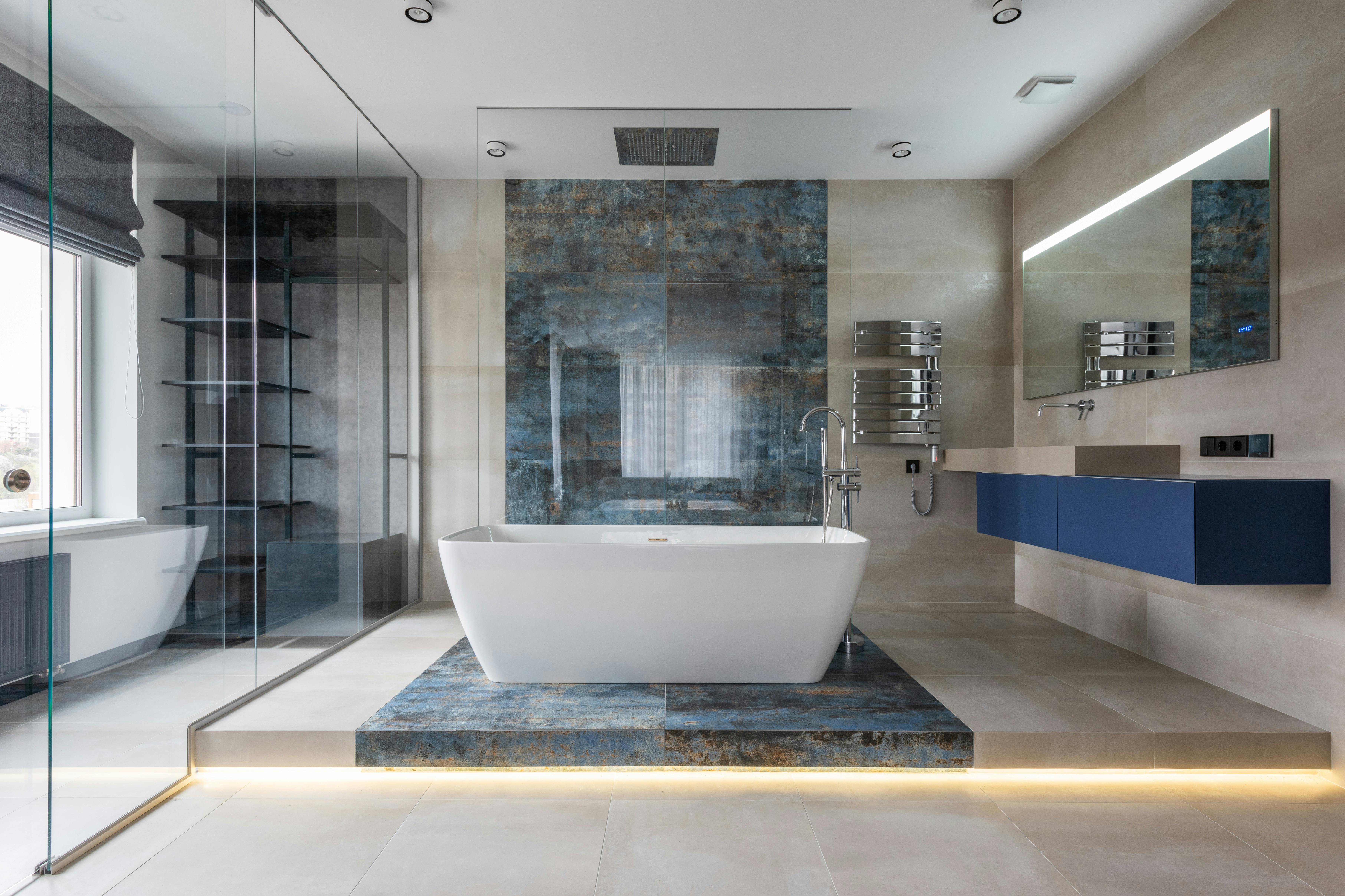
Image source: pexels.com
Many homeowners believe they need a black sofa or a dramatic feature wall to achieve a stylish look, but that’s rarely true. Sometimes the smallest details create the biggest impact. Imagine walking into a beige living room where black picture frames, curtain rods, floor lamps, and ceramic vases quietly repeat throughout the space. Nothing feels overpowering, yet everything looks professionally designed. This technique is one of the easiest ways to create visual balance without making the room appear dark. Adding indoor plants beside black accessories also softens the contrast while introducing colour naturally. Brass or gold accents can bring a gentle sense of luxury without competing with the neutral palette. If you enjoy clean and clutter-free interiors, you’ll find more inspiration in our Minimalist Living Room Ideas, where thoughtful decoration always matters more than filling every empty corner.
Popular Black and Beige Living Room Styles to Inspire Your Home
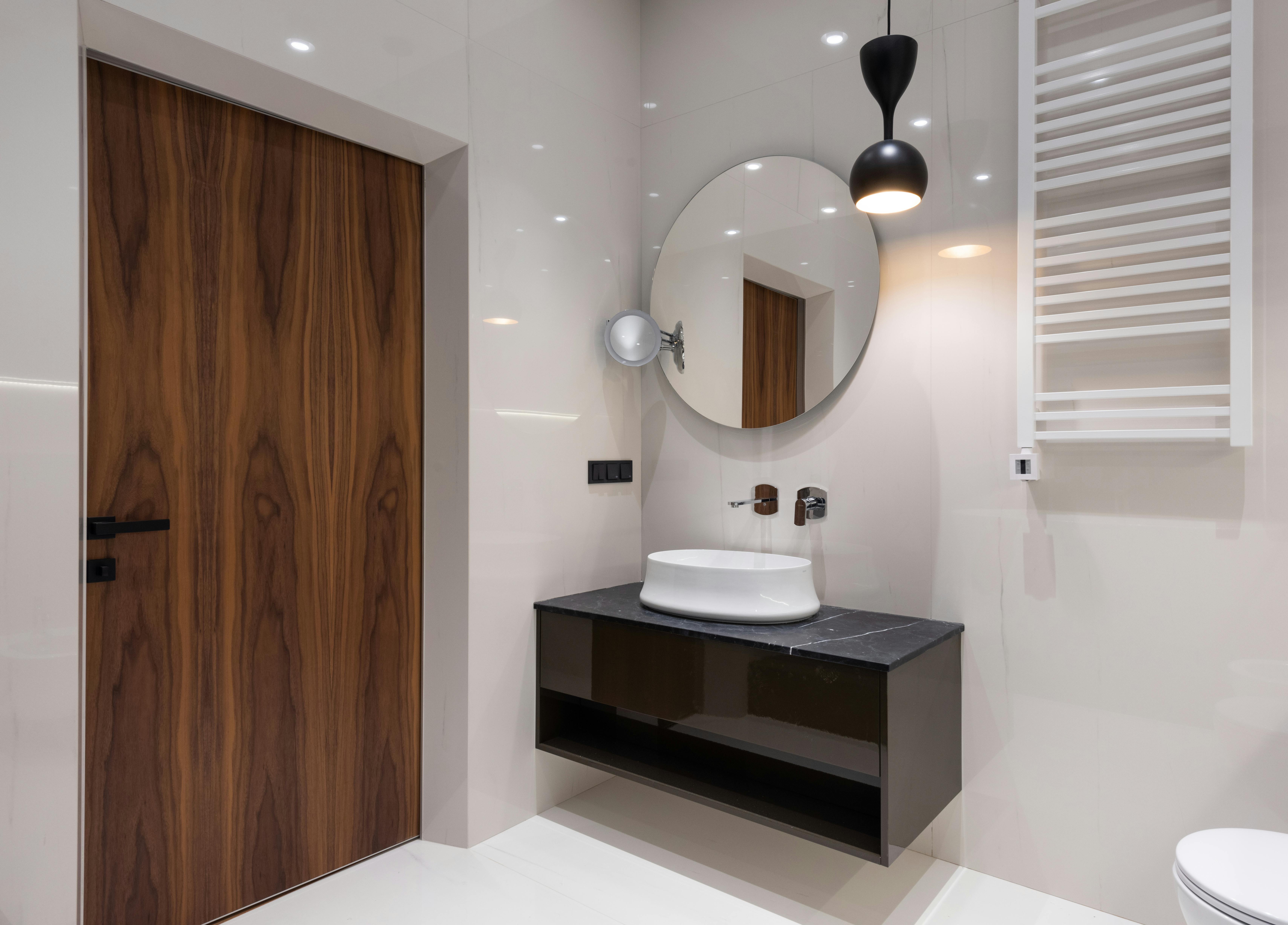
Image source: pexels.com
The beauty of black and beige living room ideas is that they fit almost every decorating style. A young couple may love the clean simplicity of Scandinavian design, while a growing family might prefer a cosy modern look with layered textures and soft lighting. If you enjoy sleek spaces, contemporary interiors combine black metal, glass, and minimal furniture for a sophisticated finish. Japandi design blends Japanese simplicity with Scandinavian comfort using natural wood and calming neutral colours. Industrial interiors introduce black steel, exposed brick, and wooden furniture, while modern farmhouse spaces soften black accents with warm fabrics and rustic textures. Even luxury homes use this timeless palette because it never feels outdated. Recent design trends also show that warm neutrals such as beige, taupe, and cream continue replacing cooler grey interiors, making this colour combination one of the safest long-term choices. For even more inspiration, browse our Modern Living Room Ideas collection.
Common Decorating Mistakes That Are Easy to Avoid
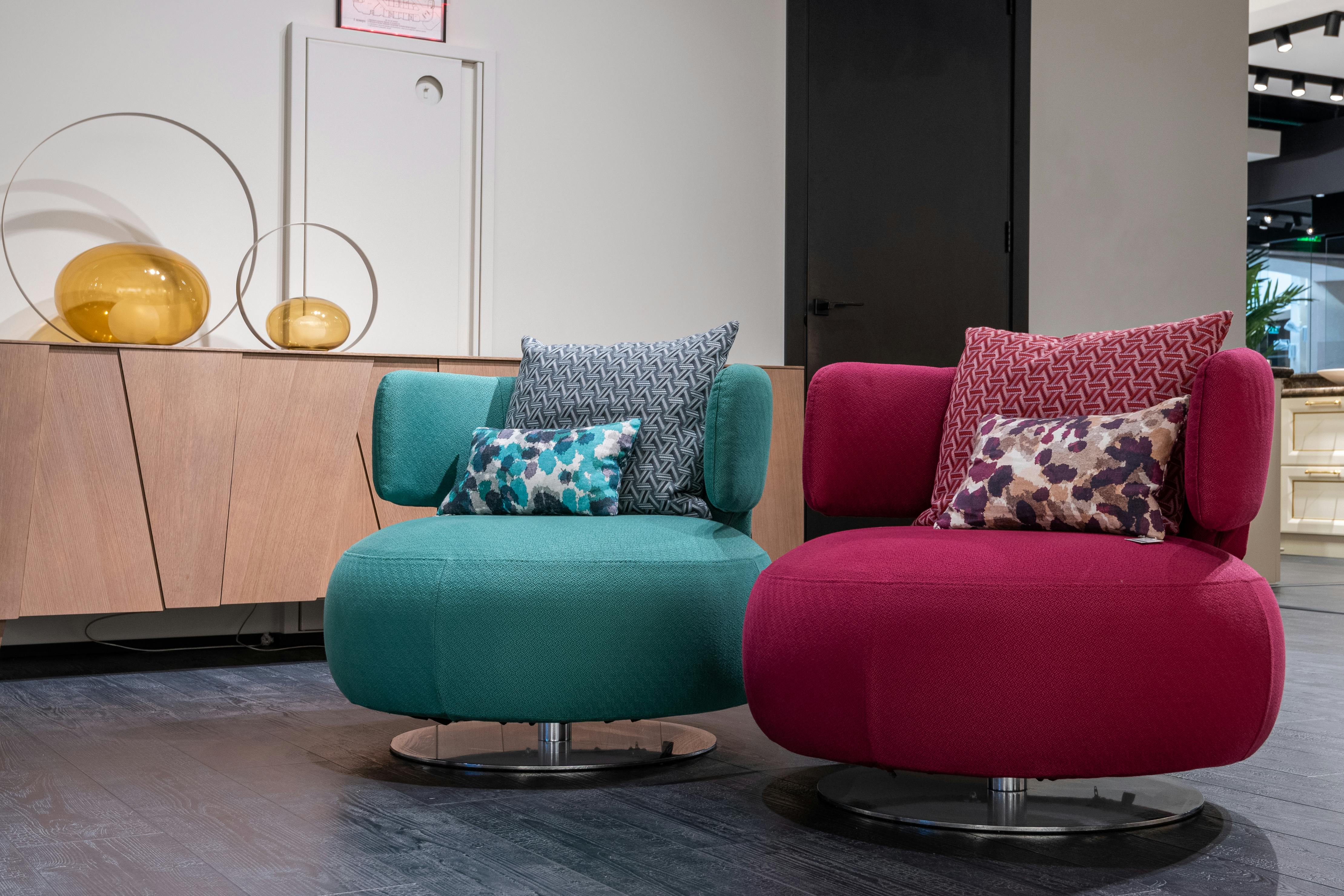
Image source: pexels.com
Almost every homeowner makes a few decorating mistakes during their first makeover, and that’s perfectly normal. One family painted an entire living room black because it looked amazing online, only to realise their north-facing room became darker than expected. They solved the problem by repainting most walls beige, adding mirrors, introducing lighter curtains, and keeping black only as an accent. The transformation was remarkable. Another common mistake is forgetting texture, which can leave neutral rooms looking flat. Using only one shade of beige also removes depth, so mix ivory, camel, sand, and taupe whenever possible. Avoid overcrowding shelves with decorations because clean surfaces help black accents stand out naturally. According to interior design experts, repeating black details across the room creates far better balance than placing one large black object in isolation. If you’re planning your furniture layout, our Living Room Layout Ideas guide can help you avoid costly mistakes.
Bringing Your Dream Living Room to Life

Image source: pexels.com
Creating a beautiful living room isn’t about buying the most expensive furniture or following every new trend. It’s about designing a space where you genuinely enjoy spending time with family and friends. Black and beige living room ideas continue to stand the test of time because they combine warmth, elegance, and flexibility in a way that few colour combinations can match. Whether you start with a cosy beige sofa, a dramatic black accent wall, or a few carefully chosen accessories, every small improvement brings your room one step closer to feeling complete. Remember to layer textures, introduce natural materials, use warm lighting, and allow your personality to shine through the details. The most beautiful homes are never copied perfectly from a magazine—they grow naturally over time. We hope this guide from Daily Lifestyle Guide helps you create a living room that feels welcoming today and remains stylish for many years to come.
Disclaimer:
This article is for informational and inspirational purposes only. Interior design trends, product availability, colour preferences, and market data may change over time. Statistics and design recommendations are based on publicly available industry sources and expert guidance available at the time of writing. Always consider your room size, lighting conditions, budget, and personal preferences before making decorating decisions.
Final Thoughts
The best homes are not created overnight. They grow one thoughtful choice at a time, whether it’s a comfortable beige sofa, a bold black accent wall, or a favourite wooden coffee table that tells its own story. The beauty of black and beige living room ideas is that they never feel out of place. They offer a timeless mix of warmth, elegance, and practicality that works for modern flats, family homes, and luxury interiors alike. Focus on creating a space that reflects your lifestyle rather than simply following trends. Layer natural textures, make the most of natural light, and don’t be afraid to add personal touches that make your living room feel truly yours. We hope this guide has inspired you to create a welcoming space where family and friends can relax, connect, and make lasting memories.
Author Bio
Daily Lifestyle Guide Editorial Team is a group of home improvement, interior design, and lifestyle writers dedicated to creating practical, well-researched, and easy-to-follow guides for UK readers. Every article is carefully researched using trusted industry sources, current design trends, and expert recommendations to help homeowners make informed decorating decisions. From modern living room inspiration to furniture buying advice and colour scheme ideas, the team focuses on delivering accurate, reader-friendly content that turns everyday homes into stylish and comfortable living spaces.
Frequently Asked Questions
What colours work best with black and beige in a living room?
Natural wood tones, white, ivory, taupe, olive green, brass, and soft grey all work beautifully with black and beige. These colours add warmth and variety while keeping the overall design balanced and elegant. Indoor plants are another simple way to introduce fresh colour without disrupting the neutral palette.
Is a black and beige living room suitable for small spaces?
Yes. Small living rooms can benefit from this colour combination when beige is used as the dominant shade and black appears only in furniture, lighting, or decorative accents. Mirrors and plenty of natural light also help the room feel larger and brighter.
How can I make a black and beige living room feel cosy?
Layer different textures such as bouclé cushions, wool throws, linen curtains, soft rugs, and wooden furniture. Warm white lighting and indoor plants also help create a comfortable atmosphere while preventing the black accents from feeling too bold.
Why are black and beige living room ideas so popular?
This timeless colour combination offers the perfect balance between warmth and sophistication. Beige creates a welcoming backdrop, while black adds contrast and structure. The palette also works well with modern, Scandinavian, Japandi, industrial, and contemporary interior styles.
What is the 60-30-10 decorating rule?
The 60-30-10 rule is a popular interior design guideline where 60% of the room uses the main colour, 30% uses a secondary colour, and the remaining 10% consists of accent colours or decorative details. For black and beige living rooms, beige usually becomes the dominant shade, black provides contrast, and wood, brass, or greenery completes the look.