
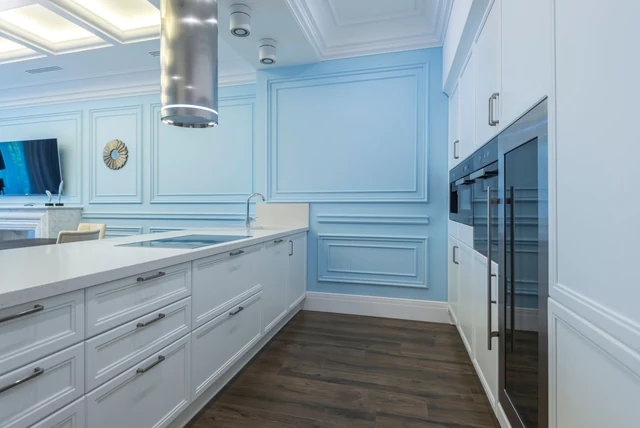

Duck egg blue is having a strange moment. Blue is the colour British kitchens are buying more of than any other right now, but the blue everyone is photographing is deep and inky, not soft and chalky. That leaves duck egg in an odd position: quietly excellent, and quietly out of fashion. If you are looking at duck egg blue kitchen ideas UK suppliers still offer in every range, it is worth knowing exactly what this shade does well, because it is not the same job that navy does.
| What it is | A pale, chalky blue with a soft green undertone |
|---|---|
| Current status | The classic soft blue; 2026’s blue trend leans deeper and inkier |
| Best rooms | North-facing and small kitchens that need brightness, not drama |
| Best partners | Warm cream, oak, limestone and off-white |
| Best metals | Brushed brass, aged brass and pewter |
| Biggest strength | It reads as light rather than as colour |
| Biggest mistake | Pairing it with brilliant white, which turns it cold and dated |
Duck Egg Is a Light, Not a Colour Statement
Duck Egg Is a Light, Not a Colour Statement
Image source: pexels.com
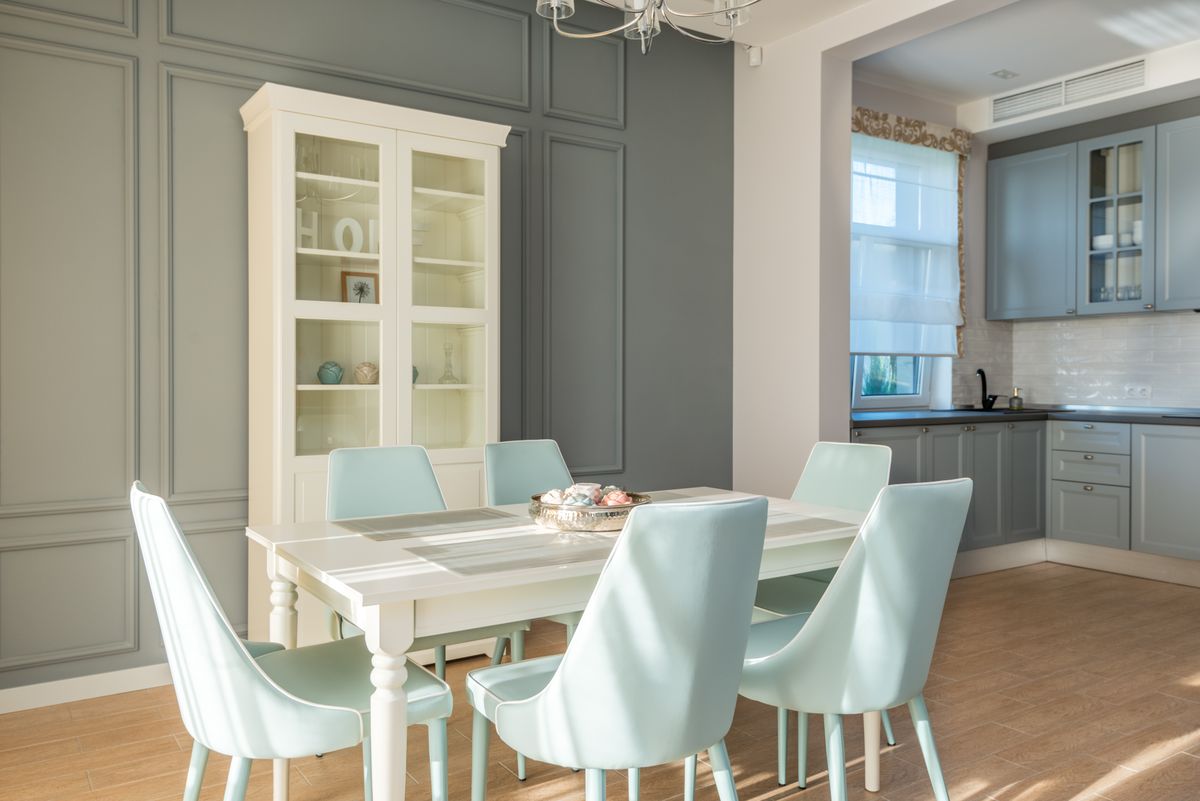
This is the thing to understand before anything else. Deep blues like Hague Blue behave as a feature: they pull the eye and they change the mood of a room. Duck egg does the opposite. It is pale enough that it functions almost like a tinted neutral, giving you colour without giving you contrast. In practice that means it reflects light around a room rather than absorbing it, which is why it has survived in British kitchens for decades while louder blues have come and gone. If you want people to walk in and notice the cabinets, this is the wrong shade. If you want the room to feel bigger and calmer, it is close to ideal.
Where It Sits in 2026
Where It Sits in 2026
Image source: pexels.com
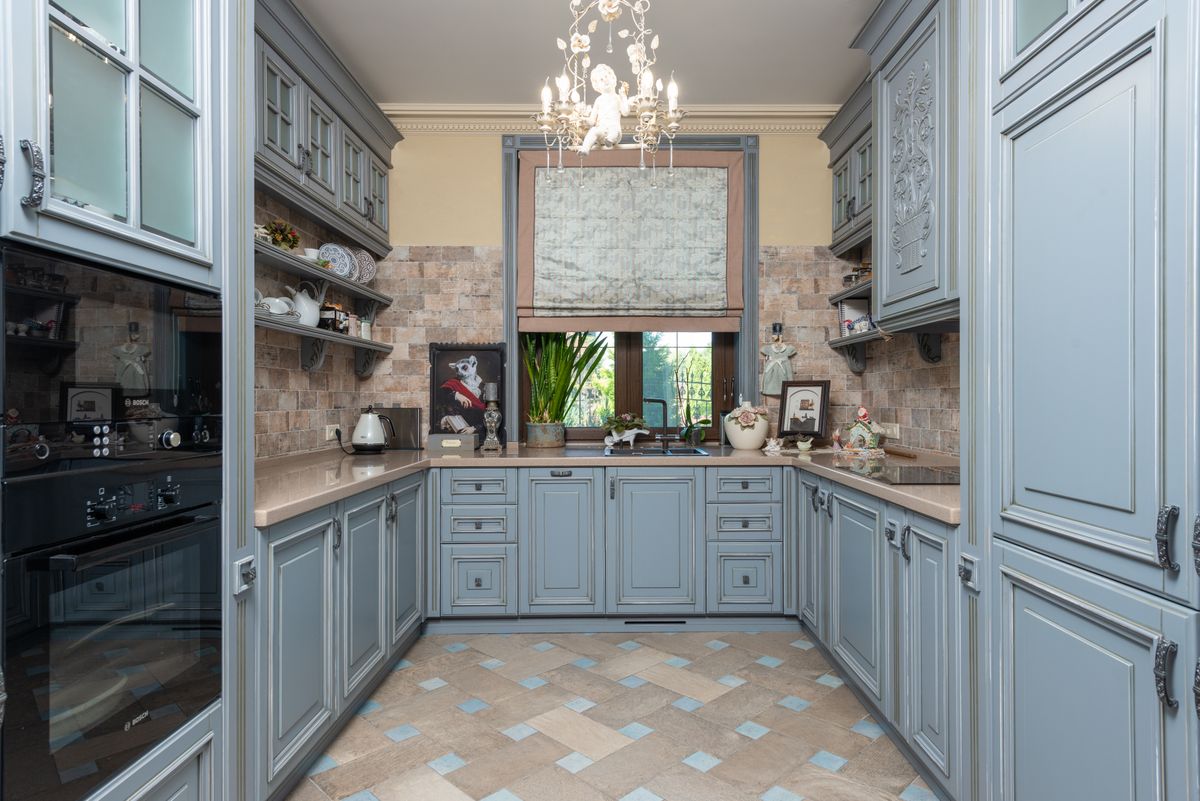
Honesty matters here. Blue is genuinely the growth colour in British kitchens, with one national kitchen maker reporting a 147% rise in blue sales in a single year, but the shades driving that are deep and confident rather than soft. Duck egg is not the trend-leading blue in 2026. What it is instead is the version that has never really dated, because a pale chalky blue with a green undertone has been in British homes since long before anyone was tracking kitchen trends. If you want the current look, navy blue kitchen ideas are where the momentum is. If you want something quieter that will not look of its moment in five years, duck egg is the safer bet.
It Earns Its Keep in a Dark Kitchen
It Earns Its Keep in a Dark Kitchen
Image source: pexels.com
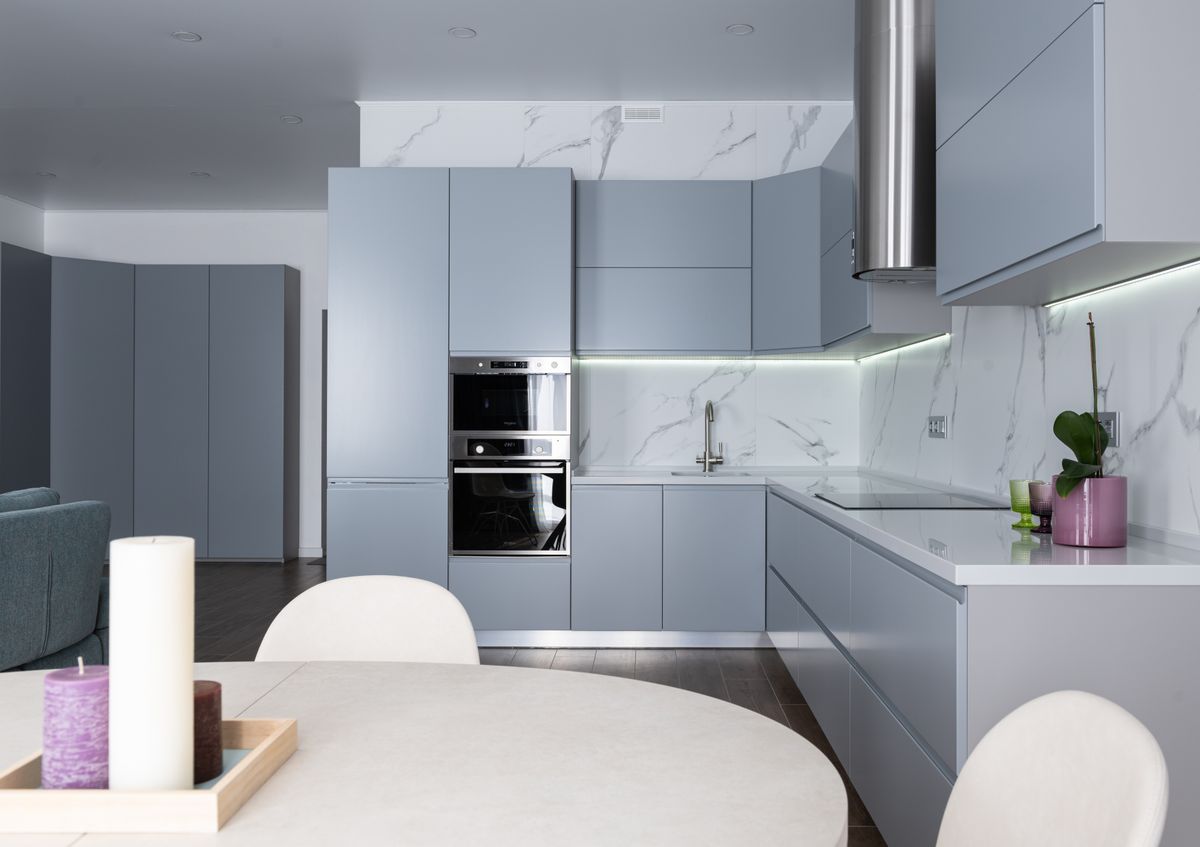
This is where duck egg genuinely beats the deeper blues. A north-facing kitchen already has cool, flat light and not much of it, and putting a dark colour in there makes a difficult room harder. Duck egg brings gentle brightness to exactly that situation. The green undertone stops it going grey and lifeless the way a pure pale blue can, and the shade shifts subtly through the day, which gives a low-light room some life. It is one of the few colours that improves a kitchen most people would default to painting white, and it does it without making the room feel clinical.
Warm Whites, Never Brilliant White
Warm Whites, Never Brilliant White
Image source: pexels.com
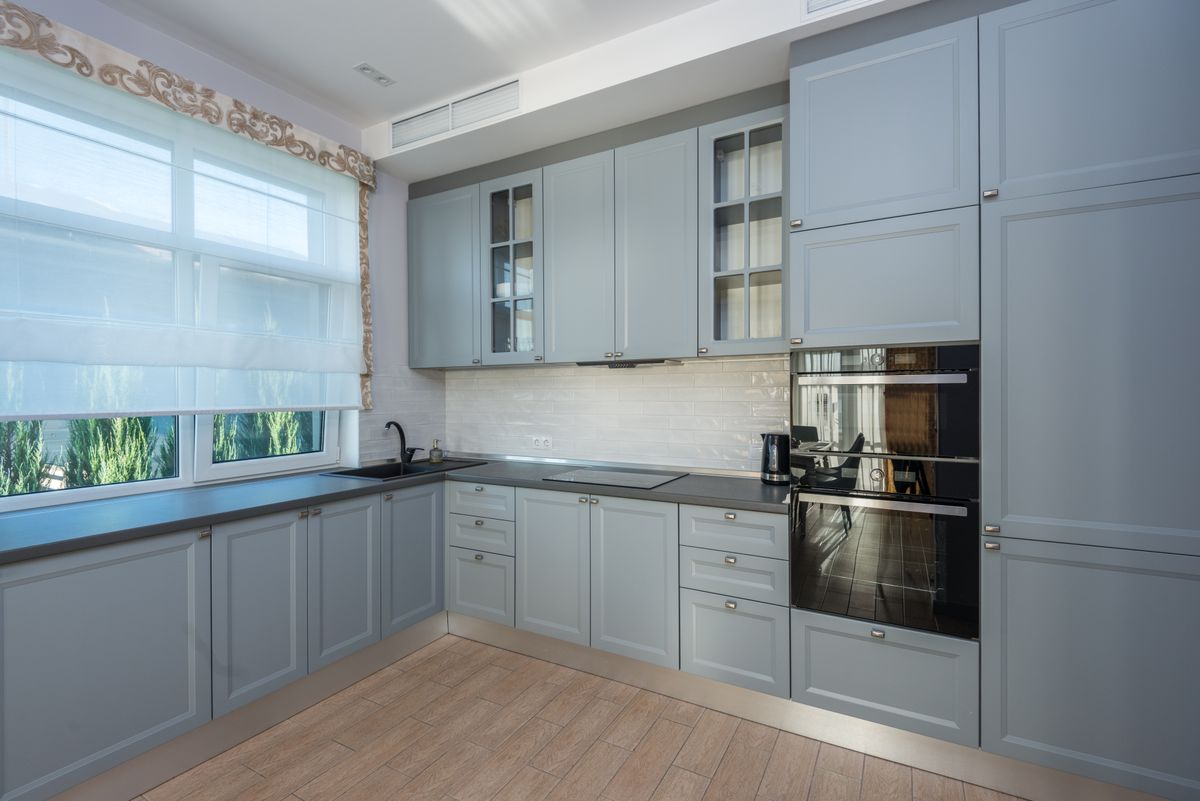
The single most common mistake with duck egg is pairing it with a bright, cold white. Duck egg is a soft, chalky colour, and putting a hard white next to it makes the blue look washed out and slightly grubby rather than gentle. Warm cream, oat and soft off-white are the right company, because they meet the chalkiness halfway. This is the same principle that makes ivory kitchen ideas work where brilliant white fails. If you are painting walls around duck egg cabinets, go warmer than you think you need to.
Worktops: Wood, Limestone and What to Avoid
Worktops: Wood, Limestone and What to Avoid
Image source: pexels.com
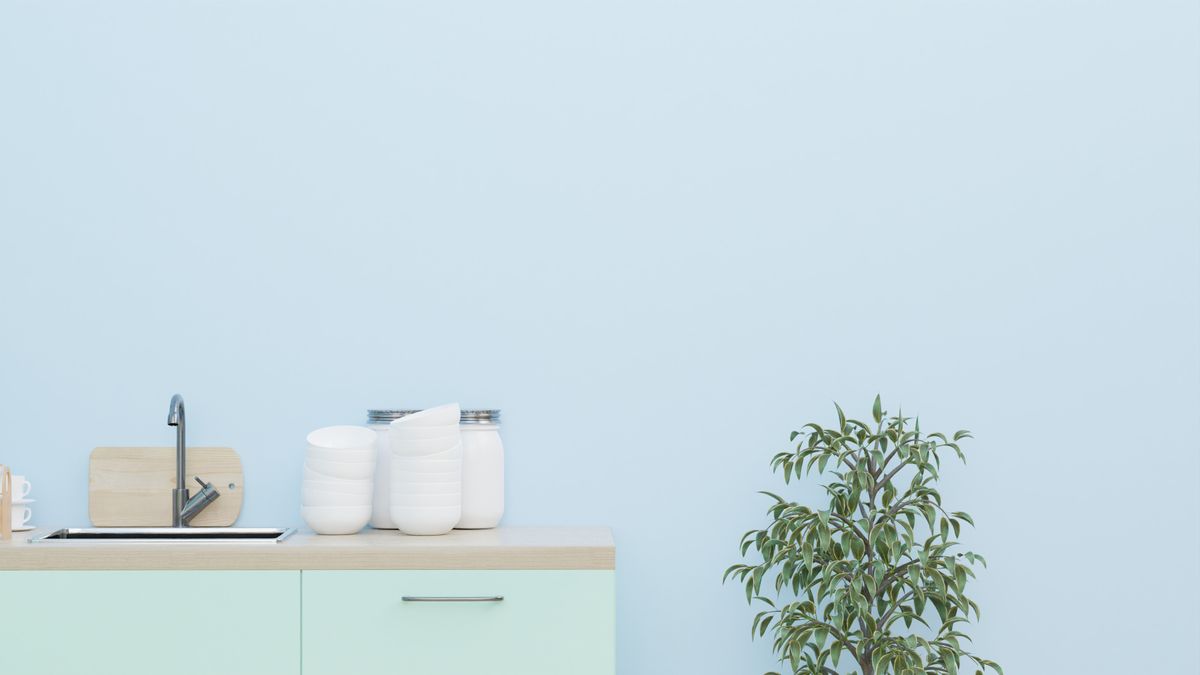
Duck egg has a green undertone, which makes natural materials the obvious partners. Oak is the classic answer and the pairing most British kitchens reach for, because the warmth of the timber balances the coolness of the blue. Limestone and pale stone give a softer, almost coastal result. Cream or biscuit quartz keeps a small room bright without going cold. What tends not to work is a dark grey or black granite, which is far heavier than the cabinets and leaves the kitchen looking bottom-weighted. Duck egg is a light colour and it wants a worktop that agrees with it rather than one that fights for attention.
Metals and Handles
Metals and Handles
Image source: pexels.com
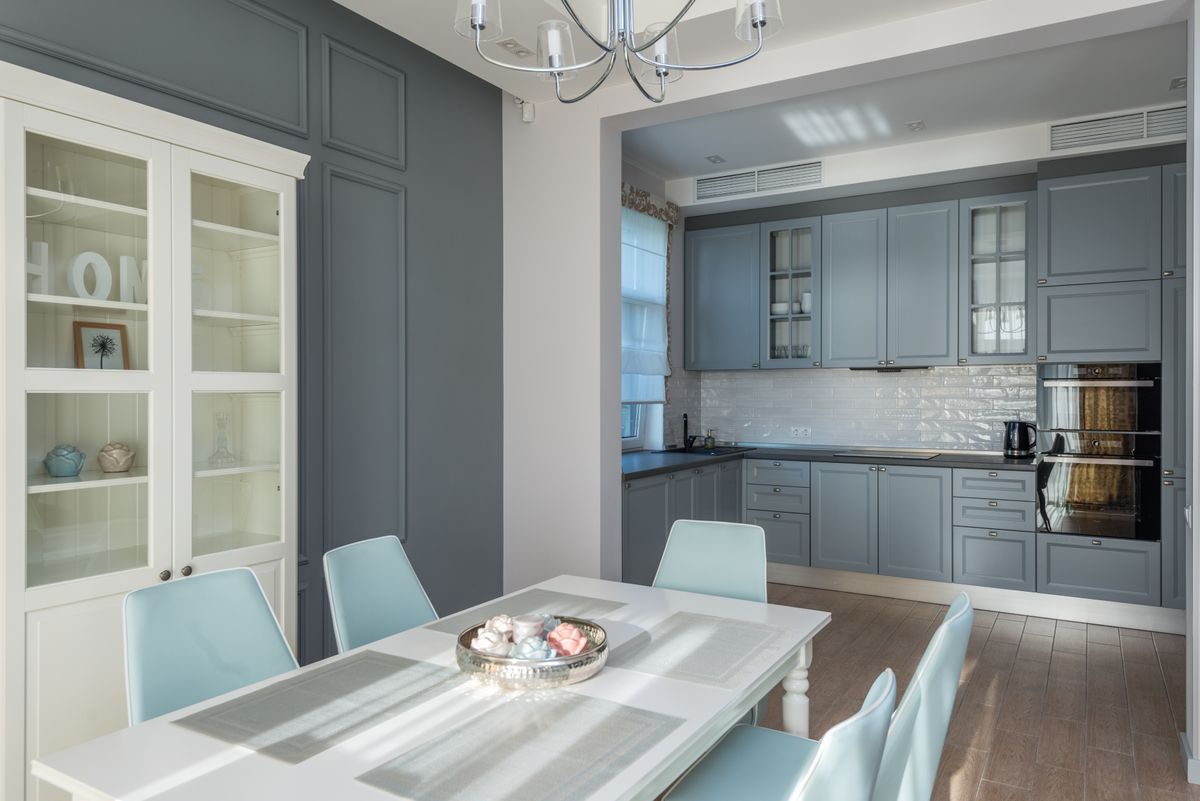
Brass is the right instinct here, and specifically brushed or aged brass rather than bright polished gold. The warmth of the brass against the cool green-blue is the pairing that makes duck egg look considered rather than dated, and it is what separates a 2026 duck egg kitchen from a 2008 one. Pewter and antique nickel work beautifully too and suit a period property. Bright chrome is not wrong, but it is the most anonymous option and it flattens the scheme. If you want the warmth carried through to the tap, bronze kitchen taps sit comfortably with this shade.
Duck Egg in a Small Kitchen
A small kitchen is where this colour makes the most sense, and unusually you can use it everywhere rather than rationing it. Because duck egg is pale, wall-to-wall coverage does not close a room in the way a deep colour would, and a single continuous soft colour actually makes a compact kitchen read as larger than a scheme broken up into contrasting blocks. Keep the worktop light, keep the splashback simple, and let the colour run. This is the opposite of the advice for navy or burgundy, and it is the practical reason duck egg is still specified so often in flats and terraces. Pale units show clutter more than dark ones do, so getting the kitchen storage right matters here.
Shaker, Flat or Panelled
Duck egg belongs on a door with some shape to it. A shaker frame or a panelled door catches light unevenly and lets the chalky quality of the colour come through, which is the entire appeal. On a completely flat slab door the colour can look slightly flat and plasticky, particularly in a satin finish. Matt is the sensible default; gloss pushes duck egg towards a bathroom blue and loses the soft chalkiness. If you have a period property, a traditional in-frame kitchen in duck egg is about as safe an aesthetic decision as it is possible to make.
Bringing In a Second Colour
Duck egg is gentle enough that it can share a room, which is not true of the deeper blues. The two-tone approach that suits it best is duck egg on the base units with cream or off-white above, which keeps the eye level bright. A natural timber island alongside duck egg perimeter units works particularly well. If you want something bolder, a deep green sits happily beside it because they share a green undertone, though that is a decision for a larger kitchen. What to avoid is another cool pastel, which turns the whole room into a nursery.
Floors, Splashbacks and Finishing
Warm timber flooring is the natural partner and stops the scheme drifting cold. Stone flags and terracotta-toned tiles both work in a period kitchen and add warmth from below. For splashbacks, a simple white or cream metro tile is the safe answer, while a handmade-look tile in a warm off-white adds texture without adding another colour. Open shelving in oak suits this shade particularly well. And because duck egg is quiet, it takes accessories better than a strong colour does, so this is a kitchen where plants, ceramics and timber boards genuinely improve the room rather than clutter it.
Is It Dated?
It depends entirely on what you pair it with. Duck egg cabinets with cold brilliant white walls, chrome handles and a grey granite worktop will look like a 2010 showroom, and that combination is the reason the shade acquired a slightly tired reputation. The same cabinets with warm cream walls, oak worktops and brushed brass handles look current and will keep looking reasonable for a long time. The colour is not the problem; the supporting cast is. That is genuinely good news, because walls, handles and worktops are all easier to change than a full set of doors.
Final Thoughts
Duck egg blue is not the blue that will get your kitchen photographed in 2026, and it is worth being clear about that. What it does instead is make a dark room brighter, a small room bigger and a period house look like itself. Pair it with warm cream rather than brilliant white, oak or limestone rather than dark granite, and brushed brass rather than chrome. Do that and duck egg blue kitchen ideas age far better than most of the colours currently ahead of them.
Frequently Asked Questions
What colour is duck egg blue?
A pale, chalky blue with a soft green undertone. That green is what stops it looking cold and separates it from a plain pastel blue.
Is duck egg blue still in style for kitchens?
It is a classic rather than a current trend. Blue is growing strongly in UK kitchens for 2026, but the fashionable shades are deeper and inkier.
What colours go with a duck egg blue kitchen?
Warm cream, oat and off-white, plus oak and limestone. Avoid brilliant white, which makes the blue look washed out.
What worktop suits duck egg blue units?
Oak is the classic choice, with limestone or cream quartz as alternatives. Dark granite is usually too heavy for such a pale cabinet colour.
Does duck egg blue work in a small kitchen?
Yes, and it is one of the few colours you can use across the whole room. Being pale, it makes a compact kitchen feel larger rather than smaller.
What handles look best with duck egg blue?
Brushed or aged brass is the pairing that keeps it looking current. Pewter and antique nickel suit period kitchens; bright chrome flattens the scheme.
Disclaimer
This article is for general information only. Colour appearance varies with lighting, room aspect and finish, so always order sample doors and view them in your own kitchen before ordering. Product specifications and availability change over time.